
When Did We All Forget To Have Fun?
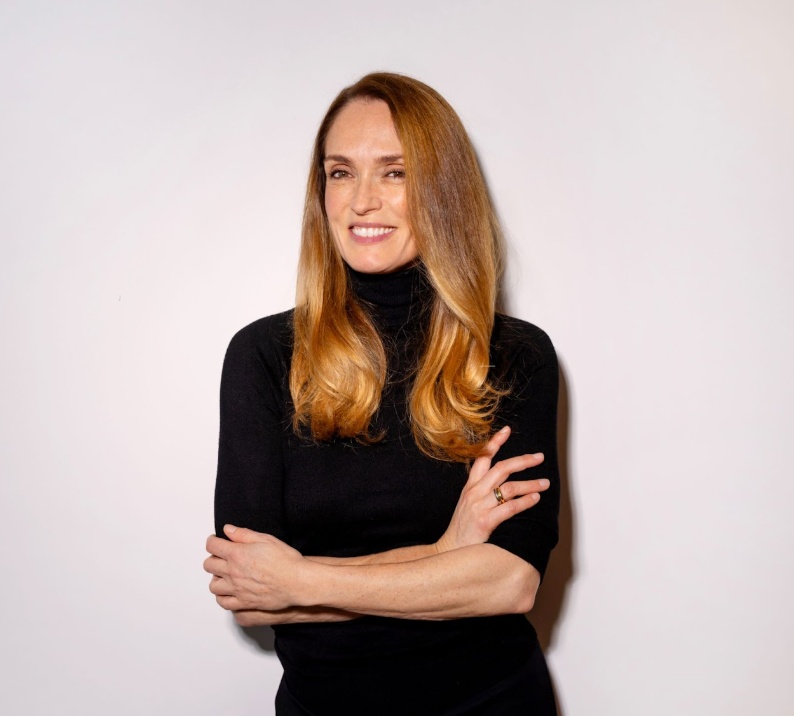
If fun isn’t on your 2026 moodboard, coach, writer, and founder of The Ascent Associates Jo Glynn-Smith shares why it might be time to reconsider.
https://xgto0n9mfn.ufs.sh/f/OjaR0IRNELV9ZEmyqwv1tNBgP587pmMSxi4qoyTCn9vEVsFl
One of the questions I often ask my clients to reflect on is "what would I have found the eight-year-old version of you doing for fun?" It’s a good one, so think about it now as you read this. The answers are usually effortless for most people to come up with: performing, drawing, roller-skating, dressing up, baking, reading, and so on. Mine is easy, I loved making things. Whether it was outfits for my dolls, jumpers for my teddies, or tie-dye scarves for my mum, I would get lost in the creativity for hours. It’s no surprise that I went on to work in the fashion industry for 20 years before becoming a leadership coach four years ago.
The next question I follow up with is "so what do you do for fun now?" And here it all becomes a bit trickier. Most people can’t remember the last time they really had fun.
Now I know that we’re rolling off the back of the holiday season here, which is traditionally when we should all be having fun (feel free to disagree), but it really shouldn’t be something that we only do once a year, it should be part of our daily lives, as it was when we were children. We literally lived for fun!
According to research, having fun, whether it be with a hobby, a social activity, or even volunteering, reduces stress, improves wellbeing, boosts mental health, and strengthens relationships. It’s a critical ingredient in our overall happiness, but I bet not many of us listed “having more fun” as one of our New Year’s resolutions. Instead, we create lists of challenges: things to achieve, difficulties to overcome, habits to build, goals to reach. More work for our already overwhelmed selves, pinned to high expectations, driven by social comparisons, and anchored in that holy grail — success.
I find it sad that we have become a society that celebrates being too busy and idolises “pulling an all-nighter,” that gets up to train at 4am (!!), and promotes a side hustle (a whole other job) as the norm. If that’s what success looks like, then no wonder there’s no time for fun.
Now, I’m not saying I’m perfect. I have a job I love so much it really doesn’t feel like work, which means I could work all the time. But because of my work, I have a rather different perspective on success, and on how fun plays a huge part. The leaders I work with recognise that making time for fun isn’t just a “nice to have,” it is a strategic power move that pays back dividends.
Happier people have more energy, manage better under pressure, are more optimistic, more resilient, more creative, and people like being around them. It’s a win-win.
So, if fun is the name of the game, where do we start? Let’s revisit the question I put to you at the beginning: what would the eight-year-old version of you do for fun? That often gives us some indication of the type of person you are at your core. From there, try to think of the fun times you’ve had in the past year or so. What were you doing? Who were you with? Start building a picture of what fun looks like to you. We’re all different, so try to avoid comparing yourself to anyone else.
Once you have that information, think about how you could plan more of it into your day, week, or month, whatever feels natural. Then make a commitment to follow through; you may want to buddy with a friend for accountability. And finally, record your fun moments so that you can reflect on how they made you feel and how they impacted your performance.
And let’s ensure fun is top of the list for 2026!
No items found.



.png)
.png)