Folk, Feeling and the Human Touch: Chemena Kamali On The Importance Of Fashion
"This collection is an ode to those gestures of care. It is both a return and a renewal — an invitation to see fashion not as escape, but as connection," Chloé's Creative Director Chemena Kamali.
.webp)

"This sense of humanity, community spirit and empathy feels essential right now; it is what I want this collection to express," writes Chemena Kamali of her Chloé Autumn/Winter 26 collection. A particularly apt statement given that the headlines on show day consisted of the words "missile", "drone attack" and "war". In times like these, it's hard to find the importance of fashion and the industry as a whole. And nowhere was that feeling stronger than at Paris Fashion Week in March, where the backdrop of models, makeup and catching up with friends felt incredibly far removed from the events unfolding on the other side of the world.
So I asked: how were people actually feeling about talking fashion right now? Some told me it offered escapism. Horrendous things happen across the globe every day, and fashion, much like art and music, offers light against the darkness. With minimal mention of current events across most runways, events and catch-ups, the show-must-go-on narrative was running particularly strong. Though not for Chemena Kamali, who used the tension to remind us where the industry's true importance lies.
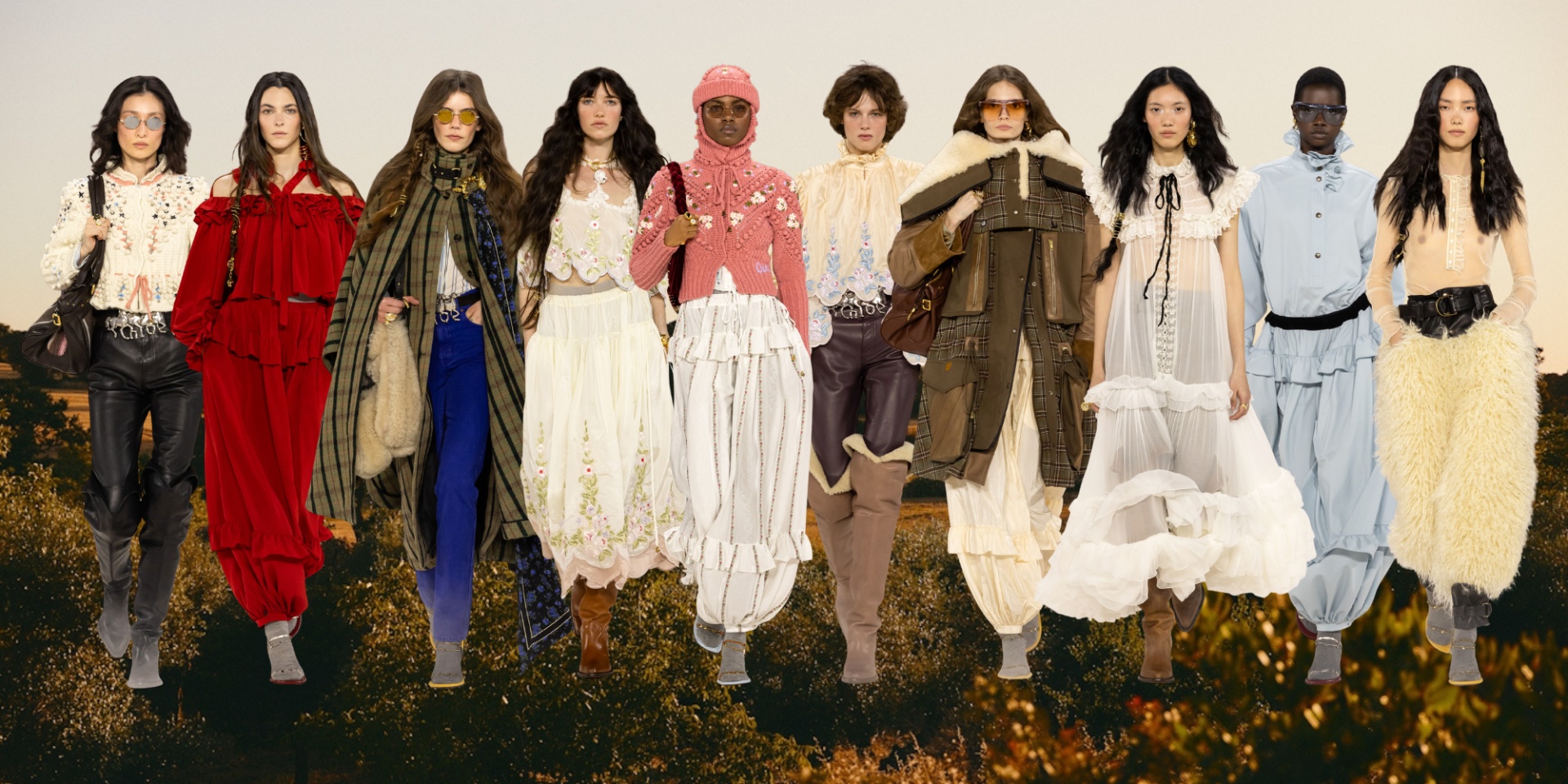
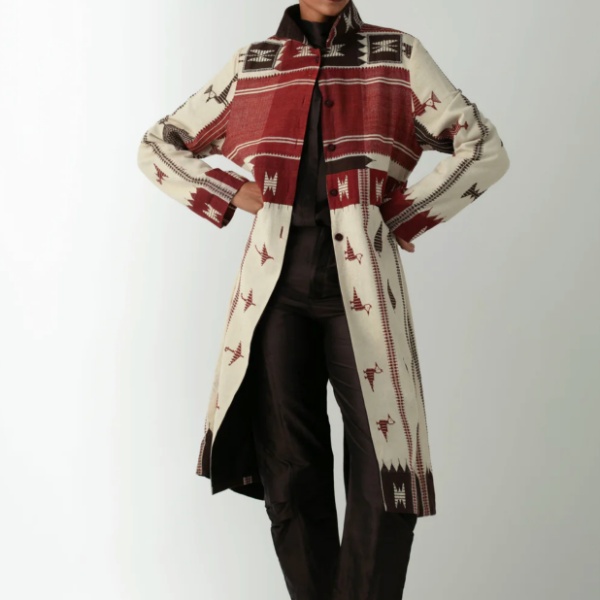
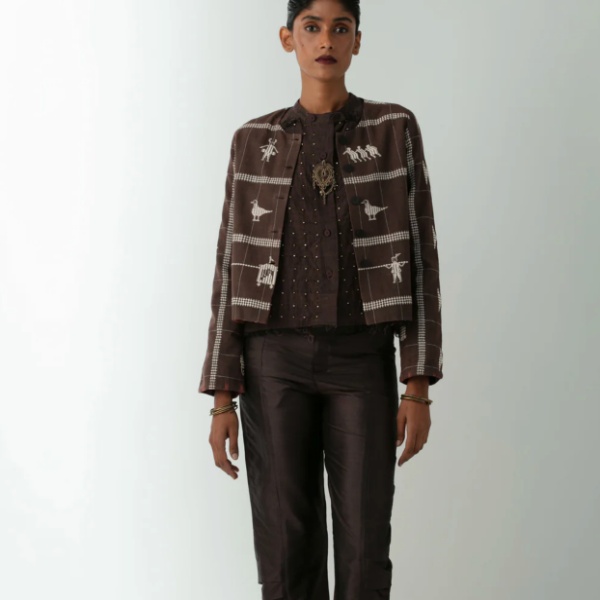
"This season has been a reflection on humanity, empathy and devotion — on how clothing can both hold emotion, and carry memory. In a world that often feels mechanised and accelerated, I felt drawn back to the essence of making; the human touch, the spirit of community, connection and shared values," she continues in the show notes. "What moved me most about these garments is not only their beauty but also to feel how much effort and time was put into them. Every embroidery, knitted thread and printed motif reveals both the maker's hand and their devotion. They were never identical, they had unique irregularities that made them feel human. They were shaped by the skill and stories of those who created them."
.png)
While collections are planned months in advance, Kamali's words, though particularly resonant right now, speak to the more general fast-paced and disconnected state of the modern world. Drawing on traditional costume and folkloric craft, she took the opportunity to reaffirm the real meaning behind clothing and what it can convey.
"It's about exploring what folk means — all that is shared within a community. The stories, beliefs, rituals and techniques. Folk, for me, is about togetherness. It is about empathy, humanity, and a connection to the past — the symbolic and spiritual threads that bind people together," she adds. Togetherness, empathy, humanity and connection: the words feel less like show notes and more like a quiet reminder of what actually matters right now.
From handcrafted hats and knitted cardigans to delicately finished lace blouses, touch is the throughline, and an element that's increasingly hard to find in a world of fast fashion and mass-manufactured pieces. As Kamali puts it, "The irregularities that reveal human care more than machined perfection. There is always a trace of something symbolic — a motif or technique, a talismanic detail, something spiritual. To me, this is a path to feeling more human, more connected."
Fashion is not an escape but an opportunity for connection. As closing statements go, this one puts the industry in a much more meaningful position than may at first come to mind.
No items found.

.png)
.png)