When I started spending time in Odisha, my ancestral home in eastern India, I was trying to understand how craft survives without spectacle. What I found was not an industry. It was a way of living.
One of the first moments that shifted something in me happened in the Bonda region. As I was noting down the names of the people I was meeting, and sharing meals with, I realised that three women in the same group carried the exact same name: Manguli. In the Bonda community, children are named after the day of the week they are born. Manguli means Tuesday. So there can be many Mangulis in one village.
There is no anxiety about uniqueness. No urgency to stand out. Identity there is not constructed in isolation; it is held by the community. You do not need a rare name when you are certain no one will let you fall through the cracks. That quiet confidence in belonging stayed with me.
In many villages across Odisha, farming comes first. Weaving happens alongside it, sometimes as livelihood, sometimes as self-sustenance. When you grow your own food, making your own cloth feels like a natural extension of that logic. Time is invested in land and in relationships. Productivity is not measured only in currency.
I remember visiting a household in Kotpad where the loom sat a few feet from sacks of harvested grain. The same hands that had worked the fields earlier in the day were now passing a shuttle through warp threads. There was no separation between art and survival.
Geographically, there is not much movement between communities. Families often stay rooted to one landscape for generations, and because of that, the work remains unadulterated. Motifs are not diluted by trend cycles. Colours are not adjusted to suit distant markets. The absence of constant travel, packaging and large-scale distribution makes this life, unintentionally, deeply sustainable.
There is also a different hierarchy of priorities. Local festivals, weddings, harvest celebrations: these always come first. I have seen looms fall silent for days because a village is celebrating. No one calculates the income lost. There is an evolved clarity here: life events are not interruptions to work; they are the point of it. The idea of chasing something material at the cost of presence feels misplaced.
The mountain-dwelling Dongria Kondh community taught me another dimension of this clarity. Their decade-long resistance against a mining corporation seeking bauxite from their sacred hills went all the way to the Supreme Court of India. They won. Their stand was never about higher compensation; it was about refusing to let the land be disturbed. They did not want the money. They wanted to protect what had always protected them.
In their temples, the mountains they inhabit are painted onto the walls. Seeds are worshipped as givers of birth and food. The relationship between land, deity and daily life is seamless. Craft emerges from that worldview. It is not decorative. It is devotional.
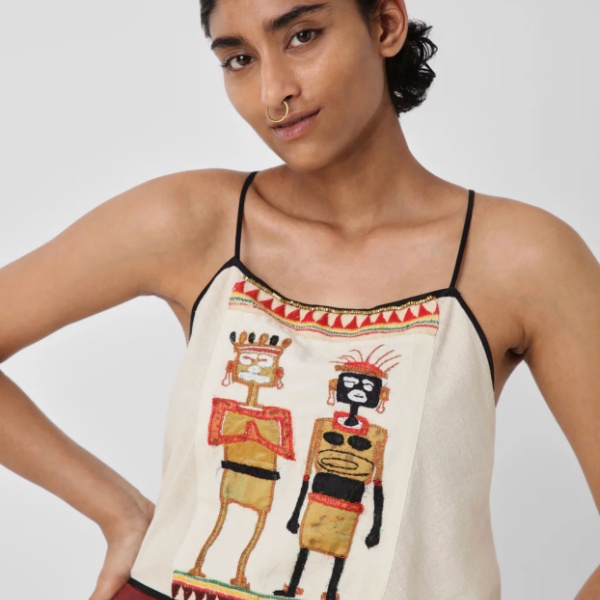
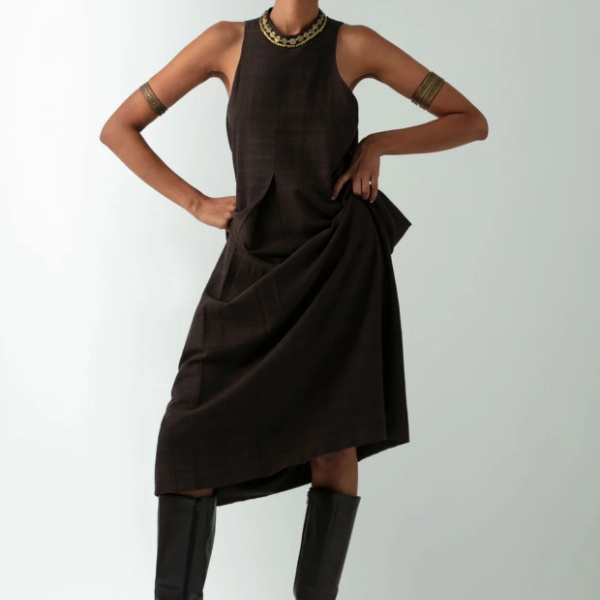
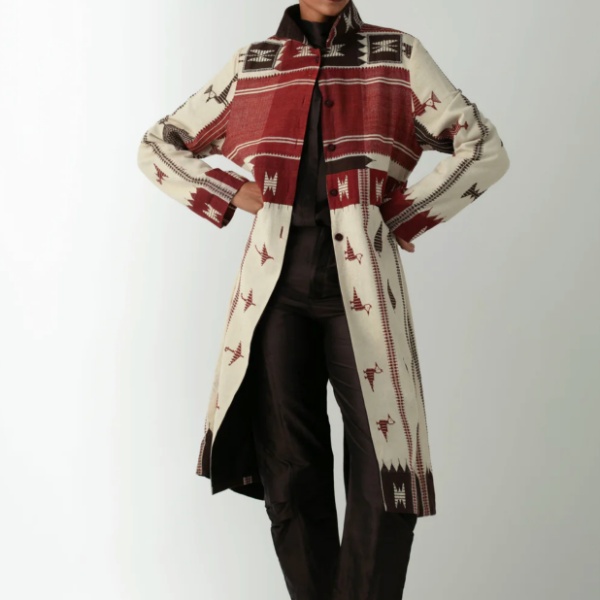
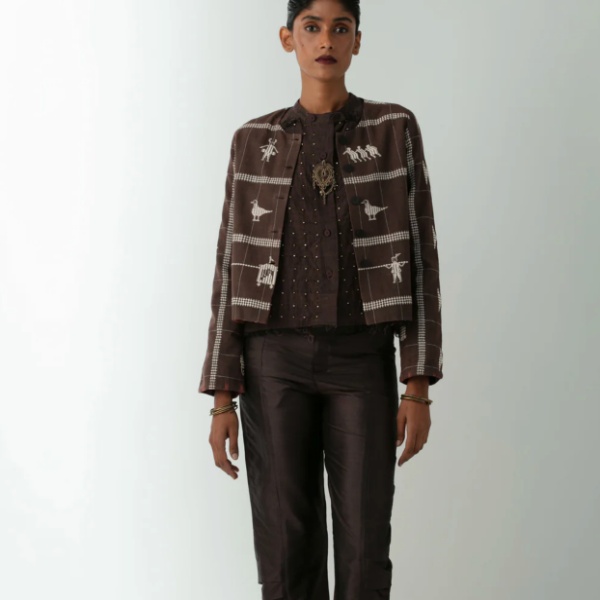
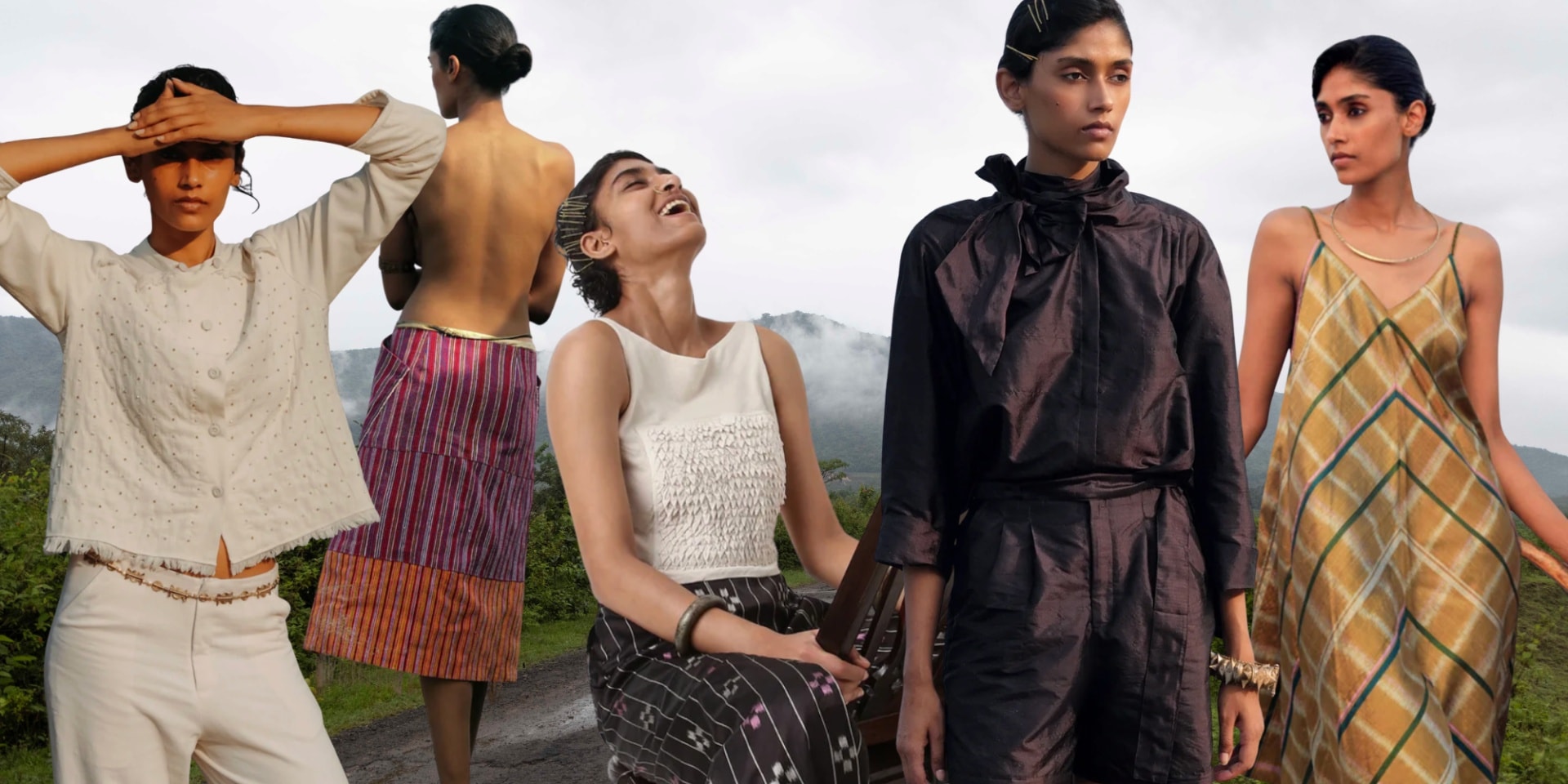
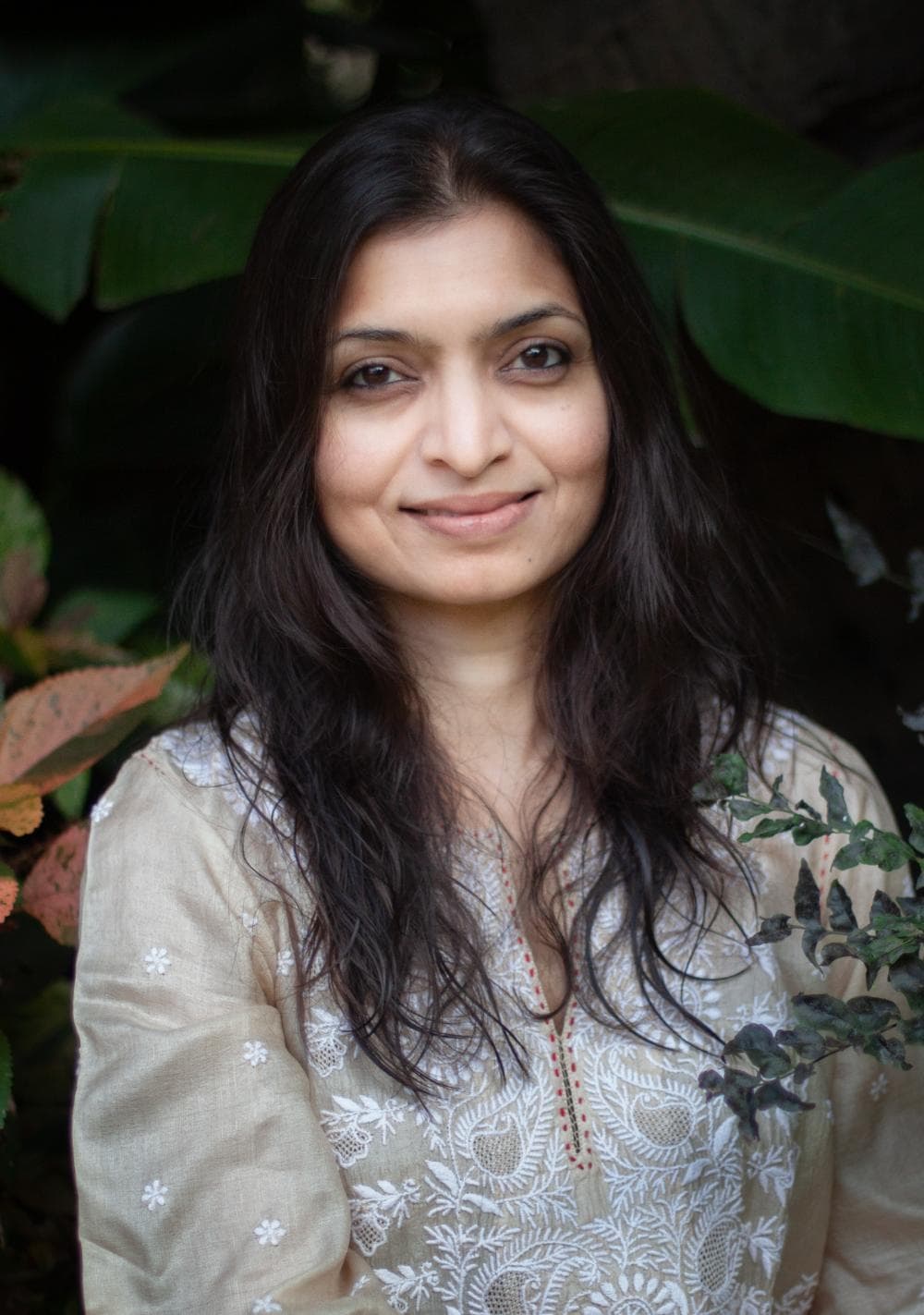
It is these encounters that shaped Boito, my clothing, homeware and art label. The name means "boat" in Odia, derived from the ancient maritime festival Boita Bandana, the Worship of the Boats. We began to see ourselves as participants moving between worlds, building relationships, listening deeply and carrying stories with care rather than extracting inspiration. Translating without diluting. Sharing without overproducing. Protecting context while creating access. Our goal is to preserve local traditions, nurture creativity and contribute to the financial wellbeing of these communities, all without disrupting their unhurried way of life.
The pace of Odisha changed me. It induced slowness. It forced pauses. It made me question urgency, especially the kind imposed by markets. Today, when a customer asks if something can be made faster, I often think of the three Mangulis, of looms paused for weddings, of mountains defended in court. Speed is not neutral. It has a cost.
So when the warp pulls forward, it carries us gently toward alignment: with land, with community, with time.
We returned to the same villages. Conversations expanded beyond yarn counts and dye processes to include crop cycles, schooling, migration and continuity. Trust grew gradually. Over time, the textiles and crafts began to travel. The Matriarch Blanket journeyed to Los Angeles as part of The Great Elephant Migration. Navagunjara moved from India Art Fair in Delhi to the Cheongju Craft Biennale in South Korea, then to the National Crafts Council in Delhi, and is now slated to travel to the Whitworth Art Gallery in Manchester, all under the Hyundai Translocal Series supported by Hyundai Motor Company. We exhibited at Xtant in Spain last year and will return again this year. Across India, solo exhibitions have continued to centre these materials and the hands that shape them.
True stability and true peace are strongest when rooted in home. The warp may carry us outward into the world, but it is home that gathers us back, with renewed respect. That exchange continues to shape Boito's path.