
The World Cup Is About So Much More Than Football. Here Is the Proof
If you're not a football fan, you might want to reconsider paying attention this summer. Because the 2026 World Cup is turning out to be about culture, connection and community just as much as it is about the game.
Beaming is the only word I could use to describe the taxi driver who pulled up outside the train station this week. “Are you excited for the World Cup?” he asked, before I had even got my seatbelt on. Not being much of a football fan, I will admit I had not given it much thought. Yet the man in front of me was evidence that the World Cup is not actually only about football.
Originally from Sri Lanka and now celebrating his 35th year in the UK, he is firmly an England supporter, he tells me, even in cricket, against his home country. “There’s no better feeling than watching England win in an English pub. It brings people together,” he says. And he’s absolutely right. Though I suspect that feeling of shared victory is felt with every home country win around the world: a sense of patriotism from a genuinely positive place. And it doesn’t stop at just shared pints in the pub.
When the DR Congo national football team touched down in Houston, they didn’t follow the other team’s trend of wearing tracksuits. They arrived in black silk crepe suits with velvet leopard-print lapel collars, gold leopard brooches and matching handcrafted travel bags, gaining the attention of the world’s fashion media. The look was created by Congolese designer Alvin Junior Mak as a tribute to Congolese culture, the legendary 1974 Leopards squad and the influence of La Sape, one of the continent’s most celebrated fashion movements.
.png)
Their World Cup arrival acted as not just a global stage for DR Congo’s football talent, but for Congolese fashion and cultural identity too. As the designer Mak told Vogue,“The leopard is the emblematic and totem animal of Congo.” He continued, “Across institutions, ethnic groups, and many villages, it symbolizes power, resilience, fighting spirit, bravery, and honor.” Given that clothing remains one of the most powerful ways to showcase cultural identity on a global stage, it’s an opportunity every other team should take notes from.
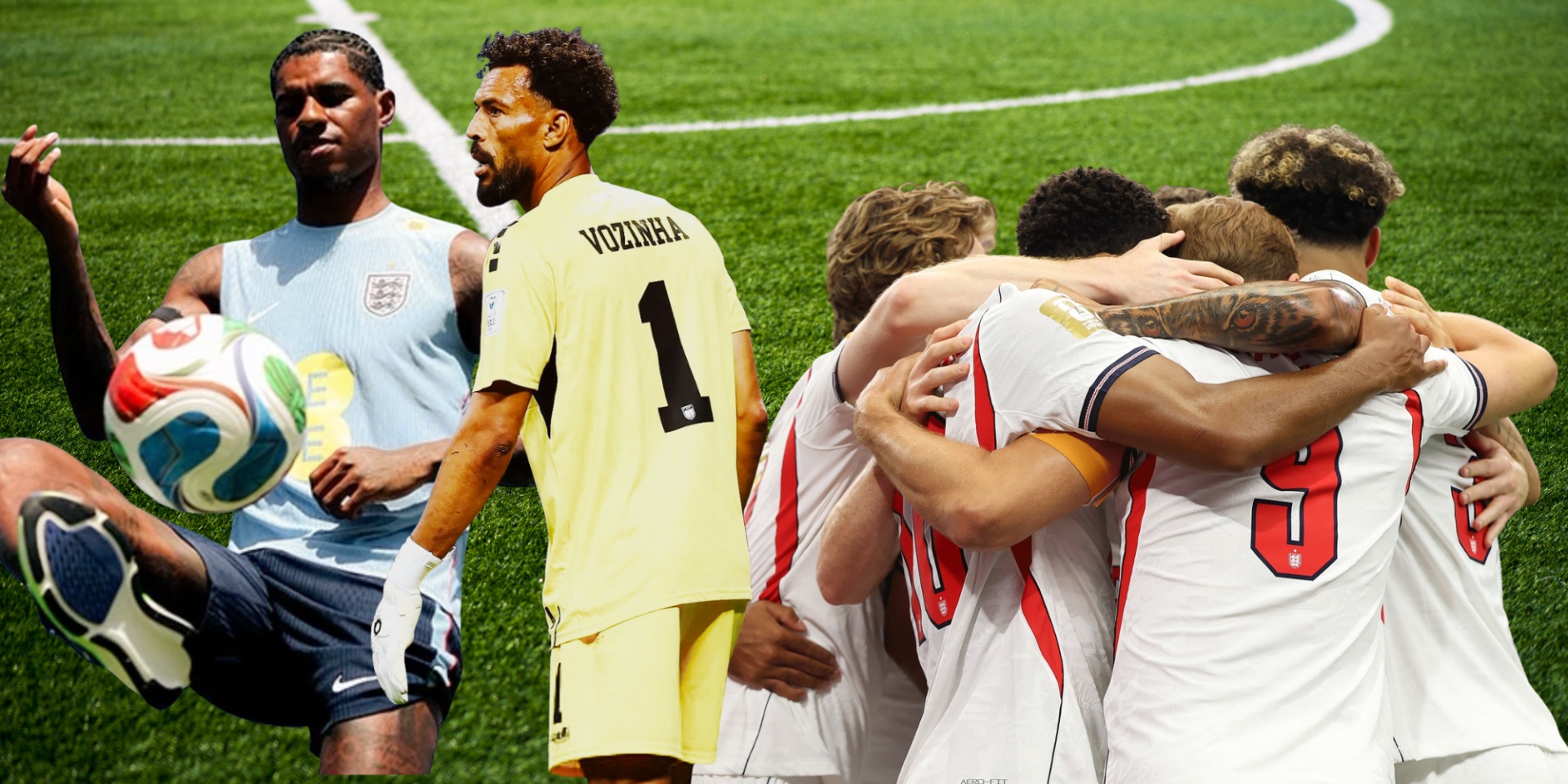
Yet Mak is far from the only talent people are talking about. Cape Verde goalkeeper Vozinha went into their first match against Spain with 20,000 Instagram followers. Just two weeks later his same account is at 15 million (yes, million) and growing. Opening up countless doors for sponsorships, speaking events, media coverage and more. The 40-year-old players mum wasn’t able to attend the World Cup “because of the visa. Because of the money you have to pay for the visa, we didn't manage on time. I would like her to be here,” he said after that first match. Since then, his mum and other members of his family have touched down in the US, visa fees waived.
And if you have been anywhere near American media this week, you have likely come across a lot of love for the Japanese supporters. When the final whistle blows at Japan’s World Cup matches, many fans do not rush for the exits. They reach for rubbish bags. Japanese fans have tidied stadiums since their first World Cup appearance in 1998, and the tradition has continued every four years since. Clearly, the rest of us have a lot to learn.
So yes, the World Cup is about football. But that's far from the whole story. Dig a little deeper and you might be surprised by everything else you find.
No items found.





.png)
.png)