
The Wellness Economy Has Changed — Are Brands Keeping Up?
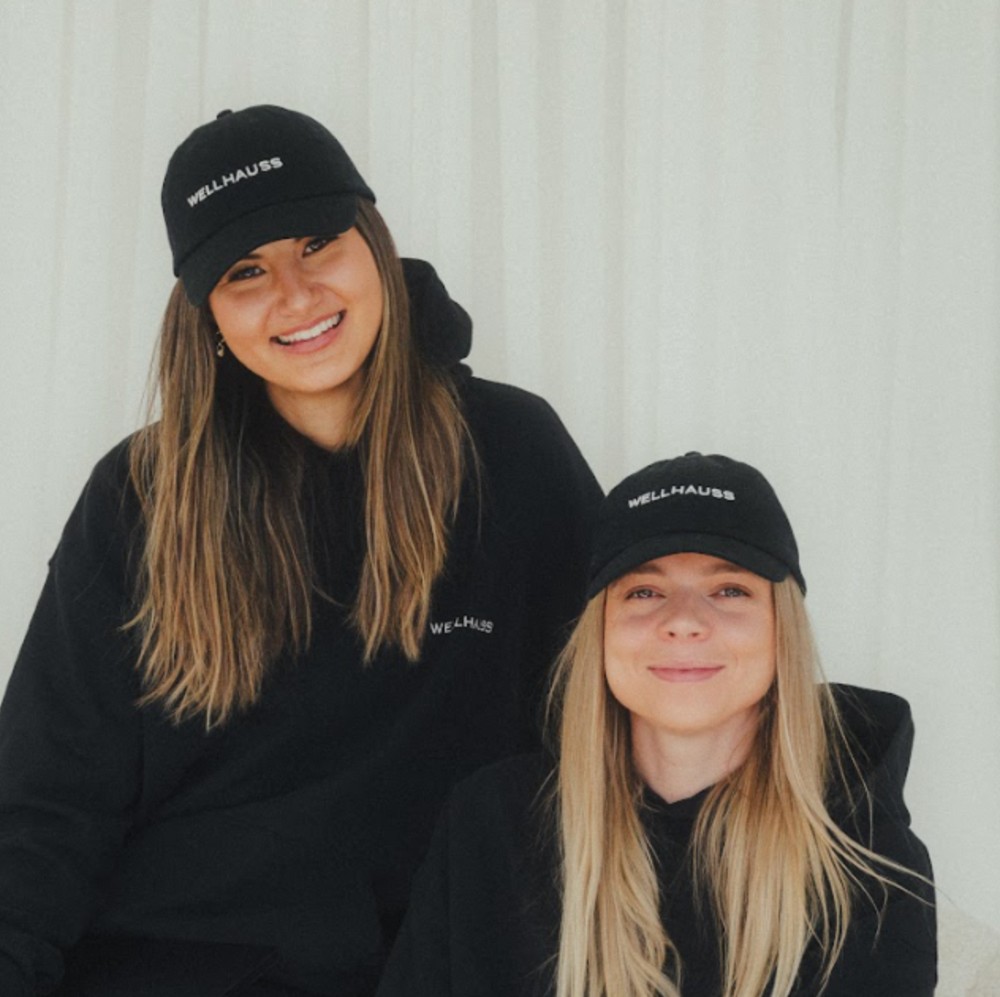
Selina Cockell and Sophie Dewaele-Makhani, founders of wellness marketing agency Wellhauss, on why today's consumers want evidence, community, and belonging — not just a good product.
Wellness is everywhere — and not because it's a fleeting trend. What we're witnessing is a fundamental shift in how people live, spend, and recover. Post-pandemic, consumers have become far more intentional: health is no longer just about gym memberships or occasional self-care rituals. It now informs daily routines, purchasing decisions, and personal identity.
Brands are responding by embedding wellness into their products, messaging, and experiences. From functional beauty and sleep technology to recovery tools and community-led movement, the conversation has shifted from novelty to longevity. Consumers aren't chasing quick fixes; they're investing in feeling better over time.
The difference between a fad and a genuine behaviour shift lies in integration. Fads are fast-moving, aesthetic, and highly individual — think cold plunges or trending adaptogens. Behavioural shifts, however, change how people consistently allocate time, money, and attention. Recovery, stress regulation, and nervous-system support are no longer optional; they're embedded into everyday life. When wellness moves from something people try to something they rely on, it stops being a trend and becomes a strategy.
And that shift has real implications for how brands show up. Today's wellness consumer is informed, sceptical, and outcome-driven. "Feels good" is no longer enough; people want evidence, education, and transparency. The brands that succeed understand this, designing products and experiences that are practical, functional, and deeply personal. Modular routines, personalised services, and community-led events now land far harder than aspirational imagery or idealised lifestyles. It's something we've seen firsthand at Wellhauss, our PR and marketing agency specialising in wellness, sport, and lifestyle. The conclusion we keep coming back to: brands don't just need visibility — they need belonging.
Take Stanley. Last year, we helped launch the Stanley Sessions campaign — a series of community-driven wellness activations across the UK. Over six months, we shaped 12 sold-out events in partnership with the likes of SoulCycle and Soho House, attracting over 3,000 new community members and a further 1,000-plus on waitlists. Beyond attendance, the campaign generated more than 4.2 million social media impressions, two million of which came from organic shares alone. By embedding wellness into an ongoing platform rather than a one-off activation, Stanley shifted from functional product to lifestyle choice.
Barry's is another good example. We orchestrated a first-of-its-kind red-light therapy partnership in Dublin, giving early adopters access to cutting-edge recovery technology. Not as a promotional stunt, but as something designed to integrate into the audience's real lives and reinforce the brand as a genuine partner in wellness.
The philosophy, really, is straightforward: belonging beats broadcasting, authenticity can't be bought, and culture is the ultimate currency. Treat wellness as a long-term ecosystem rather than a single moment, and brands don't just gain attention — they build enduring relevance. Wellness isn't slowing down; it's maturing. The brands that invest in real value, education, and community won't just follow the movement; they'll help shape what comes next.
No items found.
.png)
.png)