
Grounded may earn a commission from links on this page. How this works
In a world where our diets, lifestyles and health needs are more varied than ever, personalised supplementation is becoming a key strategy for filling nutrient gaps and optimising wellbeing. And the need for it is more pressing than most people realise.
One of the most important considerations is the nutrient quality of our food. Evidence suggests there has been a significant decline in the micronutrient and mineral content of fruits and vegetables over the past 60 years. Intensive farming practices have stripped minerals from the soil, while pesticide use has reduced soil microbial diversity, resulting in modern soils that are depleted in key nutrients and directly impacting the nutritional value of what we eat.
Then there's the question of how we live. The pace of modern life, poor sleep, increased sedentary time, exposure to environmental toxins, skipping meals and a greater reliance on convenience foods over whole foods all place higher demands on the body, widening the gap between the nutrients we consume and what our bodies actually need.
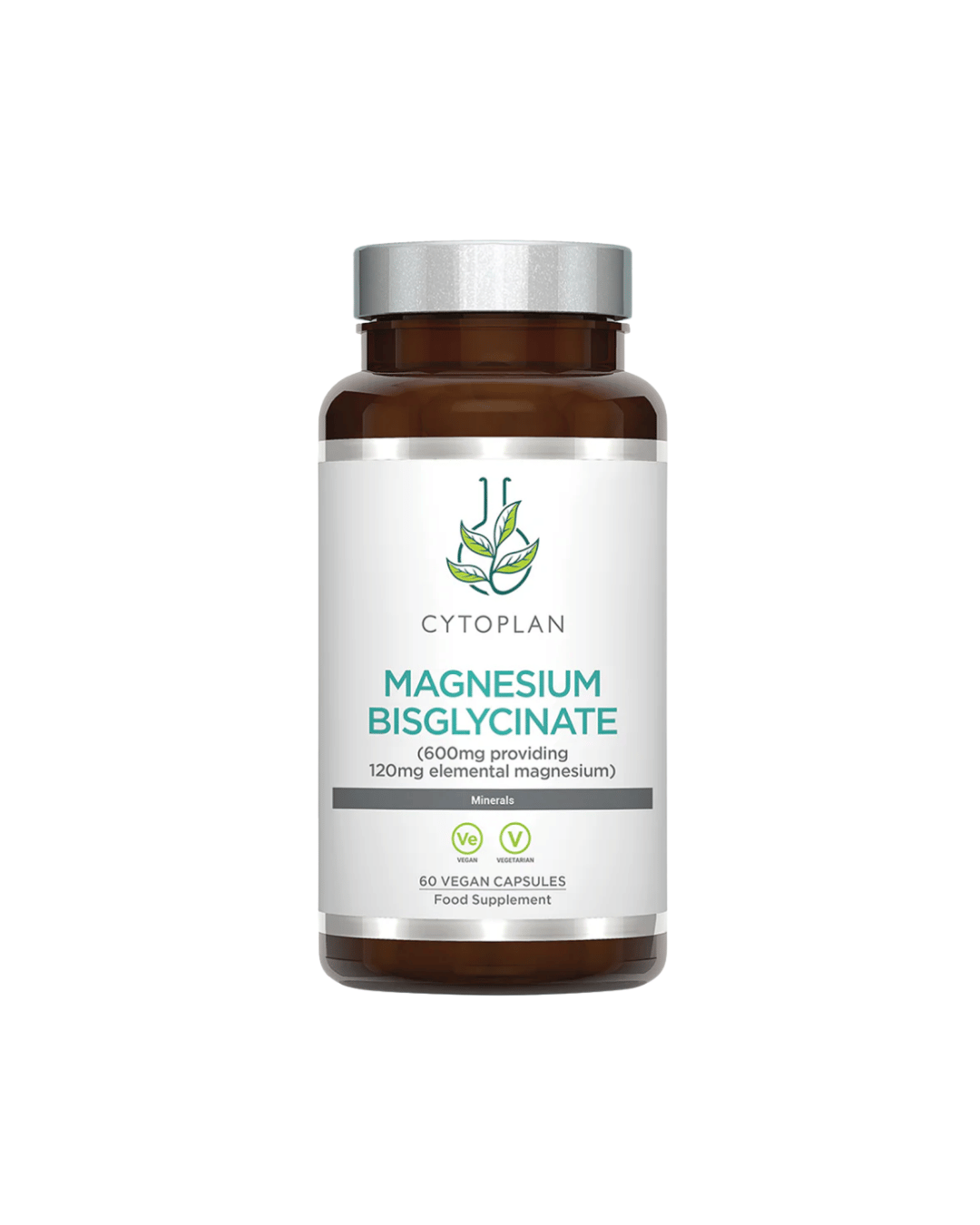
Chronic stress deserves its own mention. We are living in a stress epidemic: the UK's Office for National Statistics reports that nearly a quarter of adults experience high levels of anxiety. Chronic stress can deplete essential minerals including magnesium, zinc and selenium, all of which are critical for energy, immune function and hormone balance. It can also disrupt sleep, which is why a good quality magnesium supplement taken in the evening can make a real difference for some people. I’d recommend a good quality magnesium bisglycinate such as the Cytoplan Magnesium Bisglycinate .
Life stage is another important variable. Nutrient requirements shift significantly across our lifetimes. Women trying to conceive, for example, have increased needs for folate, iron and choline to support fertility and foetal development. Men have their own life-stage-specific demands, particularly for zinc, selenium and omega-3 fatty acids, which support sperm quality, hormone production and reproductive health. Women navigating the menopause face significant hormonal changes, including declining oestrogen levels, that can impact bone density, muscle mass and cardiovascular health. Additional support from calcium, vitamin D, magnesium and protein can be genuinely helpful here, though personalised advice from a qualified professional is always worth seeking.
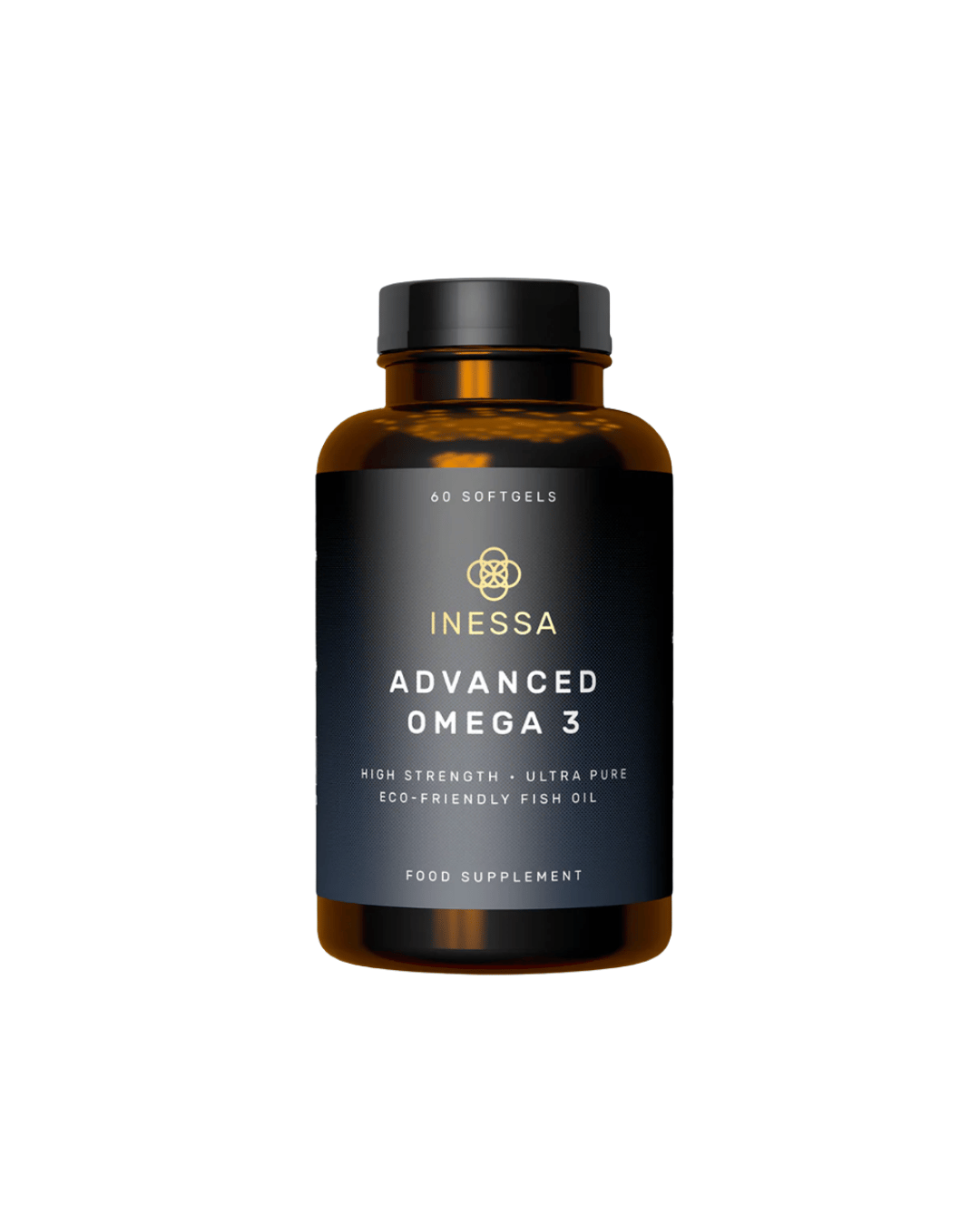
Dietary patterns matter too. Those eating a plant-based diet, for example, may fall short of certain nutrients, particularly iron (most readily absorbed from red meat in its heme form) and omega-3 fatty acids from oily fish such as salmon, anchovies and herring. This is a great example of where a targeted, high-quality supplement such as the Inessa Omega 3 can fill a genuine and identified nutrient gap in someone's diet.
That said, it's important not to supplement randomly or chase every trending ingredient. Certain nutrients can affect liver detoxification and interact with medications, and your body still has to process everything you take. Streamlining your supplement routine often makes it both more effective and easier to maintain. Fewer supplements, chosen well and taken consistently, will almost always outperform a crowded shelf of half-finished bottles.
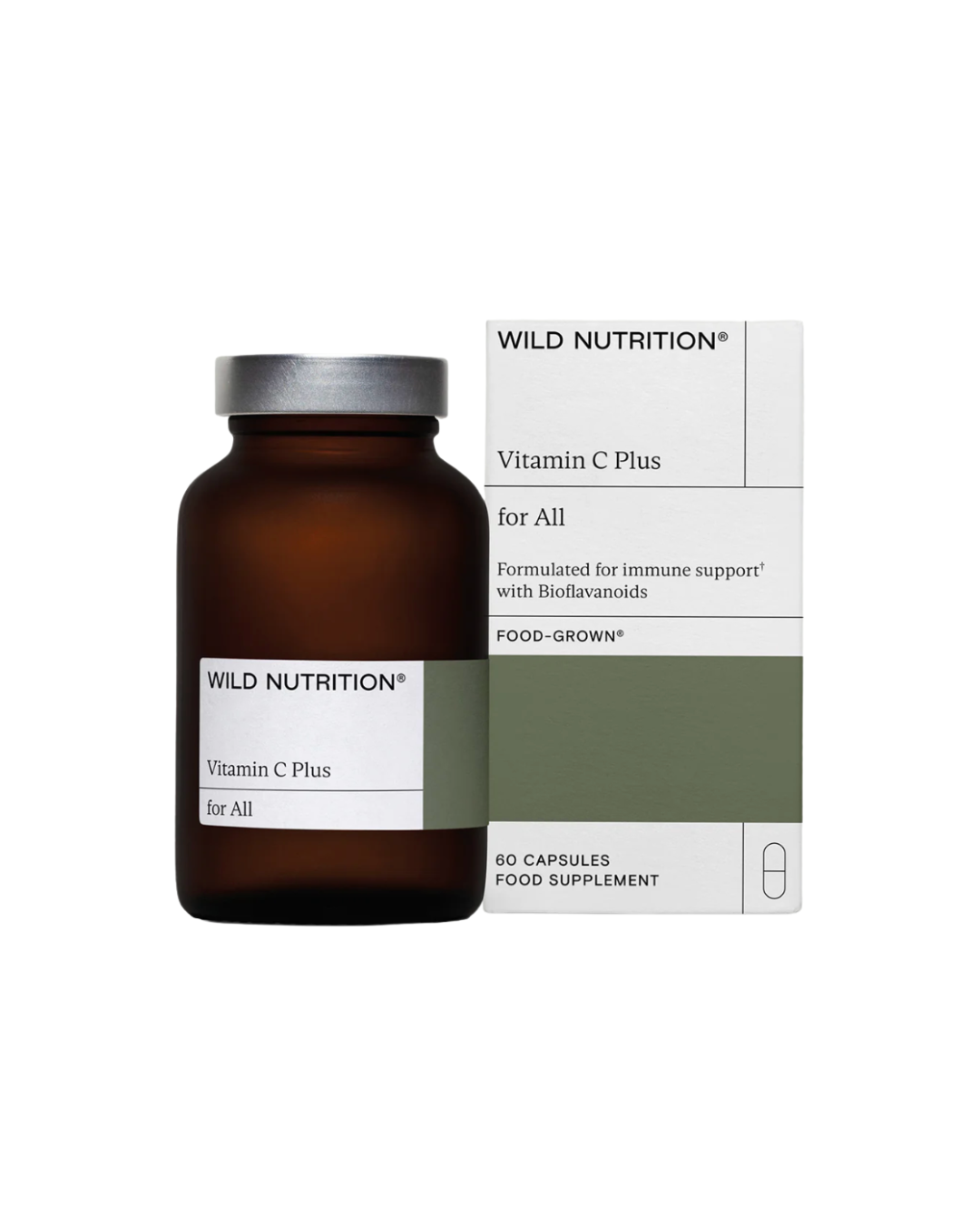
When choosing a supplement, start with the label. The active ingredient should appear at the top of the list, since nutrients are listed in order of weight. If you're buying a magnesium supplement, you'd expect to see it in the top three ingredients, not buried at the end. Avoid products that rely heavily on bulking agents, preservatives or sweeteners, as regular consumption of these additives can irritate the gut. Look for brands that provide evidence of testing for purity, potency and sustainability, and where possible, opt for food-grown supplements, I favour the brand Wild Nutrition, which tend to be more bioavailable and easier for the body to absorb because they are presented as they occur in nature. For example, their vitamin C plus also contains naturally occurring bioflavonoids, enhancing absorption and effectiveness of the Vitamin C.
We are also seeing a growing appetite for personal health data, and it's changing the way people approach supplementation. From Oura rings that track sleep cycles and daily movement to at-home blood tests for vitamin D and advanced stool testing, access to this level of detail can help identify where support is actually needed, whether that's increasing activity, building a wind-down routine or targeting specific nutrient gaps.
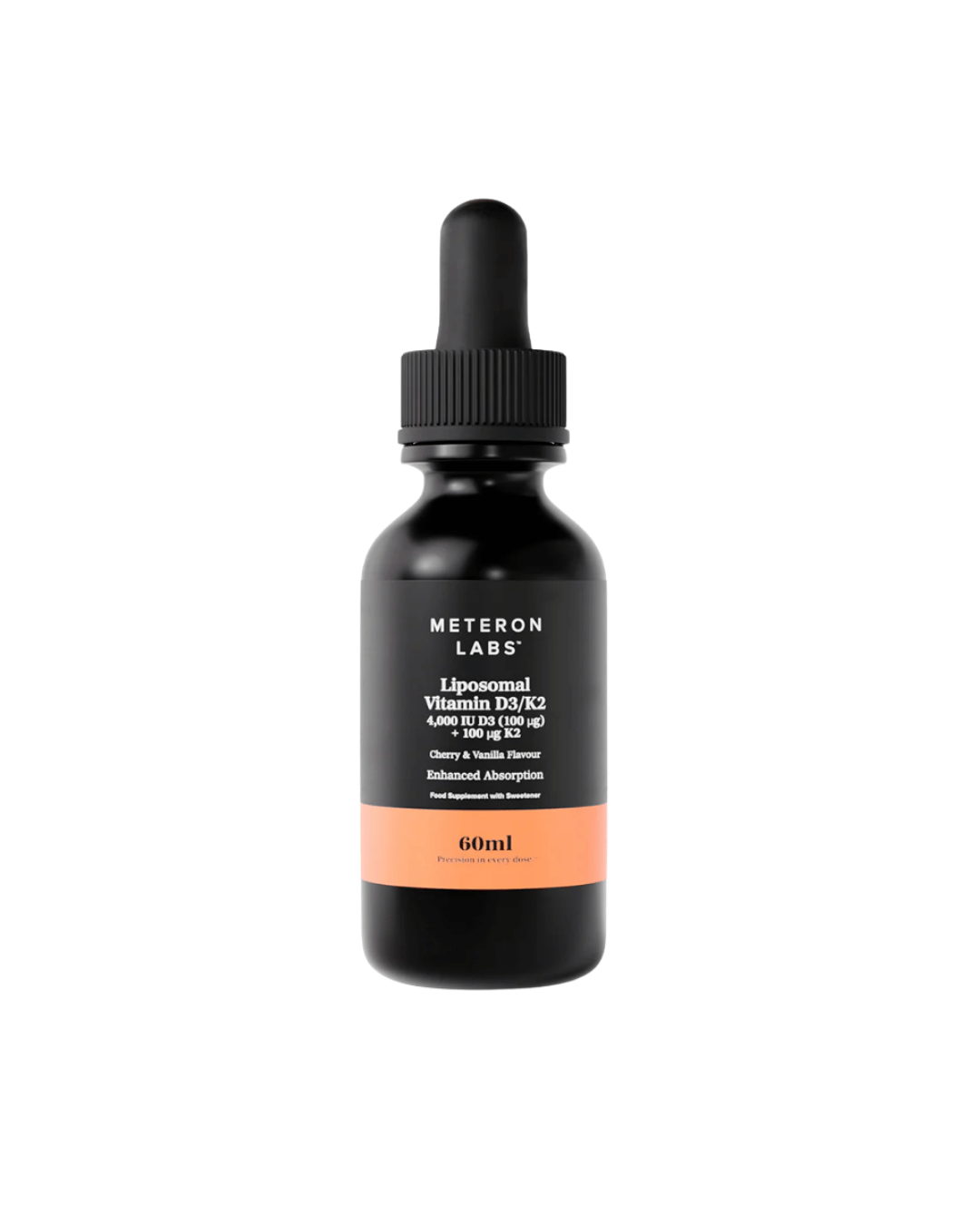
Around one in six UK adults has insufficient vitamin D levels, which can impact everything from bone health and immune function to mood and energy. Testing your individual levels means you can supplement accordingly rather than guessing, which is always the more effective approach. Once you know you're in need of supplementation, Meteron Labs D3 with K2, is a great option ot reach for, it’s a liposomal formula for better bioavailability.
When it comes to supplementation, there is no one-size-fits-all answer. It depends on your lifestyle, health status, diet and personal goals. But by understanding your own unique needs, seeking expert guidance where helpful — here at W-Wellness, we offer a 30-minute consultation with a registered nutritionist and at-home test kits to find your levels — and choosing high-quality, bioavailable supplements, you can build a personalised routine that genuinely supports your health and wellbeing rather than simply stocking the kitchen shelf.