
The Science Of Seaweed Skincare
From folk remedies to clinical research, Ann-Marie O'Shea founder of OMALY, explains why macro-algae is becoming one of beauty’s most powerful ingredient families.
.webp)


Long before retinols and lab-engineered serums, coastal communities along Ireland’s Atlantic shore relied on seaweed to heal, protect and rejuvenate their skin. Because of this, seaweed’s role in skin and health is deeply rooted in Irish life. For generations, seaweed baths have been used to ease aching joints, soothe eczema and nourish dry, weather-beaten skin, with Atlantic kelps and wracks prized for their soothing gels and natural iodine. And we weren’t the only ones.
Similar traditions exist across Europe and Asia, where seaweed poultices and broths were used to support wound healing, female health and convalescence, long before “spa” became a modern concept. So it’s no surprise that today’s dermatological research on macro-algae echoes this folk wisdom, highlighting benefits for hydration, antioxidant protection, inflammation and collagen maintenance in topical skincare.
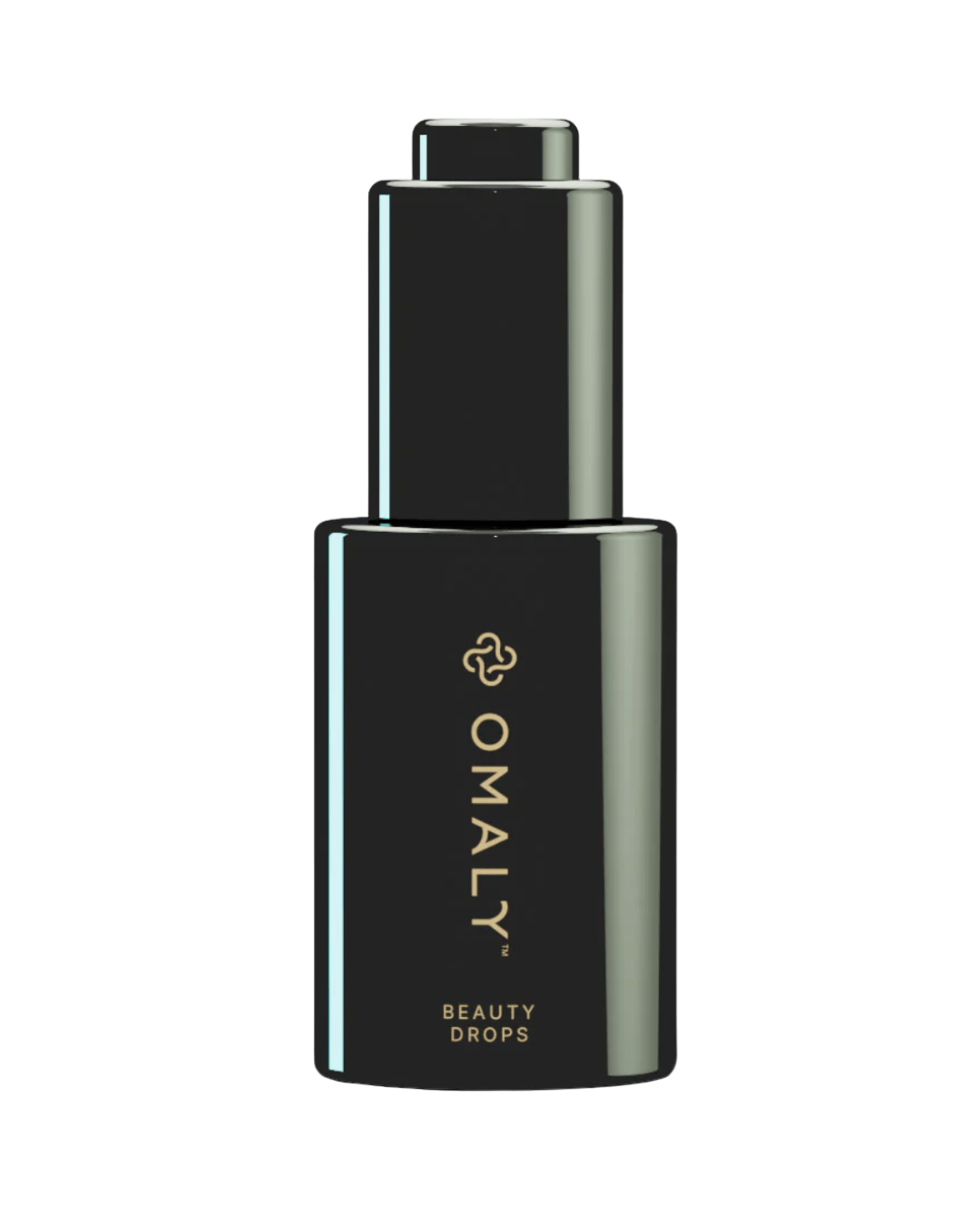
It’s this research, combined with the heritage knowledge passed down from my nan, Mary O’Malley, that pushed me to explore all there is to know about seaweed, eventually crafting my own skincare brand around it: OMALY.
Situated on the wild Atlantic edge of Ireland, we have a number of different varieties in abundance, including Chondrus crispus (Irish moss), Asparagopsis armata (red seaweed) and Saccharina latissima (sugar kelp). When used together, these seaweeds offer a multi-layered skin benefit profile, providing immediate comfort and hydration, protection and detoxification, and long-term firmness and age support. They are also naturally rich in peptides, thanks to their high protein content, adaptive stress responses and unique structures, and capable of much more.
Because of this, mainstream beauty media now describe seaweed as a “superfood for the skin,” highlighting its antioxidants, vitamins A, C, E and K, and minerals such as iodine, magnesium and calcium for their hydration, anti-ageing and detoxifying benefits. Well-known brands like Ishga, La Mer and Haeckels feature seaweed-based products that deliver visible results while aligning with the growing shift toward sustainable, ocean-friendly beauty. French marine brand Algologie, meanwhile, has developed a patented ALGO 4 complex that combines four marine plant extracts to strengthen anti-pollution defences and preserve youthful skin, underlining a scientific, complex-blend approach similar to what I’ve been building with OMALY’s multi-seaweed philosophy.
Together, these brands demonstrate that seaweed-based skincare can succeed across every level, from luxury spa and clean-beauty retail to science-driven cosmeceuticals. Their global traction, awards and media coverage validate seaweed as a credible, high-performance ingredient category. And here’s why.

4 Key Benefits Of Seaweed In Skincare
Collagen, Hydration & Barrier Support
Seaweed from the cold, oxygen-rich Atlantic is naturally packed with bioactive compounds such as fucoidan, polyphenols, amino acids and vitamin C, all key players in collagen support. These actives help stimulate type I collagen production in the skin while slowing the enzymes that break collagen down, allowing skin to appear firmer, smoother and more elastic over time.
Brown Atlantic species are particularly noted for boosting collagen, supporting hyaluronic acid production and strengthening the skin barrier, a combination that targets fine lines, dehydration and loss of bounce in one natural step. Other species are rich in polysaccharides that act like a natural hydrogel on the skin, drawing in moisture and reinforcing the barrier.
Anti-Inflammatory & Sensitive-Skin Benefits
Seaweed’s anti-inflammatory potential is well documented. Laboratory and preclinical studies show that fractions rich in sulphated polysaccharides can reduce oxidative damage, down-regulate pro-inflammatory mediators and limit matrix degradation in skin cells exposed to pollution or UV.
A detailed review notes that certain brown and red seaweed extracts can calm inflammatory pathways relevant to conditions such as atopic dermatitis and barrier-impaired skin. One clinical study using a red seaweed active, Halymenia durvillei, in 30 volunteers with reactive, sensitive skin found improvements in clinical redness scores, reductions in a microbiome marker associated with erythema, and a favourable impact on skin neuro-inflammation parameters after just a few weeks.
Pigmentation, Brightening & Surface Texture
Research has also explored seaweed’s role in managing pigmentation and uneven tone. Some brown and red seaweed compounds show tyrosinase-inhibiting activity, helping to slow melanin overproduction, while antioxidants reduce oxidative triggers of hyperpigmentation.
Clinical-level evidence suggests that macroalgae-containing formulations can lead to improvements in fine lines, surface smoothness and pigmentation over time, consistent with their combined moisturising, exfoliating and antioxidant effects.
Microbiome, Lipid Balance & Holistic Skin Health
Newer research is beginning to map how seaweed influences the skin microbiome and lipid environment. In the Halymenia durvillei study, the active polysaccharide complex helped maintain a healthy balance of dominant bacterial phyla on reactive skin without adverse shifts, suggesting a supportive rather than disruptive effect on the microbiome.
Reviews of seaweed-derived lipids highlight the presence of polyunsaturated fatty acids and sterols that can reinforce the skin barrier, modulate inflammation and contribute to a smoother, more resilient surface.
So, if you’re after an ingredient that supports hydration, strengthens the skin barrier, protects collagen, calms sensitivity and promotes a more even tone, seaweed is undoubtedly a compelling place to start.

.png)
.png)
.png)
.png)
.png)