Why Skincare Brands Are Skipping Out On Water
Hydration isn’t about adding water to the skin. Here, Sabrina Ranieri unpacks the science and philosophy behind waterless skincare and lipid-rich formulations.
.webp)


Caring for the skin begins with observation, intention and respect. By listening closely to its subtle responses, every formulation decision starts with one essential question: what does the skin truly need to remain balanced, resilient and healthy over time? This philosophy isn’t driven by trends, but by an understanding of the skin as a living, intelligent organ.
This way of thinking naturally leads to a closer examination of one of the most common, yet least questioned, ingredients in modern skincare: water. Water is often associated with hydration, freshness and vitality. Yet in skincare formulations, it isn’t inherently nourishing. It doesn’t provide lipids, restore the skin barrier or support the skin’s structural integrity. Instead, its role is largely functional, acting as a carrier and diluting base rather than an active source of nourishment.
When water is introduced into a skincare product, a complex system must follow. Preservatives, emulsifiers, stabilisers and chelating agents are required to ensure microbiological safety and shelf stability. While these components are not harmful in themselves, they add layers of formulation management that can shift focus away from skin affinity and towards product preservation.
It’s for this reason that I choose to work with anhydrous, or waterless, formulations designed to function in harmony with the skin rather than against it.
Fundamentally, the skin is lipid-based. Its balance and resilience depend on the integrity of the skin barrier: a sophisticated structure of fats that protects the skin, regulates moisture and prevents water loss. Because of this, the skin responds most naturally to ingredients that reflect its own biological composition, including organic plant oils, botanical butters and natural waxes.
True hydration, therefore, does not come from applying water to the surface of the skin. The skin is hydrated from within through healthy water intake and overall wellbeing. What allows the skin to stay hydrated is a healthy lipid barrier that prevents evaporation.
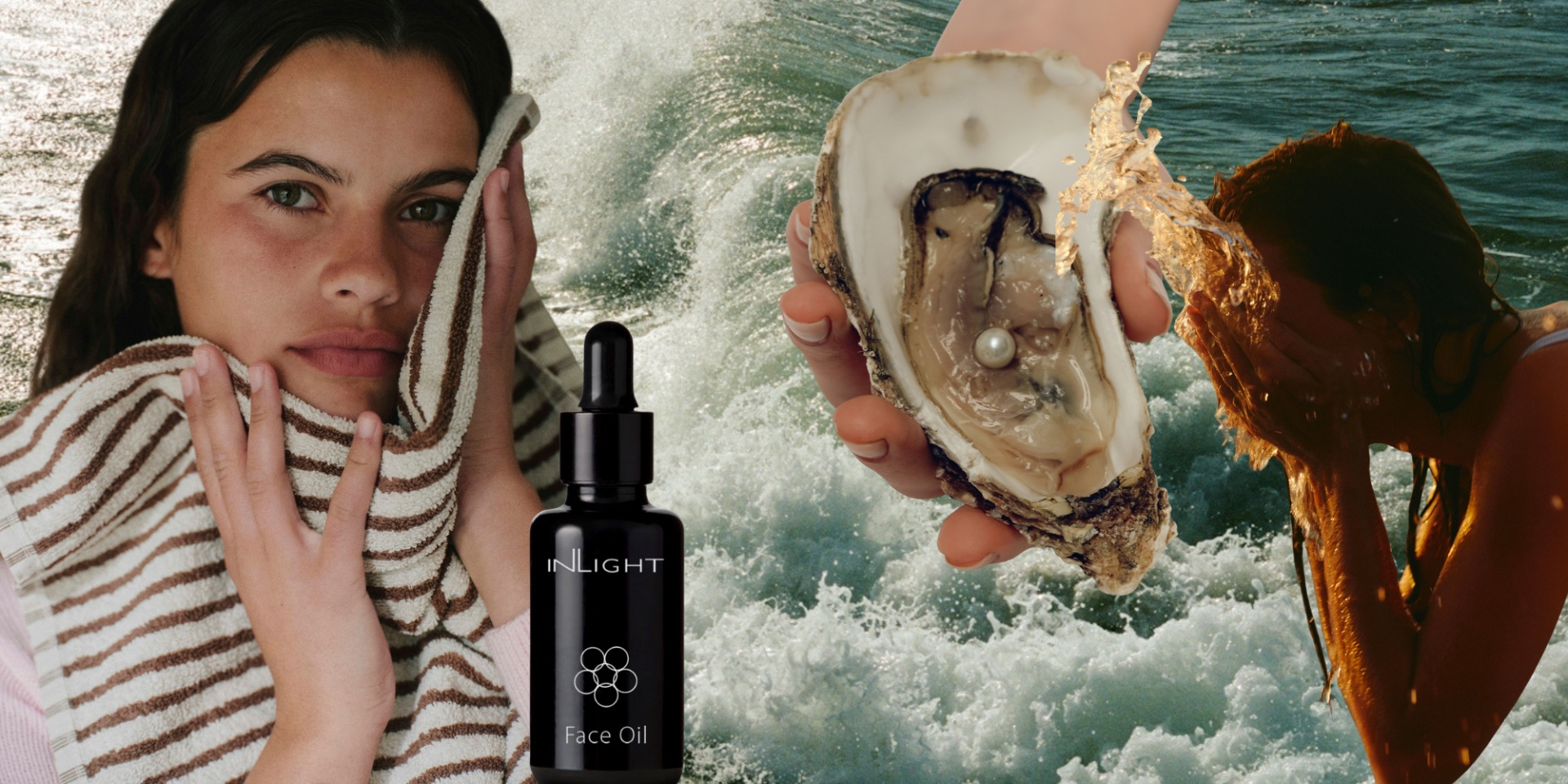
Organic oils play a vital role in this process by sealing and protecting the skin, helping it retain its natural moisture. The oils I personally favour include sesame seed oil, jojoba seed oil, olive fruit oil and coconut oil, among others. These are ingredients worth looking for when considering your next skincare purchase.
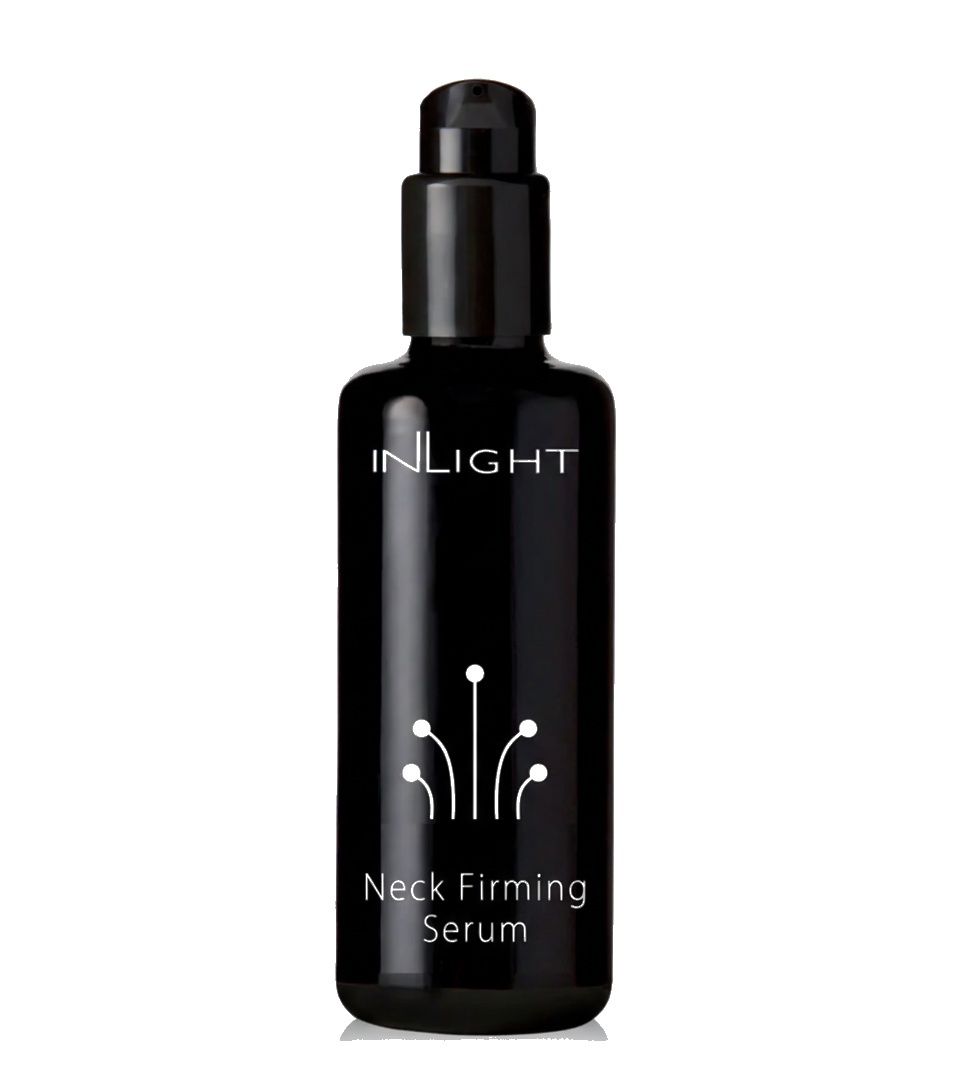
Well-formulated anhydrous skincare also removes the need for aggressive preservatives. Waterless products are concentrated, intentional and efficient, with every ingredient included for a specific purpose. In Inlight Beauty formulations, organic vegetable oils, botanical butters and plant extracts work synergistically to support the skin’s natural intelligence.
Within this lipid-rich environment, fat-soluble vitamins and antioxidants remain stable and bioavailable. Ingredients deliver nourishment without dilution, offering the skin a deeply restorative and strengthening experience.
So, should water be completely removed from all skincare routines? Not necessarily. There are moments when water-based formulations are appropriate and effective. However, waterless skincare offers a more biologically aligned and skin-respectful approach. It prioritises nourishment over dilution, and barrier support over fleeting sensory effects.
Ultimately, waterless skincare represents a return to substance and intention. It is a form of care that adapts to the skin, allowing it to function optimally, rather than forcing it to adjust to unnecessary formulation complexity.