
Less Is More: The Science Behind Why Your Supplement Stack Might Be Working Against You
Bigger stacks, longer ingredient lists, larger doses: the wellness industry has been asking us to take more for years. Arnaud Touret, co-founder of What's That Patch, started asking a different question.
There is a drawer most of us know. Half-finished bottles. Pills no one is sure they are still meant to be taking. Powders that promised something specific and never quite delivered. A tracker on the bedside table reminding you, again, that you did not sleep particularly well.
Pills on top of powders. Routines we could not keep up with. Trends to try. Protocols to perfect. At some point, wellness became something to manage, when all anyone really wanted was to feel better, more often, with less to think about.
This is where the conversation started to get loud. Bigger stacks. Bigger doses. Longer ingredient lists. Larger numbers on the label. The assumption feels intuitive. More inputs, more results. But biology does not work that way. What matters is not how much you take. It is how much your body can actually use.
What The Body Actually Receives
Most supplements are taken orally. Once swallowed, they pass through the digestive system and into the liver, where a significant portion of the active ingredient is broken down before it ever reaches the bloodstream. This process, known as first-pass metabolism, can reduce bioavailability by anywhere from 30 to 90%, depending on the compound. ⁽¹⁾
That is why so many supplements are heavily dosed. More is added to compensate for what is lost. But increasing the quantity does not change how the body processes it. It often just creates more waste, more strain and sometimes more unwanted effects.
There is a deeper issue beneath that. The body is not designed for constant spikes. Hormones, neurotransmitters, vitamins and cofactors operate within tight physiological ranges. When those systems are flooded with large, sudden inputs, they adapt. Receptors downregulate. Pathways recalibrate. What begins as a benefit can gradually turn into diminishing returns.
Melatonin is a useful example. The body's natural nighttime melatonin levels are relatively low, and research led by Professor Richard Wurtman at MIT found that a supplemental dose of around 0.3 milligrams, which mirrors those natural levels, was the most effective for restoring sleep without side effects. ⁽²⁾ A 3 milligram dose, common on shop shelves, performed no better and, taken over several days, led to receptor downregulation and disrupted sleep patterns as the brain's melatonin receptors became unresponsive to excess quantities. Yet most people assume the issue is the brand, not the dose.
A Different Question
The pattern repeats across wellness. When something does not work, the instinct is to add more rather than question the approach itself. That tension is what led us to build What's That Patch.
We believed the goal of wellness was right, but the experience had become unnecessarily complicated. Too many decisions. Too many inputs. Too much to keep up with. So we asked a different question. What if feeling better did not require doing more? What if it came from doing less, but doing it in a way the body actually understands?
Less, Delivered Better
That led us to transdermal delivery. By delivering ingredients through the skin and into the bloodstream, you bypass the digestive system and the liver's initial breakdown. ⁽³⁾ This is not a new principle. The first transdermal patch was approved in 1979 to deliver scopolamine for motion sickness, and the format has been used in medicine ever since, for nicotine, hormone replacement and pain management, chosen specifically because it offers a steadier, more controlled release than swallowed alternatives.
The nicotine patch is the most familiar example. The oral bioavailability of nicotine sits at around 40%, while transdermal bioavailability reaches roughly 76%, nearly double, with steady plasma levels maintained across the day rather than the spikes and crashes typical of oral dosing. ⁽⁴⁾
The science works best for compounds that are small and lipid-soluble, those that can pass through the skin's natural barrier efficiently. A widely referenced principle, the 500 Dalton rule, holds that molecules below this molecular weight can cross the stratum corneum in meaningful quantities. ⁽³⁾ This is exactly why ingredient selection matters as much as delivery itself. Every ingredient in a What's That Patch formulation is chosen for its evidence base, molecular size and lipid solubility, so that more of what is delivered actually reaches the body.
The clinical evidence supports the principle. A one-year University of Florida study found that 81% of bariatric surgery patients, one of the most absorption-compromised populations in medicine, maintained normal serum levels of key vitamins using transdermal multivitamin patches alone. ⁽⁵⁾ A separate 12-month randomised study in healthy adults demonstrated sustained increases in plasma vitamin D levels with daily transdermal use. ⁽⁶⁾ Reviews of broader micronutrient delivery, including magnesium, zinc and CoQ10, show similar results when formulation is optimised. ⁽⁷⁾
The result is not a spike, but a steady signal. Not overload, but support. One patch, worn over hours, delivering a controlled amount your body can actually use. Supporting energy, focus, calm, recovery or longevity, depending on what is needed. No swallowing. No measuring. No constant recalibration. It is designed to be so simple it actually sticks, not just to the skin, but as something you can realistically stay consistent with.
Our own user data echoes the point. In recent surveys, around two thirds of people had bought at least one supplement in the past six months that they did not finish, with simply forgetting to take it being the most common reason. Among regular patch users, around 90% describe it as easy or very easy to stay consistent with, and the same proportion say it is easier to keep up with than the pills and powders they were using before.
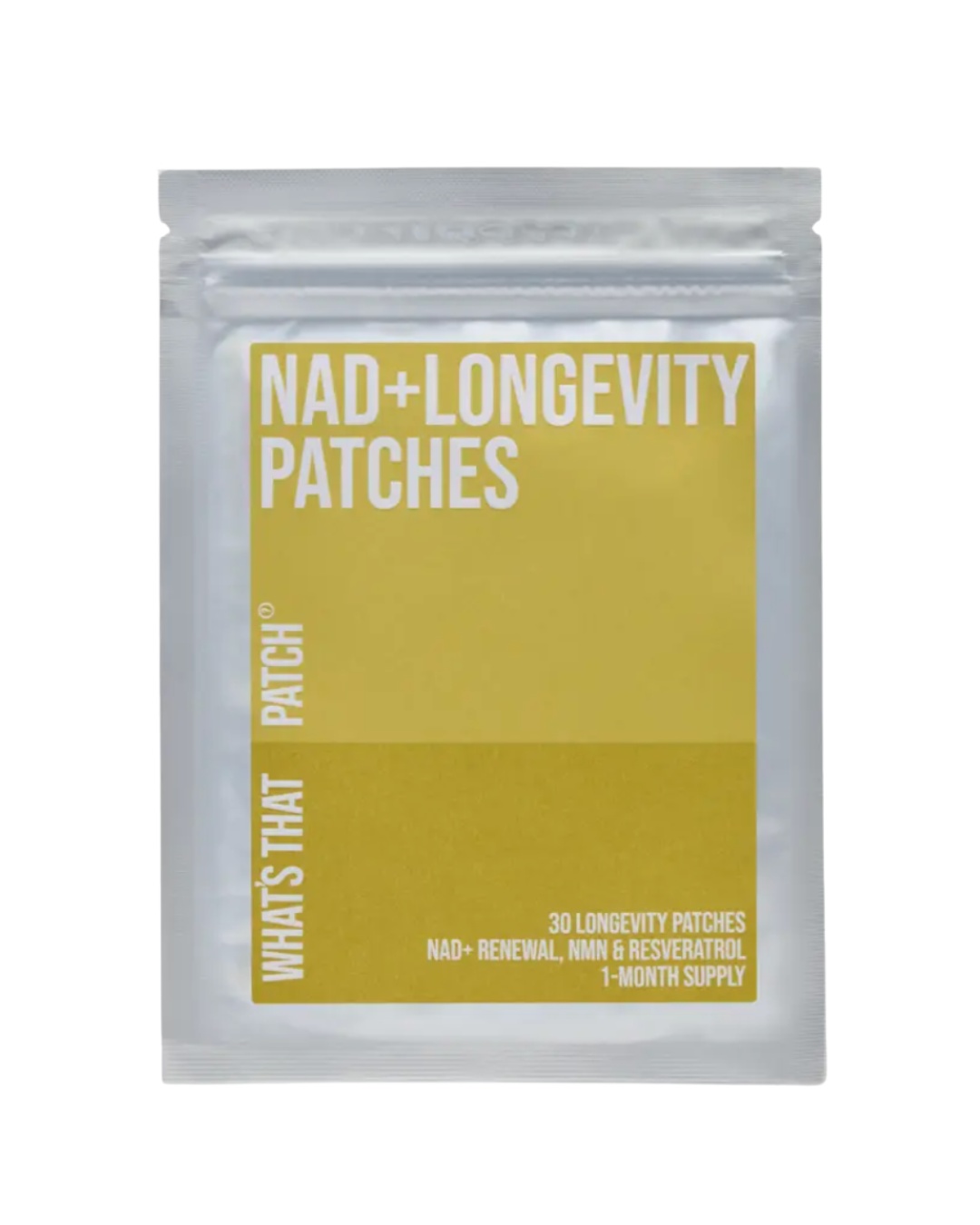
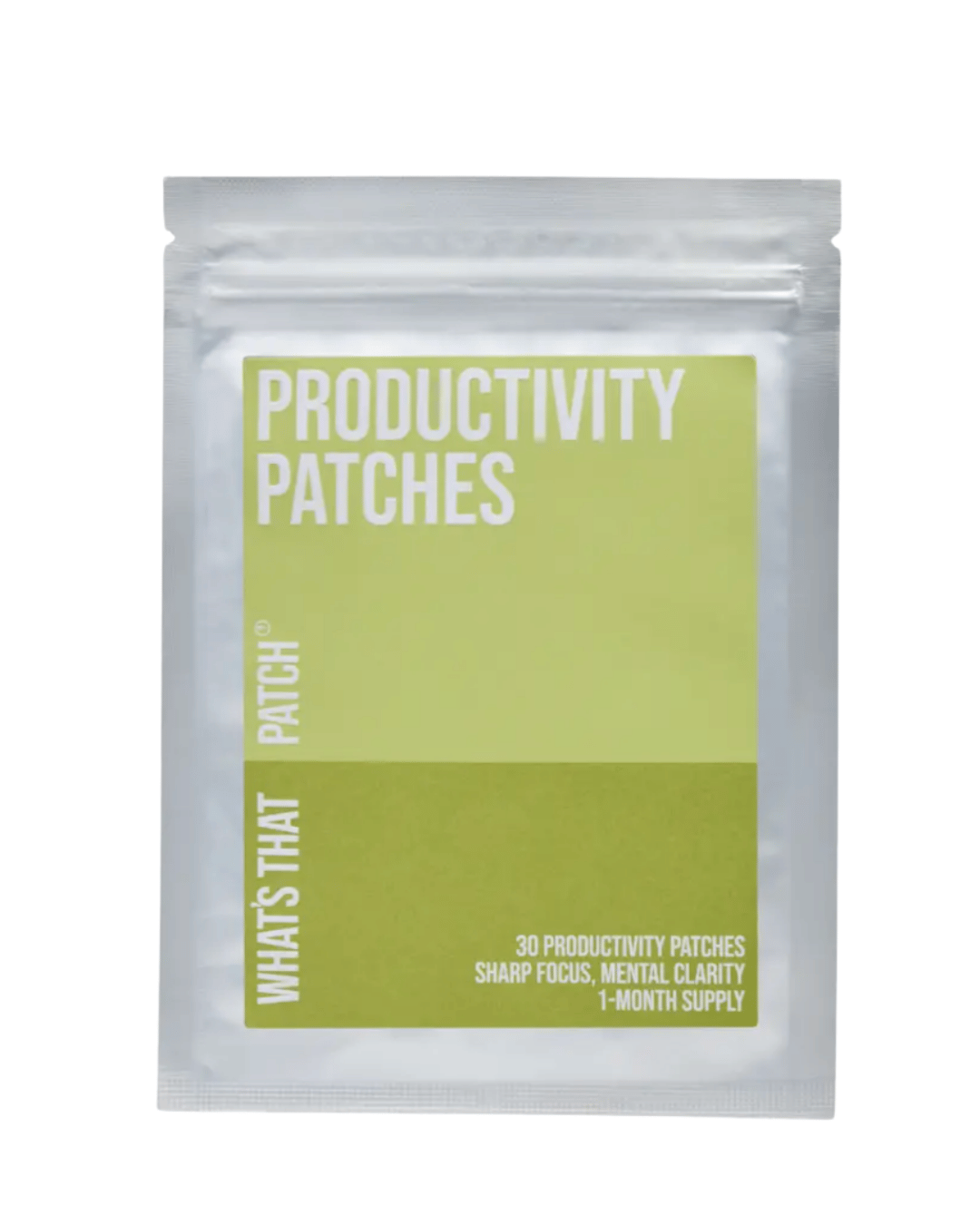
The qualitative feedback runs the same way. NAD+ Longevity users most often describe a steadier, more sustained energy through the day. Stress Less users describe calm landing within the hour. Productivity users talk about getting through their work without the usual effort. Different patches, same principle: a small, consistent input that quietly does its work.
Across everything we build, the principle is the same. Less excess. Better delivery. Closer alignment with how the body already works.
Less Noise, More Signal
This idea extends beyond any one product. Wellness does not need to be loud to be effective. It does not need to take over your routine to work.
In many cases, the most effective approach is also the simplest. Fewer inputs. Better absorption. More consistency. Less friction.
The goal was never to take more. It was to feel better.
The body has not been asking to be optimised. It has been asking to be supported. And support, at its best, is quiet. It fits into life without demanding attention. It works in the background, without constant input.
That is what we are trying to return to. Not more. Just more considered.
References
[1] First-Pass Metabolism and Its Effect on Bioavailability
[2] MIT News - Scientists pinpoint dosage of melatonin for insomnia
No items found.