
Why The 20-Minute Nap Might Be The Smartest Thing You Do All Day
It's not laziness. It's biology. Beauty Editor Charley Williams-Howitt looks at why a timed 20-minute rest could be the simplest upgrade to your afternoon (and your skin).
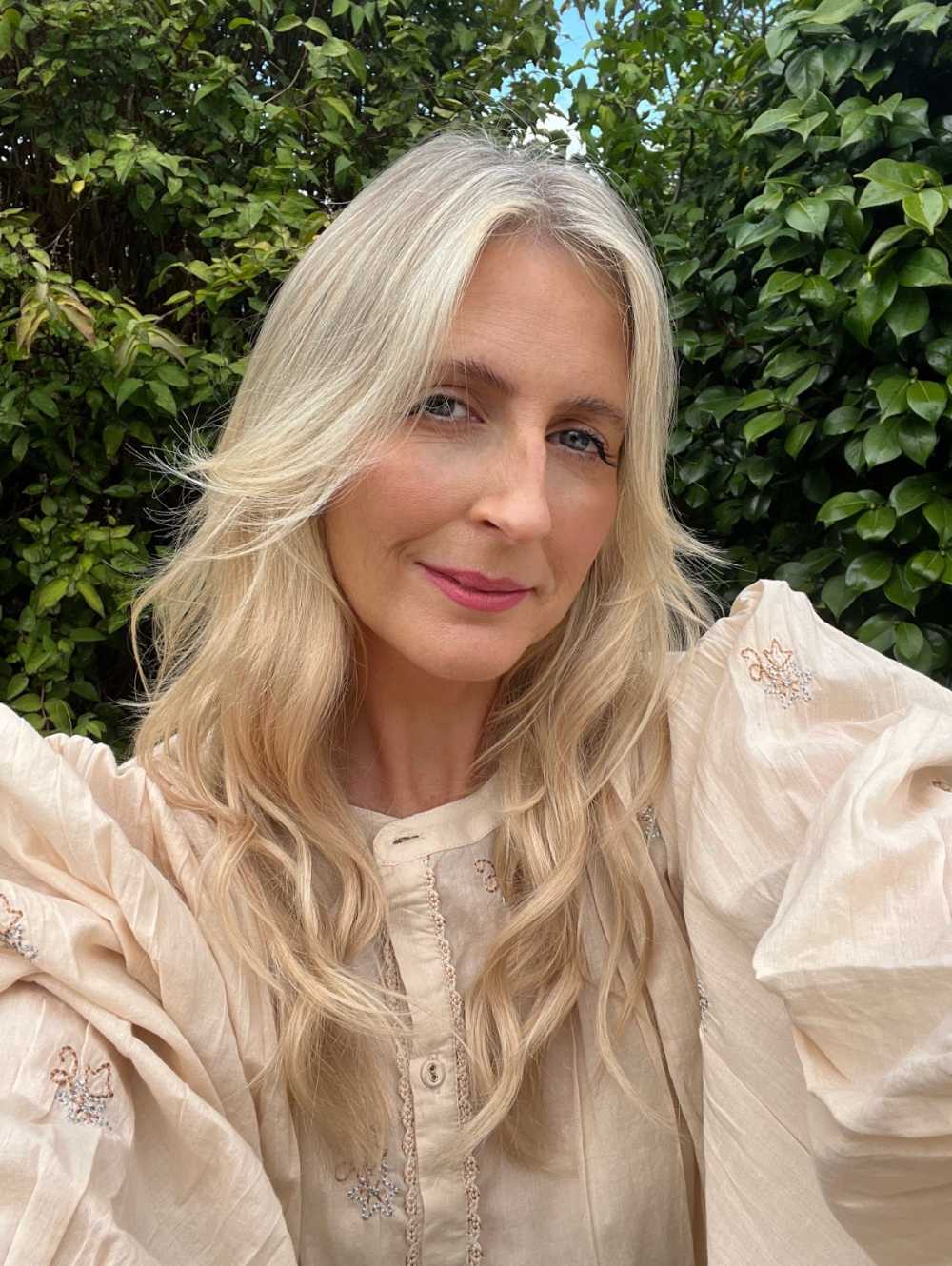
For most of my adult life, I thought naps were either a luxury or a sign of defeat. Something toddlers and jet-lagged travellers did — not busy adults with work deadlines and an eight-year-old asking where his football socks are. Then I started noticing something: everyone from athletes to celebrities, to even some of my girlfriends, treats sleep like a strategy, not an accident. And increasingly, that plan includes the nap. Not the accidental sofa doze that leaves you waking up disoriented, wondering what year it is. I'm talking about the precision nap: a short, deliberately timed rest designed to reset your brain and boost focus, that fits neatly between the school run, emails and housework.
Cultures around the world have long embraced the midday reset. Spain has the siesta. In Japan, some workers practise hirune, a short daytime nap. Even tech companies like Google and Facebook have famously installed nap pods for employees. So the question is: does a quick daytime snooze actually work, or is it just another wellness trend with good PR?
Shorter naps are the sweet spot
If naps have a reputation for leaving people groggy, that's usually because they're too long. According to Cara Shaw, in-house nutritionist at Sweet Bee Organics, shorter naps tend to hit the sweet spot because they help you avoid slipping into deeper sleep stages. "Shorter naps are often considered the ideal, as they typically minimise sleep inertia," she explains. "Sleep inertia is the grogginess and reduced alertness you can feel after waking. By capping naps at around 20 minutes, you're more likely to avoid entering slow-wave sleep, which is what tends to cause that heavy, foggy feeling."
Ishga spa and wellness consultant Helena Grzesk agrees, adding that brief naps allow the brain to dip into the lighter stages of sleep without going deep enough to leave you disoriented. "A short nap allows the nervous system to begin to slow," she says. "Heart rate drops slightly, and the brain gets a reset from constant stimulation. Even brief naps have been shown to improve alertness, cognitive performance and reaction time."
.png)
The secret is timing
If the length of the nap matters, the timing matters even more. Most of us naturally experience a dip in alertness during the early afternoon — the moment when the coffee machine suddenly looks very appealing. That slump isn't laziness; it's biology. "Most people experience a natural drop in energy between 1pm and 3pm," says Grzesk. "That window aligns with our circadian rhythm, which makes it the ideal time for a short nap that boosts energy without affecting night-time sleep." Shaw points to similar research, noting that earlier naps often show the biggest cognitive benefits. "Studies suggest naps taken before 1pm can show stronger improvements in mental performance," she says. "Naps taken too close to bedtime (less than seven hours before sleep) can negatively affect sleep quality and make it harder to fall asleep."
Can naps really help your skin?
As a beauty editor, this is the part that caught my attention. If a nap could genuinely improve my skin, even slightly, I’d happily schedule one next to my vitamin C serum. The evidence is still emerging, but experts say the connection between rest, stress and skin health is real. “Napping can enhance mood states, particularly when someone is experiencing acute stress,” says Shaw. “From a cortisol regulation perspective, that can be beneficial.” Lower stress levels matter because chronically elevated cortisol has been linked to inflammation — one of the major contributors to skin flare-ups and premature ageing. While there’s currently little evidence that naps directly improve skin repair, the indirect effects may still be meaningful. Grzesk explains it this way: “When we sleep, the body shifts towards parasympathetic nervous system activity — the state where repair and recovery happen. Even short periods of rest can help reduce fatigue and regulate stress hormones like cortisol.”
What if you can’t actually fall asleep?
Here’s the good news for anyone whose brain immediately starts writing grocery lists the moment their head hits the pillow: you don’t actually need to fall asleep for a nap to help. “Quiet, wakeful rest can still be restorative,” says Shaw. “Lying down with your eyes closed in a calm environment can reduce nervous system activity and allow partial recovery from cognitive fatigue.” Grzesk agrees. “You don’t necessarily need to sleep to benefit,” she says. “A break from constant input can calm the nervous system and support mental recovery.” In practice, that might look like lying down for 15 minutes, closing your eyes and doing absolutely nothing — which, if you’re a parent, may be the most radical wellness practice of all.
.png)
The ingredients of a perfect precision nap
According to Shaw, these factors matter most:
- Lighting: Dim the room or use an eye mask
- Temperature: Slightly cooler environments (around 18–20°C) work best
- Sound: A quiet space or steady background noise can help, like Ishga’s Sound Ritual.
- Caffeine timing: Avoid caffeine from midday onwards if you’re sensitive
- Touch: Lie on an Infrared mat for comfort and calm
Creating a small wind-down ritual, even something as simple as stepping away from screens or taking a few slow breaths, can also signal to your nervous system that it’s time to shift out of high alert mode.
When naps backfire
Like most wellness habits, naps work best when used intentionally. “Late naps, especially those taken less than seven hours before bedtime, can lead to poorer sleep quality and longer time falling asleep,” Shaw explains. Grzesk adds that long daily naps may be a sign of something else going on. “If someone relies on long naps every day just to function, it may point to poor nighttime sleep or an underlying issue,” she says. “Naps work best as a short reset rather than a daily necessity.”
My new afternoon ritual
As someone who spent years powering through the afternoon slump with another coffee and sheer determination, I’ll admit I was sceptical about the precision nap. But after testing the 20-minute version, I’m starting to see the appeal. It’s less about sleep and more about the pause. A small window in the day where the brain stops scrolling, the nervous system gets a breather, and the to-do list quietly waits outside the room. And if it also helps my skin look a little less like a tired beauty editor who stayed up too late watching Netflix? Even better.
No items found.
.png)
.png)