The Rise Of Digital Detox Escapes: Why Analogue Wellness Is Becoming A Mainstream Movement
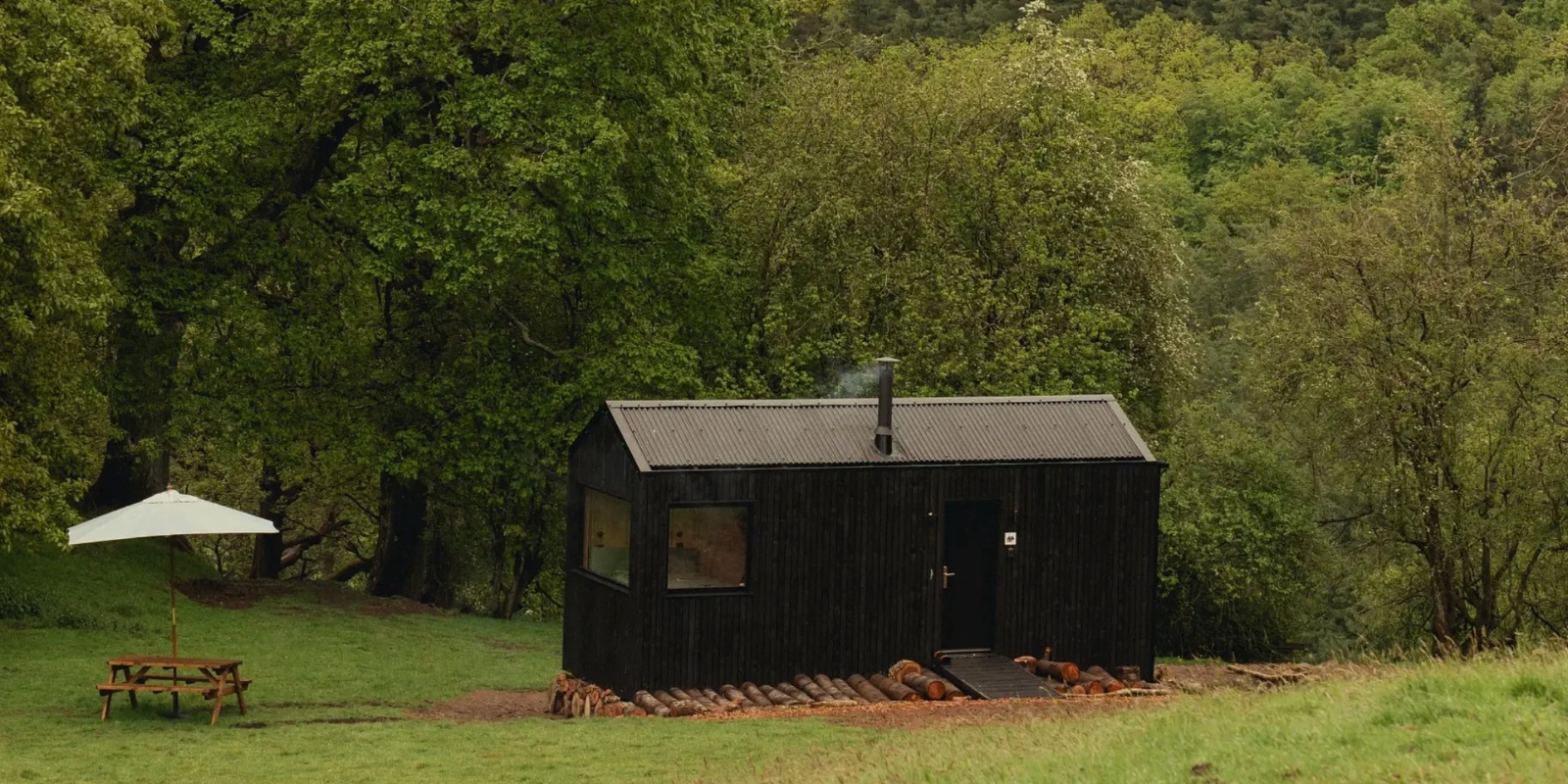
When Hector Hughes founded Unplugged, a collection of digital detox cabins, in 2020, analogue living was relatively unknown. But the last few years have drastically changed. Here, he tells us why.
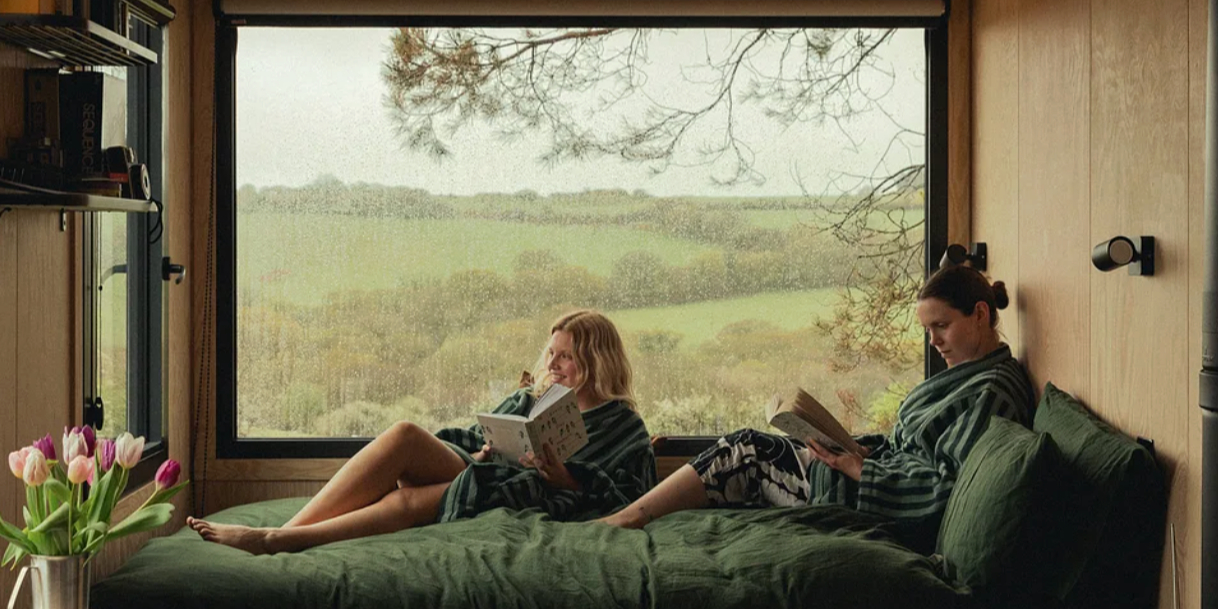
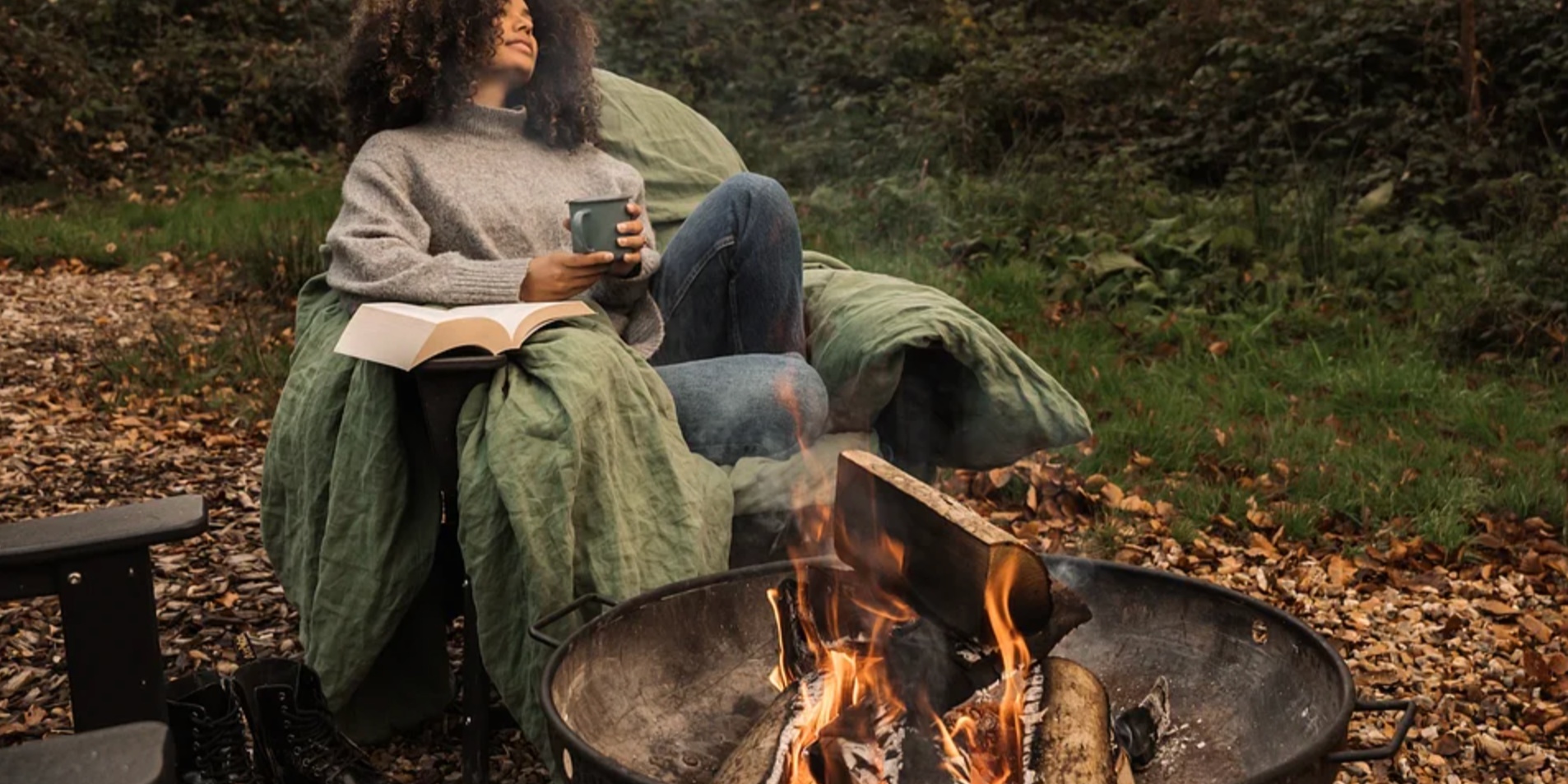
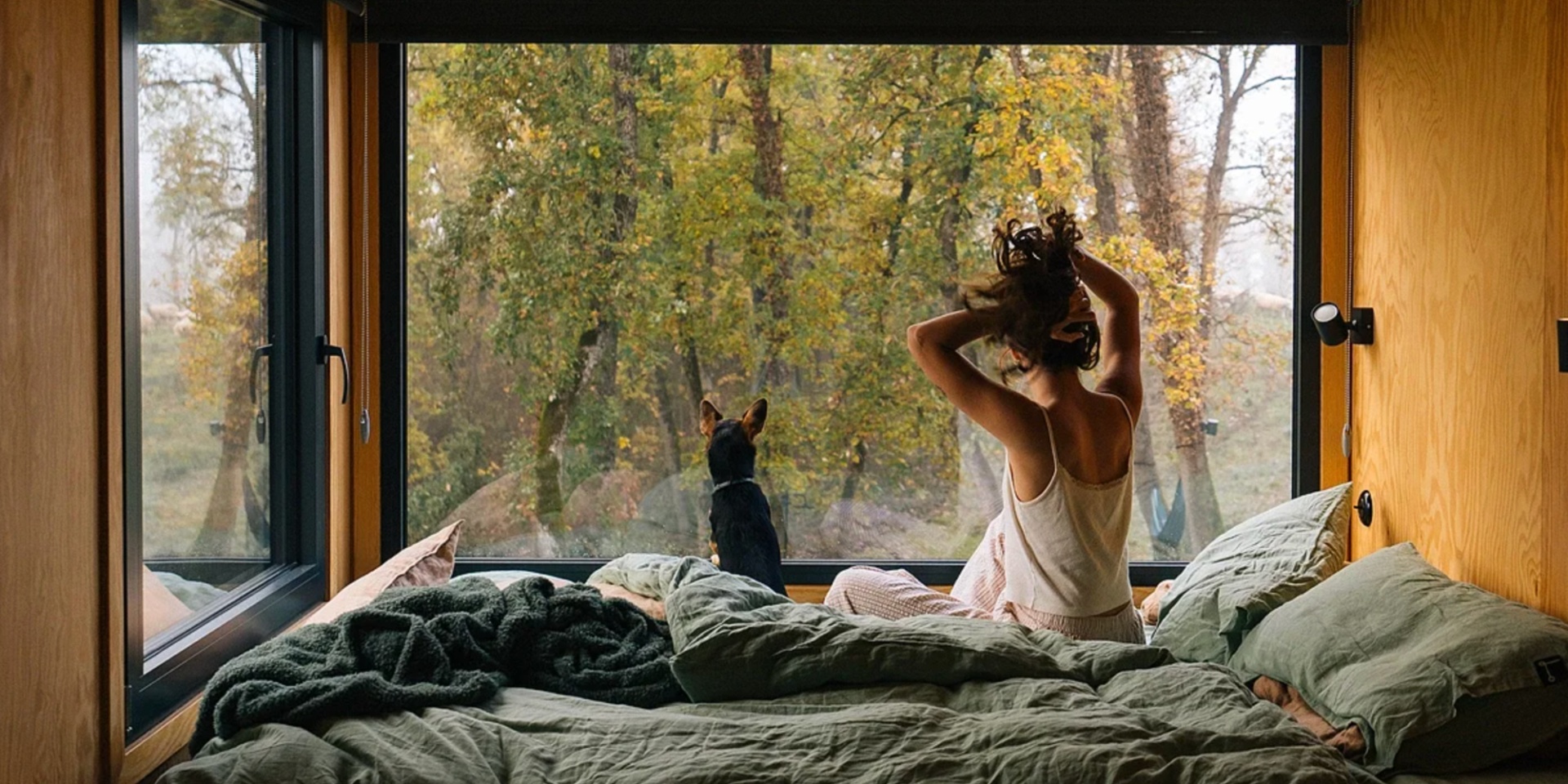
2025 has marked the start of a very different cultural shift: people are craving presence, simplicity and genuine connection with themselves and others — not broadband. What began as a niche countercultural movement centred around logging off and leaning into analogue living is fast becoming a mainstream wellness priority. And with emerging travel and wellbeing trends pointing sharply this way, 2026 is set to be the year analogue wellness steps firmly into the spotlight.
Society always evolves, but the rapid rise and dependency on social media, short-form content and AI in recent years has been steering humanity in the wrong direction. Even the wellness world is becoming performative and obsessive for many, driven by the focus on future tech. Which is why we’re seeing the beginning of a rebellion against online living.
This movement is being fuelled by growing awareness of the effects of excessive screen time. Many of us feel chronically overstimulated and emotionally drained by constant notifications, endless social feeds and the pressure of an “always-on” culture. As a result, more people are choosing to disconnect in order to reconnect — seeking out nature, stillness and human connection. Over half of our guests now cite burnout and screen fatigue as their main motivation for booking.
Why Going Offline Works: The Science Behind Digital Detoxing
The health benefits of short, intentional breaks from screens are pretty profound. Recent studies have found that spending three days offline can rewire the brain and begin to curb the effects of phone addiction. Dubbed the “three-day effect,” this digital detox can significantly reduce stress markers and lead to sustained calm in the days that follow. While some guests experience an initial wave of anxiety when locking their phone away, it quickly dissolves into deep relaxation. Physiological data shows participants returned to their calm baseline immediately after turning their phones back on — suggesting our fear of missing out is often unfounded.
When you pair being offline with immersion in nature, it has magical effects on the human mind and is a form of medicine for our minds. Research consistently shows that even just 30 minutes outdoors can meaningfully reduce stress levels. But beyond solely stress reduction, you’ll see boosts in creativity, mental clarity and original thinking, as without constant digital stimulation, the brain shifts out of a reactive state and into deeper, more reflective processing and nature further amplifies these benefits.
The Rise of “Fourth Spaces”: Rebuilding Real-Life Community
Alongside digital detoxing, another interconnected trend is reshaping how we gather: the emergence of “fourth spaces”. Traditionally, people divide their lives between home, work and public spaces. But the fatigue of online interaction — paired with a craving for meaningful human connection — has driven a boom in interest-based, in-person community groups. From run clubs to strangers’ supper clubs, creative crawls and slow-paced walking groups, people are seeking tribes that align with their passions, analogue style.
Social media has its benefits, but it’s not a replacement for real human connection. Video can never replicate being with someone in person. The little things — eye contact, physical touch, shared laughter — simply don’t translate through a screen. The growth of analogue wellness and community spaces is transforming online acquaintances into real-life friendships.
As people seek richer, more intentional forms of belonging, analogue wellness and fourth-space culture reinforce one another. Both stem from the same urge: to replace passive scrolling with embodied experience.
A Simpler Future
With Unplugged now boasting 50 cabins across the UK and Spain — and launching 20 more to meet rising demand across the wellness travel sector — analogue escapes are no longer a fringe pursuit. They’re becoming part of a healthier, more human future.
If the last decade was defined by digital expansion, the next will be about balance and realness: moments of stillness, presence and connection. And for many, that begins with the simple act of switching off. Digital detoxing won’t be a trend — it will be the norm.
Book Unplugged here.


.png)
.png)