

What You Can Do Today To Protect Your Future Chances Of Becoming A Parent
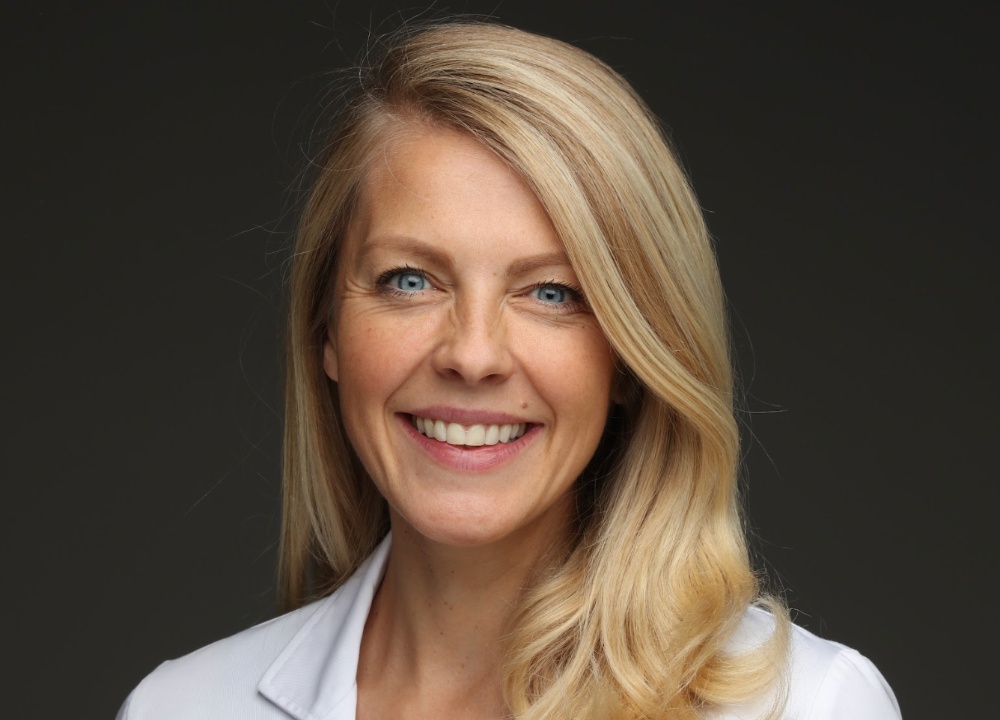
We’ve become experts in proactive wellness, except when it comes to reproductive health. Here, scientist, associate professor in reproductive genetics, and CEO of Hertility, Dr Helen O’Neill, shares why it’s time that changed.
We’re living through a moment where health has never been more closely monitored. We analyse our sleep cycles, obsess over steps, and train for longevity as though it were a competitive sport. Wellness has become something we engineer, proactive, personalised, meticulously tracked.
And yet, for all this enthusiasm, one area remains strangely absent: our hormonal health, and what it means for our ability to have children in the future, should we choose to.
In the noise of biohacking and performance metrics, fertility has faded into the background, not because it’s unimportant, but because it’s complex. Hormones don’t show up on smartwatches. Egg and sperm quality can’t be captured in a data dashboard. So reproductive health remains tucked away, treated as private or awkward, despite being fundamental to our wellbeing.
As someone who has spent my career studying reproductive biology, I find this hard to ignore. Hormonal health doesn’t just shape how we feel today: it guides our long-term health and our future reproductive choices.
We’ve built an entire culture around proactive health… just not this kind. Consider this: the menstrual cycle is now recognised as the sixth vital sign. Irregular or absent cycles can be early indicators of thyroid issues, PCOS, insulin resistance or underlying hormonal imbalance. For men, the signs may be less visible, but no less real. Hormones influence sperm quality, libido, mental health and metabolism, and sperm, despite its reputation, is surprisingly fragile. In fact, recent research has shown how low sperm count is a predictor of overall health and (not to be dark), but death in men.
And let’s address the next big myth: fertility is not a “women’s issue". Contrary to cultural belief, fertility has never been a “women’s issue”. A third of fertility challenges come from men, a third from women and a third remain unexplained (likely to be a combination of both). Yet men rarely learn that sperm takes around 74 days to regenerate or that stress, poor sleep, alcohol, nicotine and heat exposure directly affect sperm quality. Women, on the other hand, are often told they’ll “know when the time is right,” without ever being taught the most basic biological fact: they are born with all the eggs they will ever have. The quality and quantity of which naturally declines with age.
Understanding this isn’t meant to create pressure. It’s meant to create freedom. The freedom to plan, to prepare, and to make informed decisions about the future, on your own terms. It’s the very reason we created Hertility: to give people clear insights into their symptoms, menstrual factors, hormones and reproductive health long before anything becomes urgent, so they can make informed choices about their wellbeing.

So what can you actually do now, long before the “trying” chapter? You don’t need to overhaul your life or live in fear. But there are simple, science data-informed habits that support your long-term fertility and your long-term health.
Prioritise sleep. Focus on getting good quality sleep. In general, seven to nine hours of good-quality sleep is essential for just about everything, including regulating our hormones. Try to reduce your screen time for up to an hour before bed and prioritise going to bed and getting up at the same time every day. You have probably never heard of your glymphatic system, but it’s a waste-clearing network in the brain that flushes out metabolic byproducts and toxins, primarily during sleep. When we lose out on sleep, we lose out on this vital process.
Be conscious with alcohol. You may not feel like quitting entirely, but even “weekend-only” drinking can subtly affect egg quality and sperm count over time. In fact, when we looked at Hertility data and analysed the results from women whose AMH (their egg reserve hormone) had increased, the one thing all these women had in common: they had given alcohol up since their last test.
Cut back on smoking. Cigarettes, vapes and heated tobacco disrupt hormone balance and damage egg and sperm DNA. And although vaping is often seen as the safer choice, our research at Hertility shows vaping reduces markers of ovarian reserve. Even in moderate vapers.
Follow a Mediterranean-style diet. Whilst there are no specific guidelines for a recommended fertility diet, the Mediterranean diet is associated with improved fertility in both women and men. Rich in fruits, vegetables, whole grains, healthy fats and fish, the Mediterranean diet is rich in antioxidants. These have been shown to protect sperm and eggs from DNA damage and oxidative stress.
Increase intake of plant-based proteins. In general, you should focus on lowering your intake of red and processed animal meats and focus on adding plant-based protein sources into your diet: this can include beans, lentils, peas, soya beans, and chickpeas. You’ll also find some protein in whole grains such as quinoa. If you are opting for plant-based meat alternatives (‘fake meats’), choose a brand that is not ultra-processed and low in additives.
Cut down on sugar. Cutting down on sugar can be beneficial for fertility. This is because too much sugar can lead to insulin sensitivity, disrupting certain reproductive hormones and causing inflammation, which can impact egg and sperm quality.
Reducing sugar intake and opting for a balanced, low-glycemic index diet can help improve insulin sensitivity and overall reproductive health. Limit sugary foods and high glycemic index foods such as cakes, biscuits, fizzy drinks, energy drinks, sweets, white rice and white bread. Check the labels for high sugar content.
Move your body. Exercise is brilliant for keeping our hormones happy, but like everything in life, it’s all about balance. If you’re doing high-intensity training (marathons, for example), be mindful that you’re adequately fueling your body, as excessive exercise without proper nutrition can disrupt our hormones too.
Most importantly, find a form of exercise you really enjoy and move as often as you can. Great moderate exercises for those who are trying to get pregnant include: walking, running, yoga, pilates, cycling, swimming, and strength training.
Aim for a healthy, sustainable weight. Very high or very low body weight can impact ovulation, sperm quality and pregnancy outcomes. Focus on nourishing food, movement and balanced blood sugar rather than specific numbers.
Manage stress with intention. Chronic stress disrupts cycles, alters eating patterns, increases cortisol, and affects both egg and sperm quality. Anything that helps you downshift your nervous system, breathwork, therapy, meditation, or slower mornings, creates space for your hormones to regulate.
Reduce everyday hormone disruptors. Plastic packaging is a common source of endocrine disruptors. To reduce exposure, look for BPA-free and BPS-free labels. Use glass or stainless steel containers instead of plastic containers and bottles. Care products and cosmetics can also have endocrine disruptors, so always check the ingredients.
And finally, understand your baseline. This is exactly why we built Hertility, to bring reproductive science out of the clinic and into everyday life. To give people clear, clinically validated insights into their hormones, fertility and reproductive health long before they reach a point of crisis.
Hertility exists to close the knowledge gap, to make it simple, accessible and empowering for anyone to understand their body, their timeline and their options. Our diagnostic test with clinical-grade results give you insight into your hormonal health, your reproductive health and egg count, and screens for up to 18 conditions such as PCOS. With our Advanced Hormone and Fertility test, you’ll receive in-depth insights, a comprehensive doctor-written report, a clinically recommended care plan, and a complimentary clinical result review call.
The question isn’t “do you want kids right now?” It’s “do you want the choice later?” Taking ownership of your reproductive health is simply a way of keeping doors open rather than discovering later that they quietly closed. We’ve done an incredible job demystifying so many aspects of health. Fertility deserves the same spotlight, the same normality. If longevity is about adding life to your years, reproductive literacy is about adding options to your future.
Egg freezing is an effective way to take control of your fertility and plan for your future. But deciding to freeze your eggs is a huge decision. Whether or not it’s right for you will depend on lots of different factors, so whether you’re just curious about the egg freezing process, or actively looking for a fertility clinic, we’re here to help.
The real shift we need is cultural, to stop treating fertility as a crisis and start treating it as a conversation. A conversation that begins now: informed, empowered, grounded, long before it becomes urgent.
No items found.






.png)
.png)