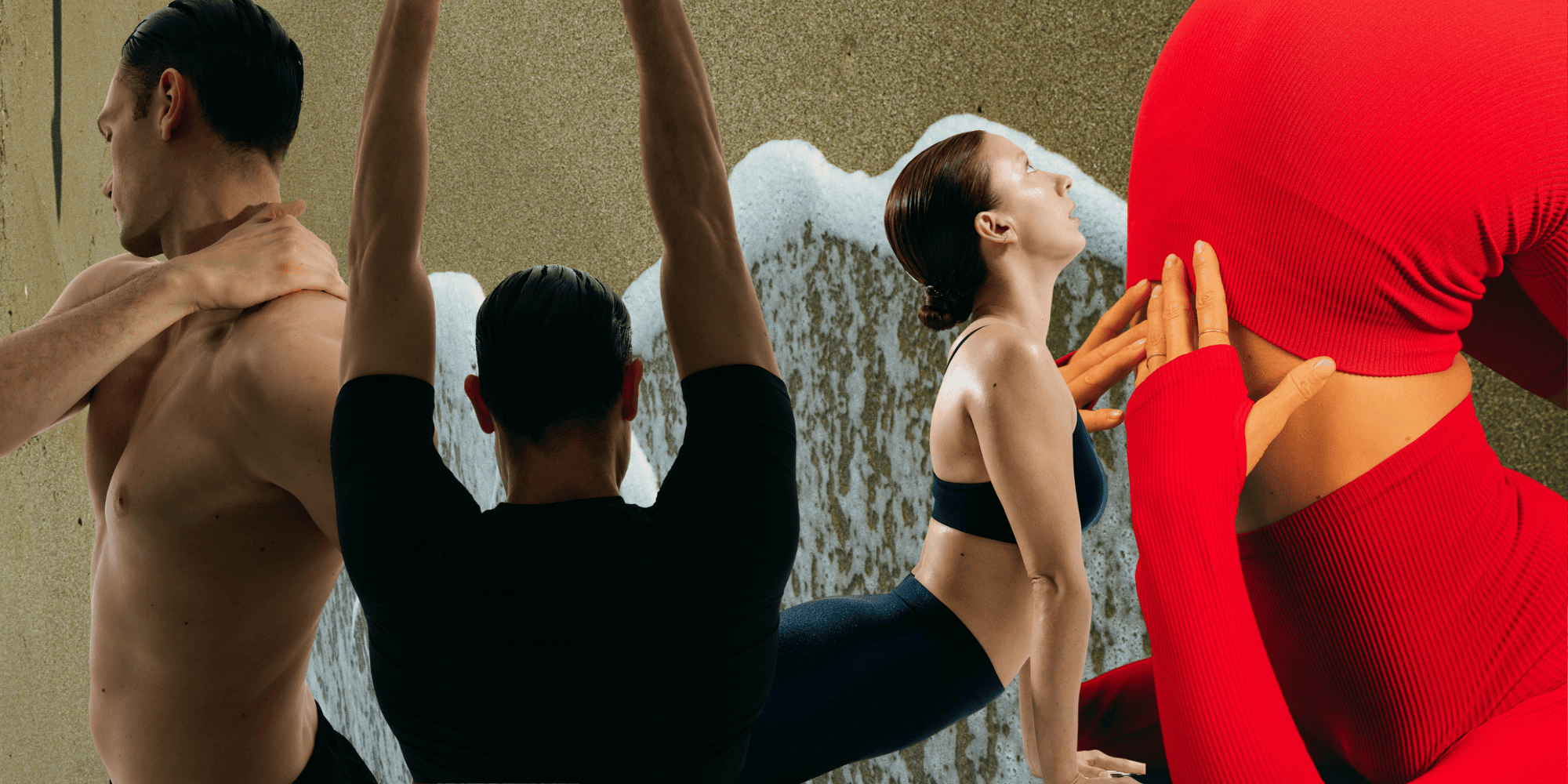
Is Assisted Stretching The Missing Piece In Your Workout Routine?
From elite athletes to desk workers, tightness and poor mobility are holding many of us back. Physiotherapist and founder of assisted stretching clinic, Stretched, Craig McHugh reveals why stretching could be the key to moving and living better.
If you had told me years ago that assisted stretching would become central to my career, I’m not sure I would have believed you. I trained and worked as a physiotherapist for one simple reason: to help people move, feel, and live better. But after years of treating thousands of clients — from NHS referrals to elite athletes in football, boxing, and rugby — I began to notice the same recurring pattern behind so many complaints: restricted mobility, muscle tightness, and limited range of motion.
These issues weren’t usually caused by dramatic injuries. They were the result of stiffness, tightness, and the gradual build-up of poor movement habits over time. Most people weren’t in pain because they lacked motivation; they were struggling because they didn’t know what to do, how to do it safely, or where to start.
Mobility was being overlooked, and I wanted to help change that. As a physio, I could treat pain, but I became far more interested in preventing it. I wanted people to maintain their bodies, move better for longer and feel more connected to how they function day to day. This is what pushed me to explore assisted stretching in a deeper, more structured way, and ultimately led to creating Stretched.
But assisted stretching isn’t a trend. It’s a fundamental part of human movement that most people were never taught to value. When your body moves better, everything in life feels better. It’s not just about treating pain; it’s about reclaiming movement, confidence and quality of life. It’s about standing taller, moving more freely and feeling more like yourself.
Assisted stretching can help every body, every age and every ability: far from the misconception that stretching is only for athletes. From a physiotherapy perspective, assisted stretching achieves three things exceptionally well:
1. It restores proper movement
Tight muscles restrict joints; restricted joints create compensation, and compensation often leads to pain. Assisted stretching breaks this cycle by increasing joint mobility and reducing stiffness.
2. It reduces physical and mental tension
Many of us carry stress in the body. In the studio, we combine clinical techniques with a calm, restorative environment so the body and mind can relax together. It’s not only treatment — it’s recovery and reset.
3. It helps prevent injuries before they happen.
By improving flexibility, correcting muscle imbalances, and supporting healthier posture, we help clients move more confidently and reduce the risk of everyday injury.
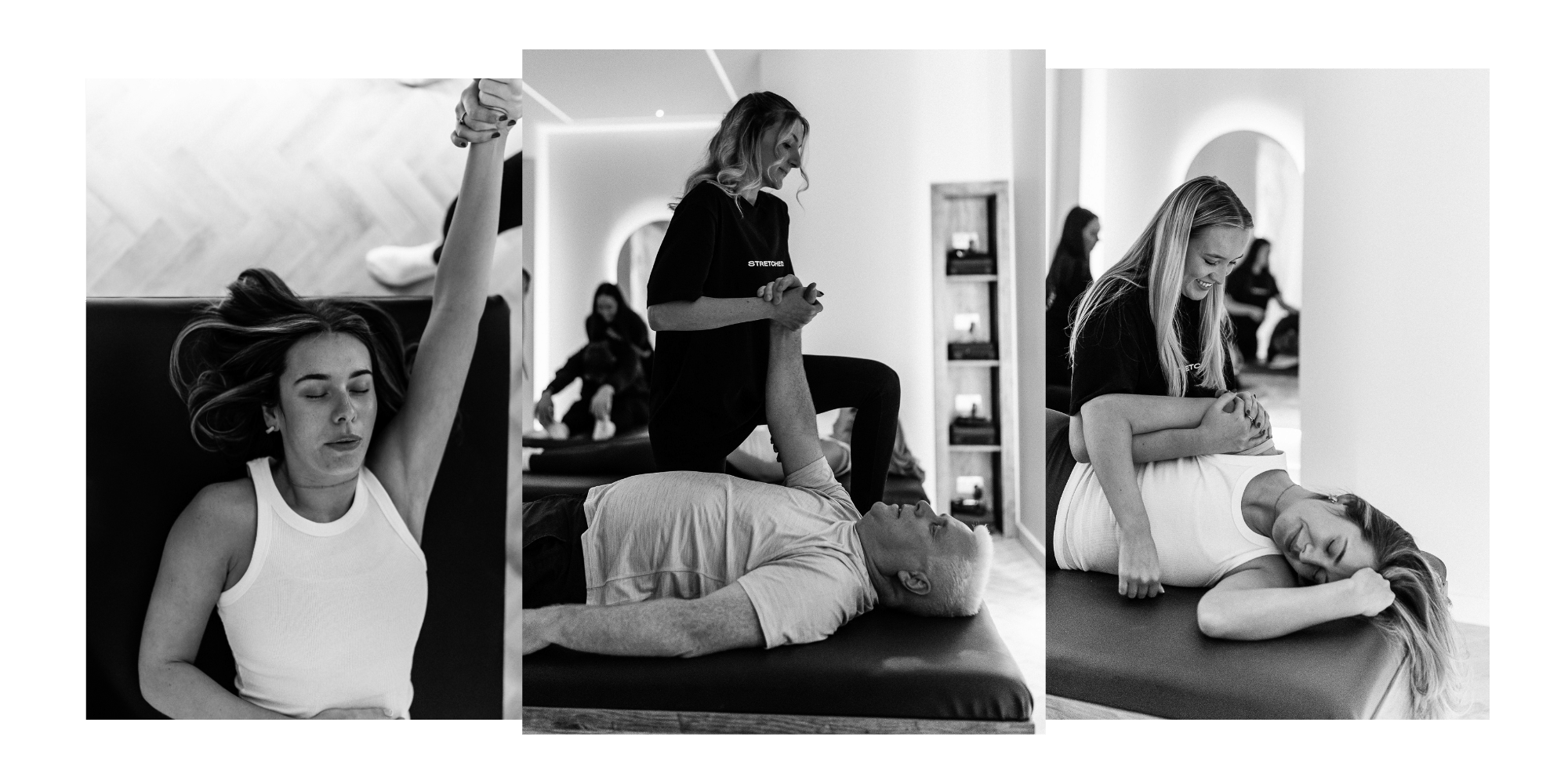
These benefits apply to people of all ages and activity levels: from those who train at a high level, to people with sedentary lifestyles, and to anyone who spends long hours sitting at a desk.Everyone experiences tightness, restrictions, and postural patterns that need attention. Assisted stretching is also particularly important for people living with neurological conditions such as stroke, multiple sclerosis, Parkinson’s, and cerebral palsy, who often rely on consistent passive stretching to maintain joint mobility, reduce stiffness, and support functional movement. For these clients, keeping the body moving well is essential.
As I work towards making one-to-one assisted stretching more accessible across the UK through Stretched (now open in Glasglow, Edinburgh and Manchester, with more locations to come), here are a few key stretches to start doing at home. And if you take just one thing away: the importance of stretching cannot be overstated. With more than 20 years in healthcare across both clinical work and elite sport, I’ve seen what good movement can achieve and what happens when people lose it.
3 Stretches To Do At Home
1. Hip Flexor Stretch (Lunge Stretch)
Great for: Lower back tightness, hip stiffness, long periods of sitting
How to do it: Step one foot forward into a split stance. Drop your back knee to the floor. Gently shift your hips forward until you feel the stretch at the front of the back hip. Keep your chest tall, don’t arch your lower back. Hold 30–40 seconds each side.
Why it helps: Most people have tight hip flexors from sitting, this stretch reduces lower back pressure and improves posture.
2. Thoracic Spine Rotation (Open Book Stretch)
Great for: Neck stiffness, upper back immobility, desk workers
How to do it: Lie on your side with your knees bent and arms straight in front of you. Open your top arm across your body like turning a page in a book. Let your upper back rotate while keeping your hips still. Hold 2–3 seconds, then return. Perform 10 reps each side.
Why it helps: Opens the upper back, reduces neck tension, and improves rotation, perfect for anyone sitting at a desk.
3. Hamstring Stretch (Supine Band Stretch)
Great for: Lower back relief, tight hamstrings, better mobility
How to do it: Lie on your back. Loop a towel/band around one foot. Keep your leg straight as you gently pull it upward. Stop when you feel a light stretch down the back of your leg. Hold 30–40 seconds each side.
Why it helps: Loosens the hamstrings, which often cause lower back strain and limit mobility for walking, bending, or lifting.
No items found.



.png)
.png)