

Regeneration Medicine Goes Mainstream
Regenerative medicine is moving from the lab into everyday clinical care. Technologies like exosomes, peptides, and stem cell–derived therapies are shifting healthcare from symptom management to true cellular repair, redefining recovery, aesthetics, and longevity in the process.
Regenerative medicine is no longer a distant frontier. It is rapidly becoming part of mainstream, physician-led healthcare, and over the next few years, it will reshape how we approach recovery, aesthetics, performance, and prevention. Stem cells, exosomes, peptides, and tissue-repair therapeutics are evolving from research-grade concepts into tools that will define a new era of care: one focused on repairing dysfunction at its root, not masking symptoms.
Global momentum reflects this shift. The regenerative medicine market is set to exceed $50 billion by 2030. In the UK alone, more than 10 million people struggle with arthritis and millions more with chronic musculoskeletal issues, driving a clear demand for interventions that restore tissue integrity rather than rely on chronic medication. People want solutions that deliver measurable regeneration, not temporary relief.
This shift is equally evident in aesthetics. The public is becoming more scientifically literate, more discerning, and far less interested in superficial, filler-heavy approaches. The focus is moving towards interventions that work at a cellular level, stimulating repair pathways, enhancing tissue quality, and improving long-term skin and hair health. Regenerative aesthetics is now one of the fastest-growing segments of the industry.
At the centre of this evolution are exosomes - extracellular vesicles that carry proteins, lipids, RNA and growth factors. Their role is beautifully simple and profoundly powerful: they transmit biological instructions between cells, directing repair, regeneration, and adaptation. Instead of working from the outside in, exosomes activate the body’s intrinsic mechanisms for recovery.
Clinical applications are already demonstrating exceptional potential. In skin health, exosomes stimulate collagen and elastin, improve texture and elasticity, accelerate wound healing, and reduce inflammation. In hair restoration, they appear to enhance follicular activity and prolong the anagen phase offering a regenerative alternative to pharmaceuticals with common side-effects. Beyond aesthetics, early data suggests roles in neurological repair, immune modulation, organ recovery, and even pathways linked to DNA repair and longevity.
Importantly, the field is becoming safer and more standardised. Advances in purification and characterisation are improving consistency, while emerging EU and UK regulatory frameworks are beginning to support controlled clinical use. What was once experimental is now moving into evidence-informed, medically supervised practice.
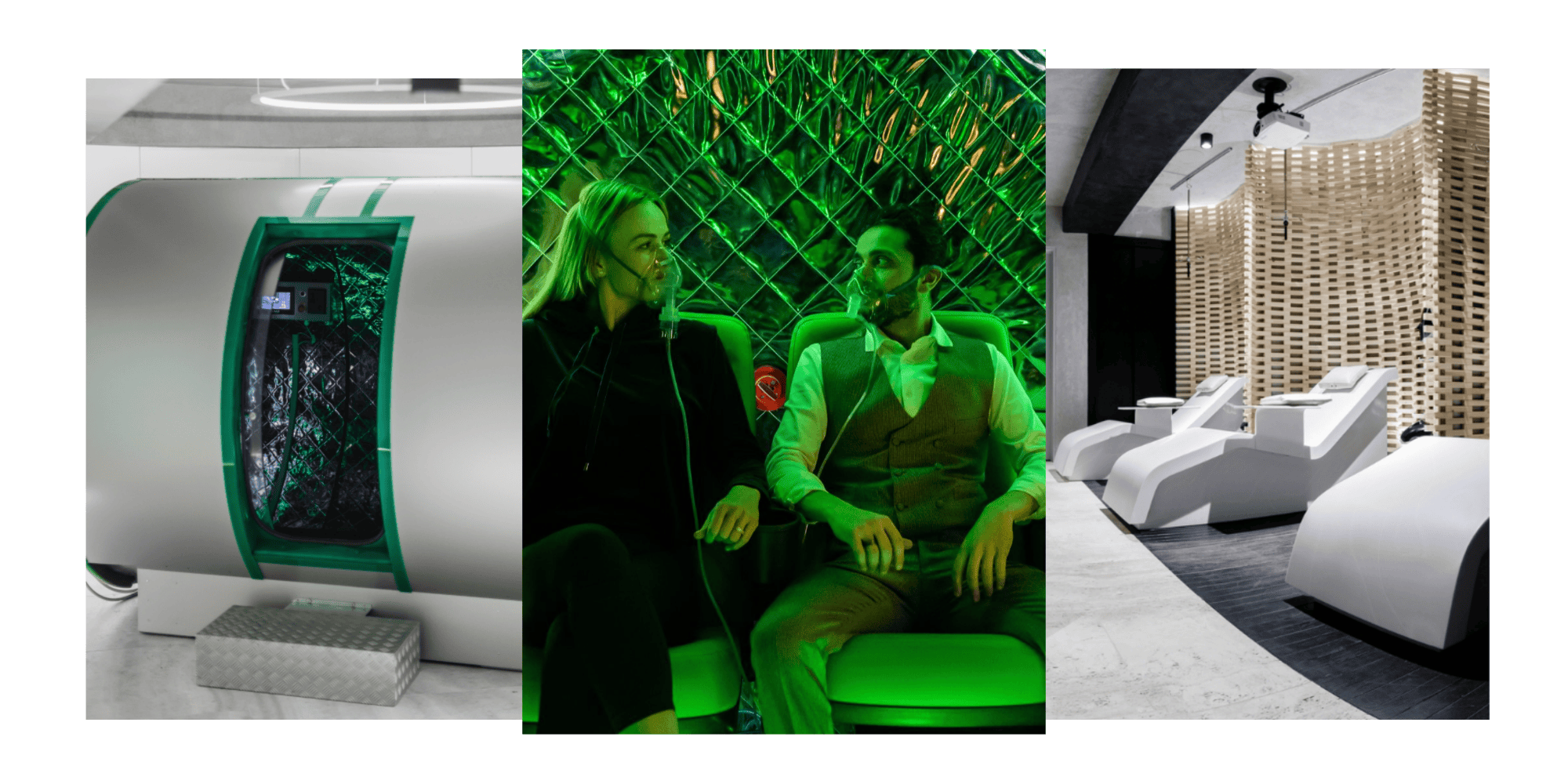
At HUM2N, regenerative medicine is integrated into a broader, systems-based longevity model. By combining health optimisation and aesthetics, we deliver exosome therapy within programmes designed to strengthen the entire organism, not simply improve isolated concerns. Exosomes enhance tissue quality, hair density, and skin vitality, while synergistic therapies such as peptides, NAD+, red-light therapy, HBOT and targeted nutraceuticals support mitochondrial function, immune regulation, cognitive performance, and cellular repair. The result is a cohesive ecosystem that elevates vitality, resilience, and visible radiance.
The impact extends far beyond aesthetics. Regenerative therapies are helping patients reduce pain, recover faster, improve mobility, strengthen musculoskeletal function, and modulate inflammatory and stress pathways. As these tools become more accessible, they will shift healthcare away from late-stage intervention and towards proactive, personalised longevity medicine.
Looking forward, the convergence of regenerative therapies with longevity therapeutics including next-generation peptides, rapamycin, hormone optimisation, metabolic reprogramming, and precision diagnostics will create highly tailored programmes aligned to individual ageing trajectories. This is where the promise lies: extending healthspan while elevating performance and quality of life at every stage.
From cardiovascular repair to neurology, aesthetics to musculoskeletal health, exosomes and stem-cell-derived technologies are building the first viable pathway towards slowing and potentially reversing biological ageing. As regulation matures and scientific standards strengthen, regenerative medicine will move from niche therapy to a foundational pillar of everyday healthcare.
No items found.






.png)
.png)