
We Asked, You Answered: How To Handle Hay Fever, According To The Grounded Community
Last week, I asked the Grounded community one question: what's your best natural hay fever hack? As ever, you delivered.
The sun may be shining, the birds chirping and the weather warming up across the Northern Hemisphere, but with it comes plenty of pollen, kicking off hay fever season for those who suffer from it. Cue the sneezing, runny nose, itchy eyes and that bone-deep tiredness that makes even a bright spring day feel like a chore. As with many health issues, the default advice is to reach for a tablet or a nasal spray to battle through symptoms. And while that approach works well for many, some of us are looking for solutions that sit closer to nature, whether through food, supplements or techniques that simply weren't made in a lab.
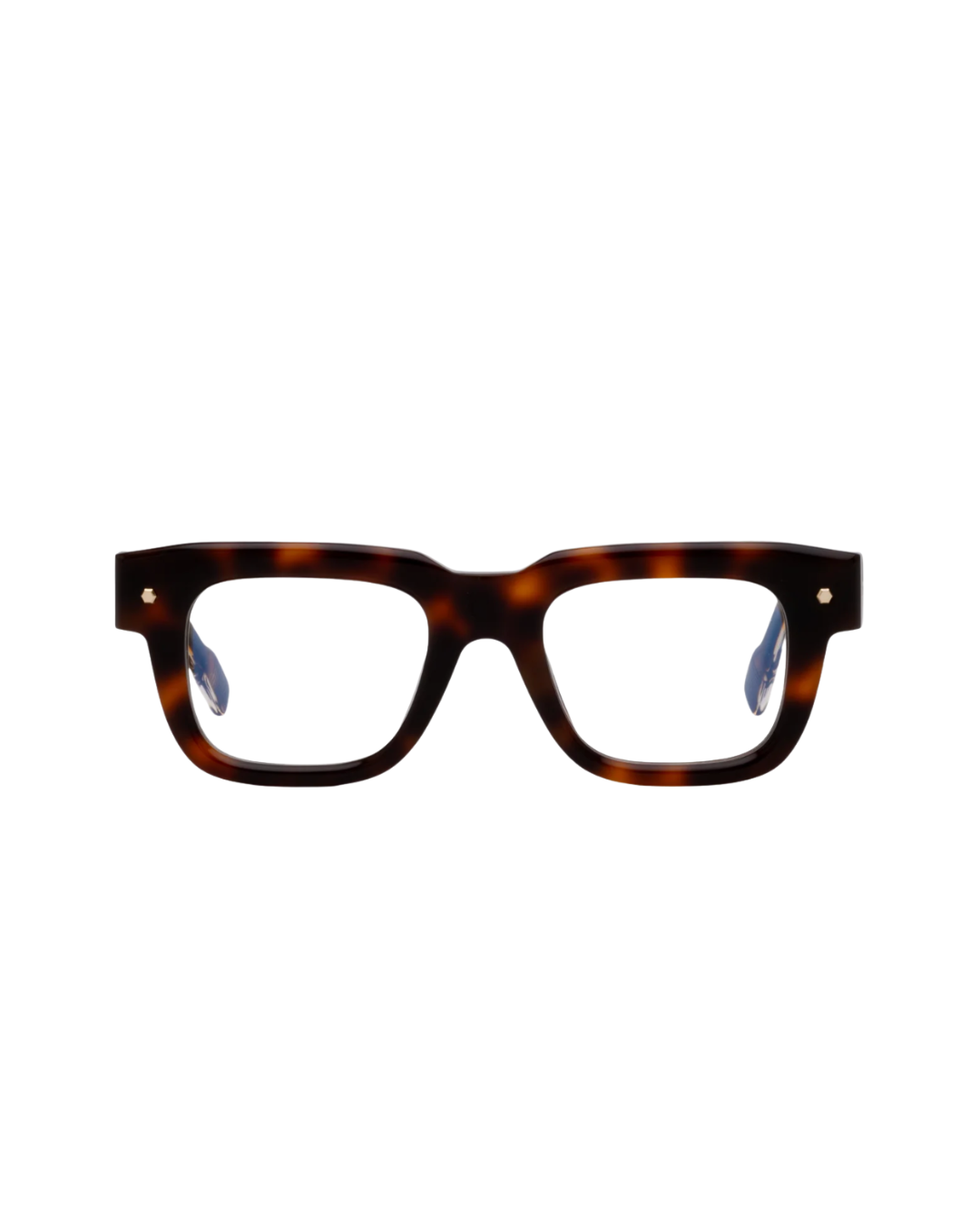
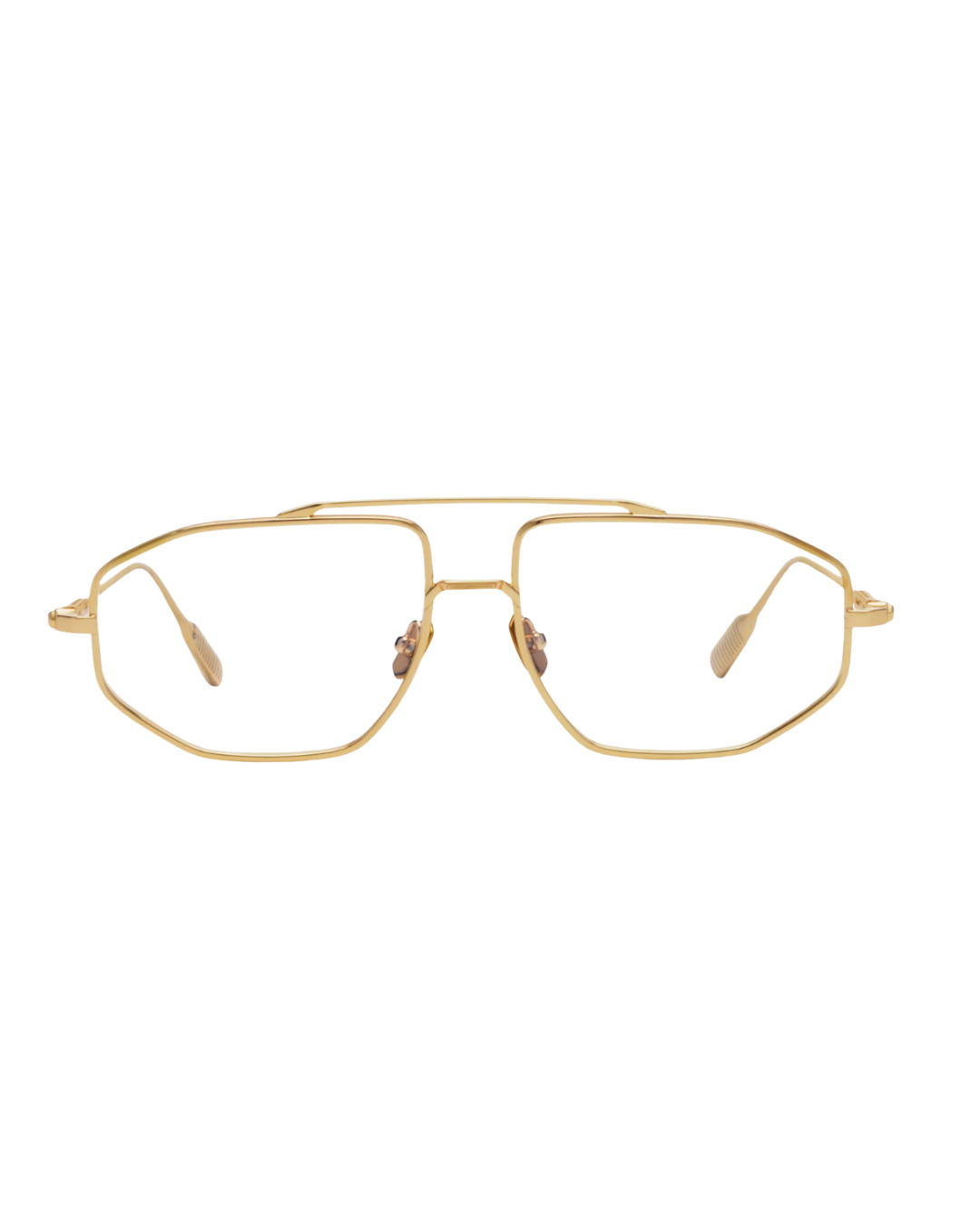
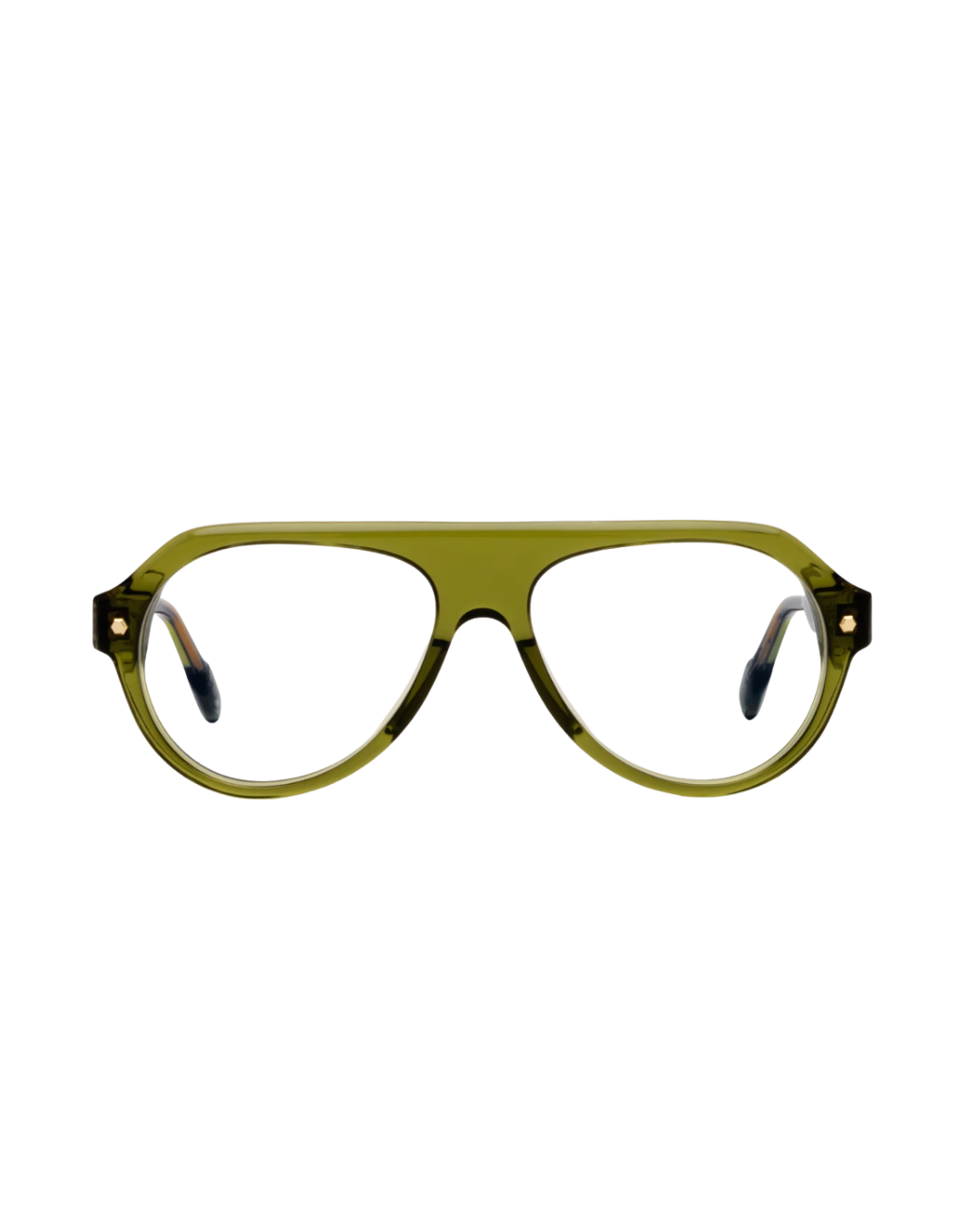
The first port of call is always reducing your exposure to pollen in the first place. Hay fever's technical term is allergic rhinitis, meaning an allergen (in this case, pollen) is the trigger. Showering before bed to rinse pollen from hair and skin, wearing wraparound glasses outside, applying a thin layer of lip balm around the nostrils to trap pollen before it enters, and running an air purifier indoors are all solid starting points.
But when symptoms still won't budge, the Grounded community has been sharing what actually works for them. Not what the science says, but how they actually feel. Here's what came through.
Local Honey
This was the remedy that came up most often in your messages, and it's also the most appealing. The idea is simple: eating local honey (ideally sourced within a few miles of your home) every day exposes you to small amounts of the local pollen contained within it, gradually building up a tolerance over time and, in theory, reducing the severity of classic hay fever symptoms. The thought process behind it is similar in principle to immunotherapy, where controlled exposure to an allergen slowly desensitises the immune system.
The catch, as many of you stressed, is that it takes several months to feel any real effect. Ideally, you'd want to start your daily spoonful in January or February, well before pollen season peaks. So if you're already sneezing, file this one away for next year and start early.
One important note: make sure the honey is genuinely local and raw rather than supermarket-blended, which is typically heat-treated and filtered in ways that remove most of the pollen content.
Capers
Not something most of us think about beyond a charcuterie board, but several Grounded readers swear capers play a key role in their hay fever routine. The reason? They're one of the richest dietary sources of quercetin, a plant compound often referred to as nature's antihistamine. Quercetin works by stabilising mast cells, the cells responsible for releasing histamine during an allergic response, which gives it both anti-inflammatory and antihistamine properties.
You'll also find quercetin in red onions, apples, broccoli, green tea and berries. It's available in supplement form too, and a number of clinical studies have shown genuinely compelling results: a 2022 review published in Nutrients found quercetin supplementation significantly reduced markers of allergic inflammation, supporting its use as a natural antihistamine. Worth adding to your plate, and potentially your supplement shelf.
Stinging Nettles
Despite being dubbed a weed in modern culture, stinging nettles have a long history of medicinal use, and hay fever relief is among their most well-documented benefits. Nettle tea and nettle extract have been linked to anti-inflammatory and antihistamine effects, with some research suggesting they may inhibit the same histamine receptors targeted by conventional antihistamine drugs.
Young leaves are considered the most potent, and if you're lucky enough to have nettles growing nearby, they're free to forage (just wear gloves, pick away from roadsides and avoid any areas accessible to animals). Nettle tea bags are also widely available in health food shops if foraging isn't your thing.
Acupuncture
Beyond food and supplements, several of you have praised acupuncture as an effective hay fever solution, and there's a growing body of evidence to support it. A randomised trial published in Annals of Internal Medicine found that patients who received acupuncture alongside antihistamines reported significantly greater improvements in hay fever symptoms compared to those taking antihistamines alone.
As the White Hart Clinic explains: "Regular acupuncture can improve the body's immune system and general wellbeing, and hence reduce symptoms of allergic rhinitis. During hay fever season, treatment will focus on minimising acute symptoms and may include needling local points on the head or around the nose, as well as cupping on the back." Given acupuncture's known ability to reduce inflammation and calm the nervous system, the crossover to hay fever relief makes a lot of sense.
Eucalyptus Oil
For many hay fever sufferers, the blocked nose is the worst of it: that stuffy, can't-breathe feeling that drags through the day and wrecks sleep. Enter eucalyptus oil. One Grounded reader swears by adding a few drops to a diffuser an hour before bed, and it's a tip backed by some solid reasoning. Eucalyptus contains a compound called cineole (also known as eucalyptol), which has been shown in research to act as a natural decongestant, reduce sinus inflammation and support easier breathing.
Beyond the nose, eucalyptus has long been associated with improved focus and reduced fatigue, stress and anxiety, which makes it a useful ally when feeling run down by symptoms. A few drops in a steam bowl (drape a towel over your head and inhale for a few minutes) can also provide more immediate relief during the day.
No items found.




.png)
.png)