Birds, Botanicals and Meteorites: The Organic Inspirations Shaping Haute Couture
As Dior, Schiaparelli and Chanel looked to flowers, fossils and feathers, nature emerged as the quiet force behind some of couture’s most poetic and powerful designs.
.webp)

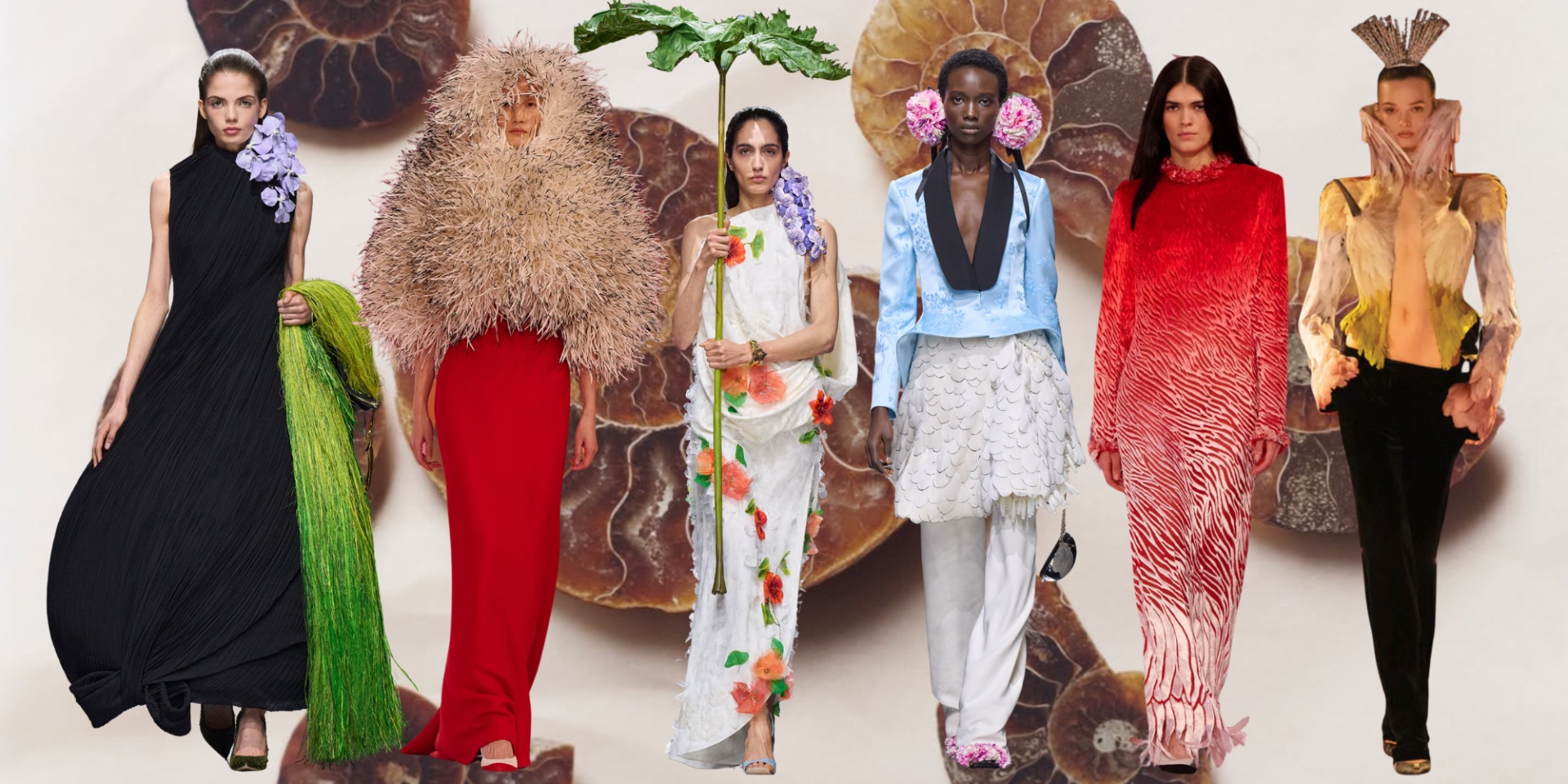
Supersized mushrooms, a scorpion tail, plumes of feathers, and bunches of cyclamen gifted from one legacy creative director to another formed the basis of Paris Haute Couture Week — the moment when luxury fashion houses get to flex their creativity and atelier expertise through made-to-order pieces designed for red carpets and galas. Creations so intricate they far surpass anything we’d wear every day. And yet, it was clear that the driving force behind these highly revered designs stemmed from something we all have access to: nature.
“When you copy nature, you always learn something. Nature offers no fixed conclusions, only systems in motion – evolving, adapting, enduring,” read the Dior Haute Couture show notes, highlighting bunches of cyclamen given to Anderson by a former Creative Director of Dior, John Galliano, as just one of the sources that sparked inspiration.
“Haute couture belongs to this same logic. It is a laboratory of ideas, where experimentation is inseparable from craft, and time-honoured techniques are not preserved as relics but activated as living knowledge. It is also a way of seeing – an interpretive lens through which the present is examined, reassembled and imagined anew. Urgent. Subtle. Precise,” they continue. And with oversized hand-painted orchid earrings, bags studded with ornamental stones, and shoes embellished with trompe-l’oeil scale effects and silk cyclamen petals, these nods to the natural world couldn’t be clearer.
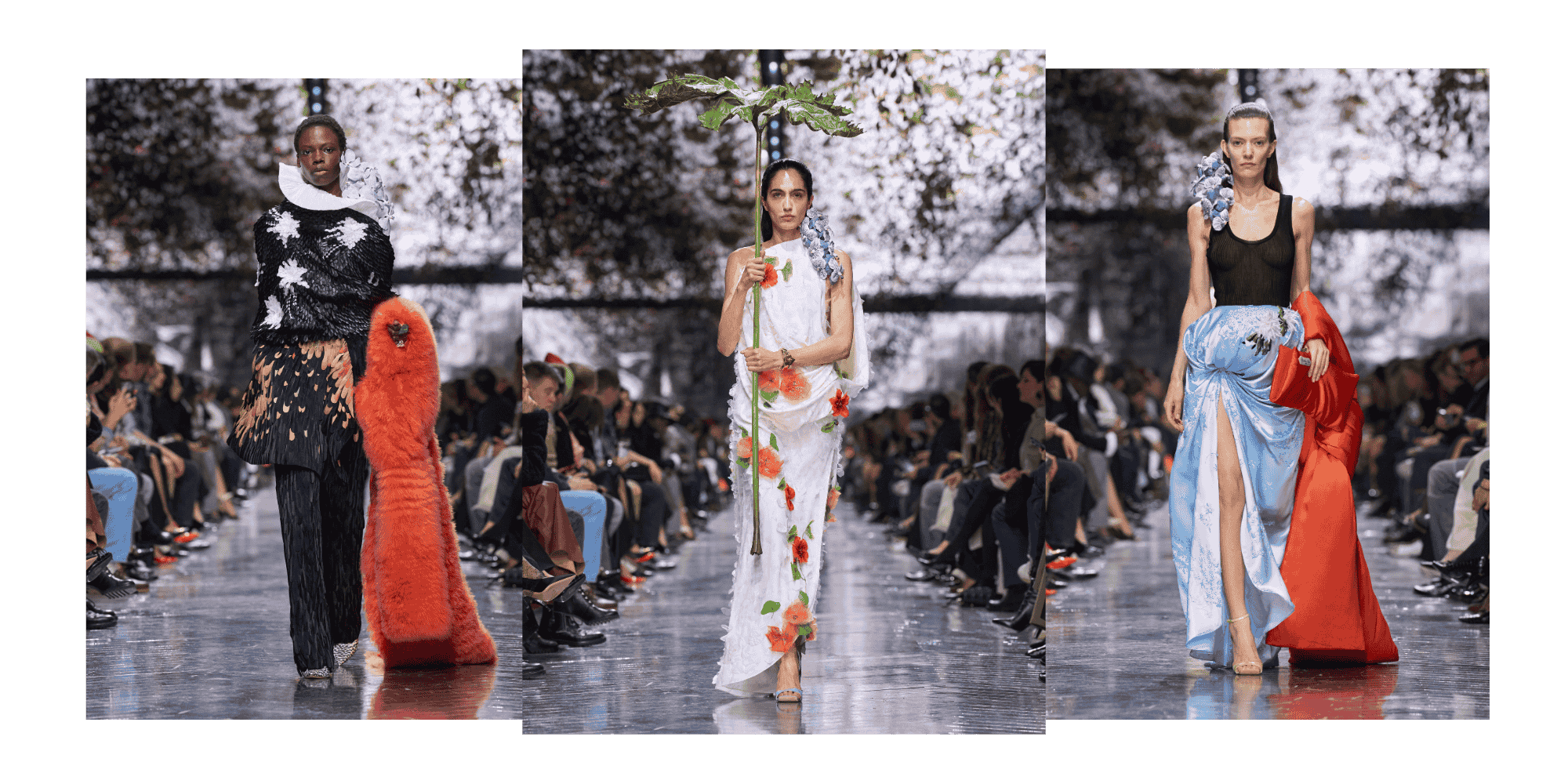
“Dior Creative Director Jonathan Anderson is drawn to objects marked by time: materials that carry memory, utility or prior meaning. Meteorites and fossils shaped over millennia, 18th century fabrics and portrait miniatures are approached not as precious artefacts, but as catalysts which, once reworked, acquire renewed relevance and function,” the show notes add, plucking labradorites, ammonites, opal, azurite, aquamarine, and iron octahedrite meteorite found across Madagascar, Ethiopia, the USA, Brazil, and Morocco as just a handful of these memory-carrying materials. Their colours, structures, and patterns echoed throughout the collection. For others, however, it was animals that brought the most intrigue.
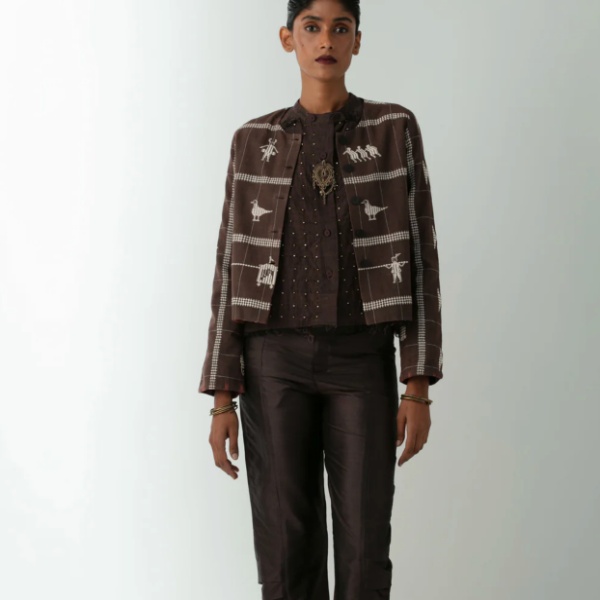
Daniel Roseberry, creative director of Schiaparelli, writes of his show, “the accessories in the collection bristle with artificial bird’s heads — sculptures made from silk feathers, their beaks rendered from resin, their eyes from pearl cabochons — homages to nature and all its majesty”. We’re told no birds were harmed in the making of these pieces, only adored. Add to this the dynamic designs of scorpion tails, snake teeth, and arachnid elements, in what he dubs “infantas terribles”, the heroes of the collection, and it’s apparent that inspiration came from a wide-spanning range of nature’s creatures.
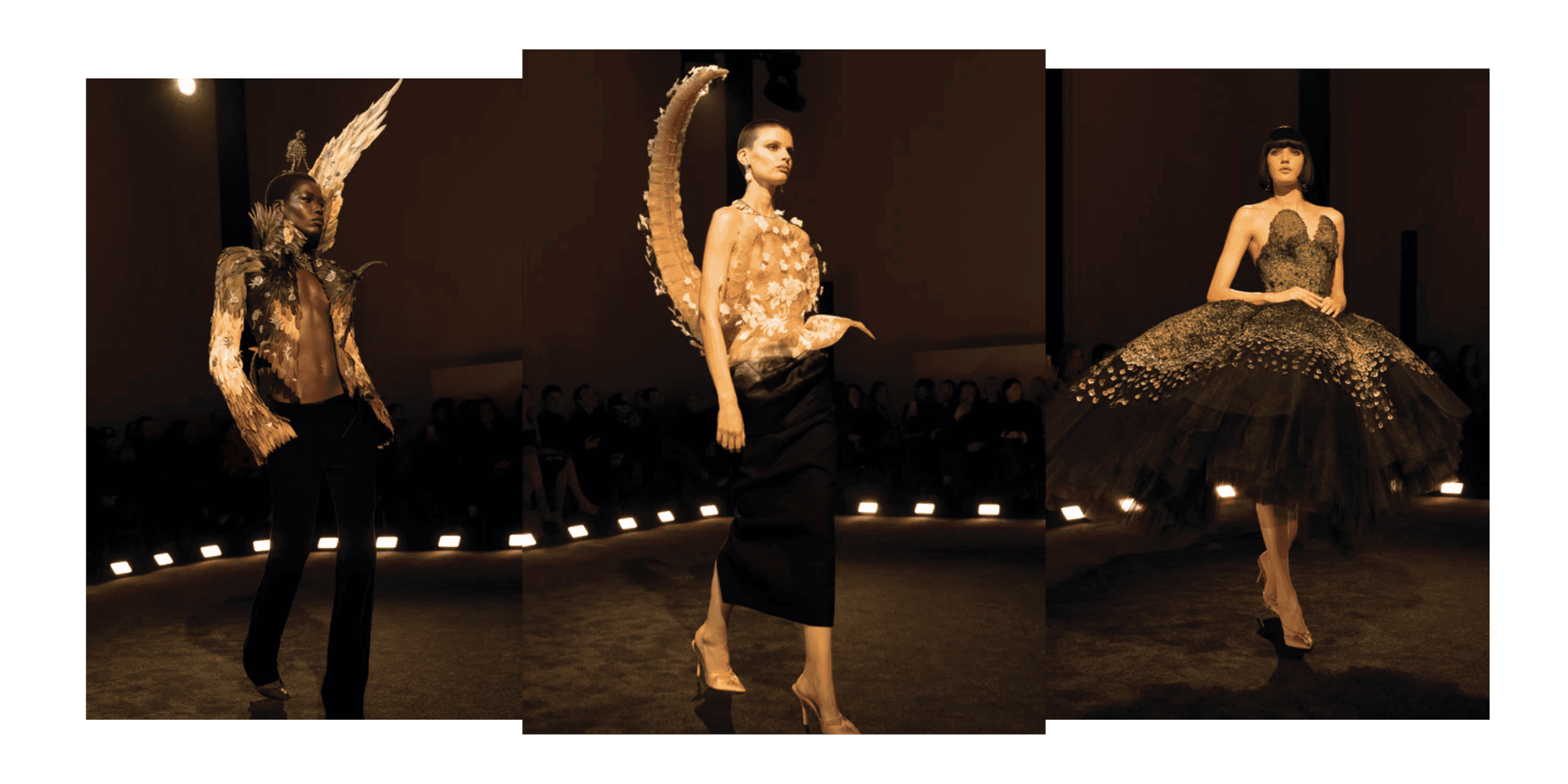
This fascination with drawing animals into fashion, however, is nothing new. Roseberry even traces it back to the House founder Elsa Schiaparelli’s own archives. “They’re fantasies, yes, but they also allude to Elsa’s own, famous fascination with animal life, particularly creatures of the sea and the sky — who, after all, can forget her interest in the lobster, the ultimate scaled creature, and an animal indelibly associated with the Maison she created? Along with her signature love of wildlife, there are nods as well to the iconographies she made her own, most notably the keyhole, that portal to mystery,” he adds.
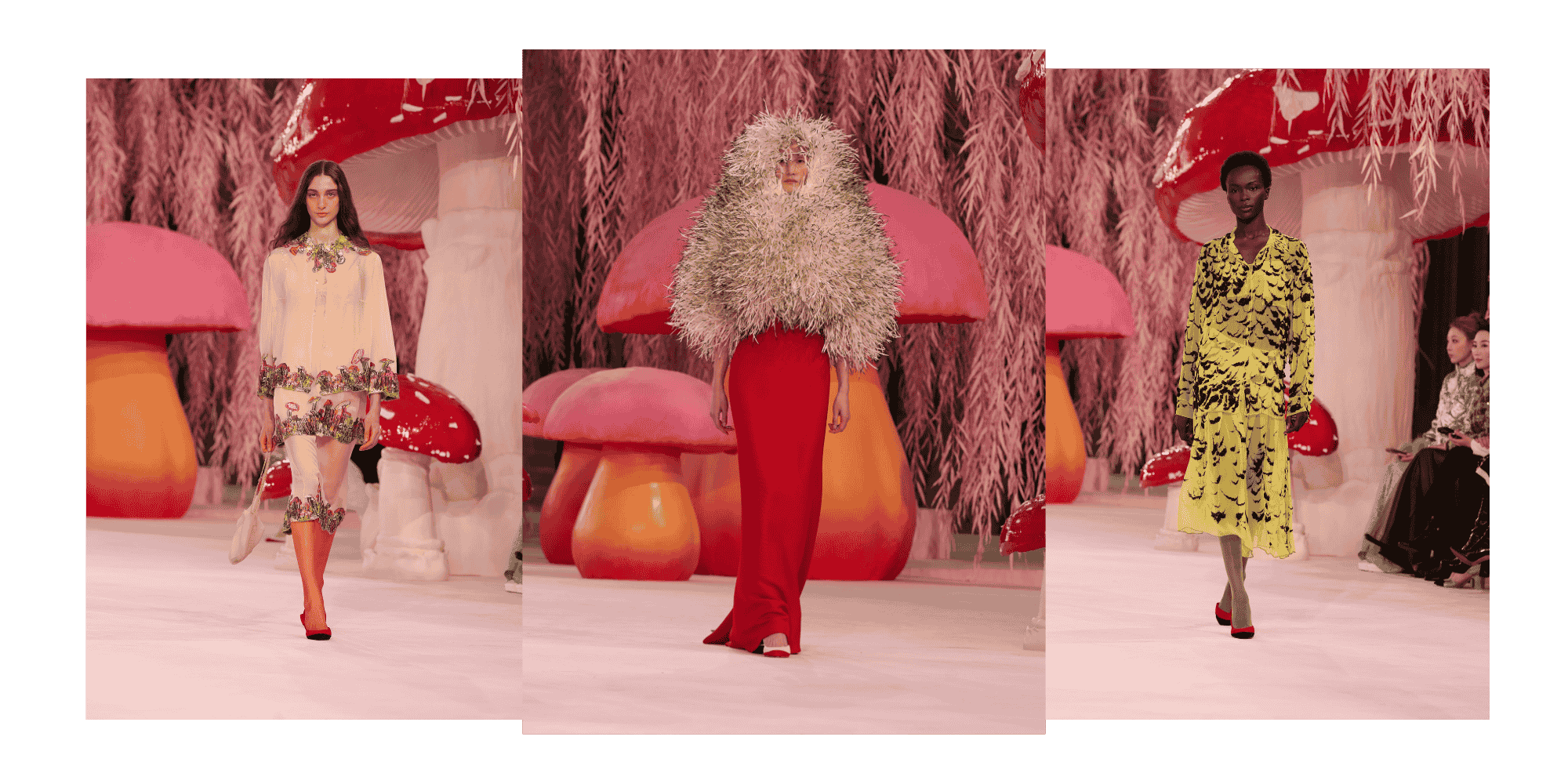
And over at Chanel, a similar vein of inspiration continues, as Matthieu Blazy’s first Haute Couture show put birds front and centre, staging the collection in a whimsical landscape of oversized mushrooms and pink willow. “A host of birds appear from the domestic to the exotic: the simple grey pigeon to the extravagant pink spoonbill; the linear heron to the crested cockatoo. Like a conspiracy of ravens, or a mischief of magpies, the birds congregate around towering mushrooms in an enchanted willow wood, then disappear, free to fly away,” reads the show notes.
“Here, birds are seen as ultimate symbols of freedom – or simply as themselves. The natural world metamorphosed, or merely celebrated,” they continue. Proving, yet again, that the beauty around us every day — from a humble mushroom to a city pigeon — is worthy of inspiring even the most luxurious of settings. Consider it a lesson to look closer.
No items found.

.png)
.png)