Basics Of An Anti-Inflammatory Diet
From aches and fatigue to deeper health concerns, chronic inflammation can show up in subtle ways. Here’s how an anti-inflammatory diet, rooted in whole, nourishing foods, can help restore balance.
Inflammation is our body’s natural way of responding to injury or illness. It signals that something is wrong, and usually comes with a range of symptoms such as aches and pains, swelling, fever, loss of appetite, and more. This is what medications such as ibuprofen, aspirin, and naproxen aim to reduce, often keeping symptoms at bay. But although many of us have some level of inflammation at any given time, when inflammation becomes chronic, due to stress, environmental factors, major injuries, or lifestyle, it can contribute to long-term health problems.
One of the best ways to fight inflammation? Adopt an “anti-inflammatory” diet. This isn’t a rigid meal plan, and it can look different for every person. Instead, it’s a style of eating that emphasises whole, minimally processed, nutrient-dense foods, and reduces foods known to trigger inflammation, like excessive sugar, refined grains, processed meats, trans fats, deep-fried items, and overly processed snacks (now popularly known as UPFs, or ultra-processed foods).
The benefits of such a diet include a reduction in oxidative stress, improved heart health, more stable blood sugar, and, most importantly, sustained energy levels. An anti-inflammatory diet can also support your gut microbiome, skin health, and immune function.
When combined with lifestyle changes such as good-quality sleep, proper hydration, and seeking the right treatment for existing conditions, an anti-inflammatory diet can help lower overall inflammation in your body. And if you’re wondering what foods to focus on, below I’ve shared my tips for mindful eating to include in your routine.
Best Anti-Inflammatory Foods
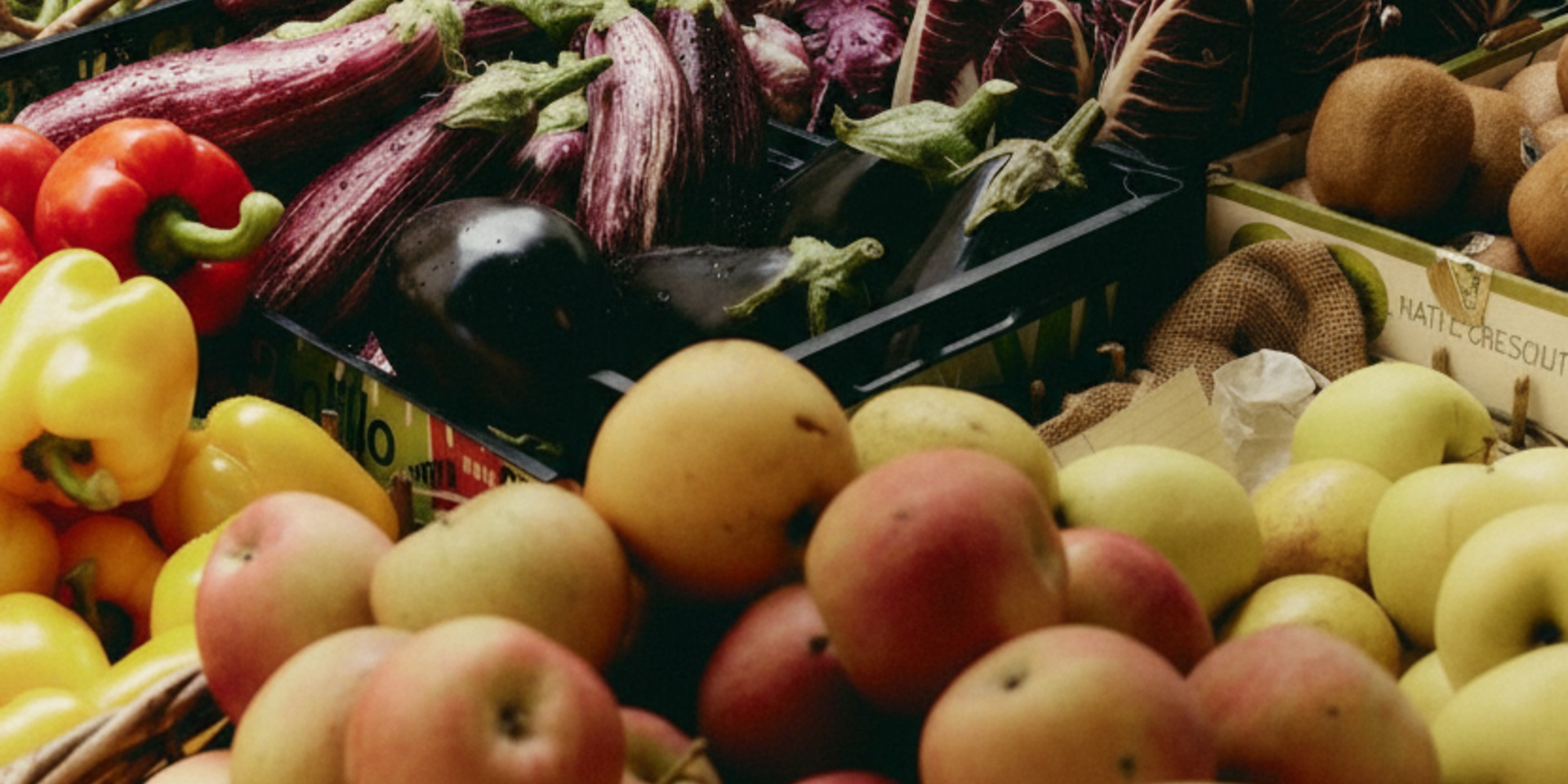
● Fresh fruits and vegetables, especially colourful produce, leafy greens, berries, and beets, are rich in antioxidants, vitamins, and fibre. Try to eat seasonal fruit and vegetables and aim for 2–3 different colours on your plate at every meal.
● Healthy fats such as extra-virgin olive oil, whole nuts and seeds (like flax, chia, walnuts), avocado, and olives supply beneficial mono- and polyunsaturated fats. Pairing good fats with sugars (such as fruits) can help regulate blood sugar spikes.
● Omega-3 rich foods such as fatty fish (salmon, sardines, mackerel, herring) and walnuts, chia seeds, flaxseeds, and their oils are great for reducing inflammatory markers and supporting heart and joint health.
● Whole grains and high-fibre foods, including wholegrain bread/rice/oats, legumes, and beans, support gut health and can help regulate inflammation. Ensure you cook legumes and beans well so that they are easy to digest and don’t put too much strain on your gut.
● Herbs, spices, and antioxidant-rich additions such as garlic, ginger, and turmeric are good for reducing inflammation and adding flavour without excess salt or processed sauces. They’re especially great in the winter season when added to soups, curries, and homemade sauces. And sipping on fresh ginger and lemon or lime juice with warm water when you have the flu is a soothing way to add these to your routine.
No items found.





.png)
.png)