
What Happens When Craft Is Part Of Everyday Life
For Elena Kayser, creativity didn’t arrive as a sudden calling. It grew slowly, through materials, making and a family workshop that taught her how ideas take shape. Here, she tells the story of Studio Ena.
.webp)

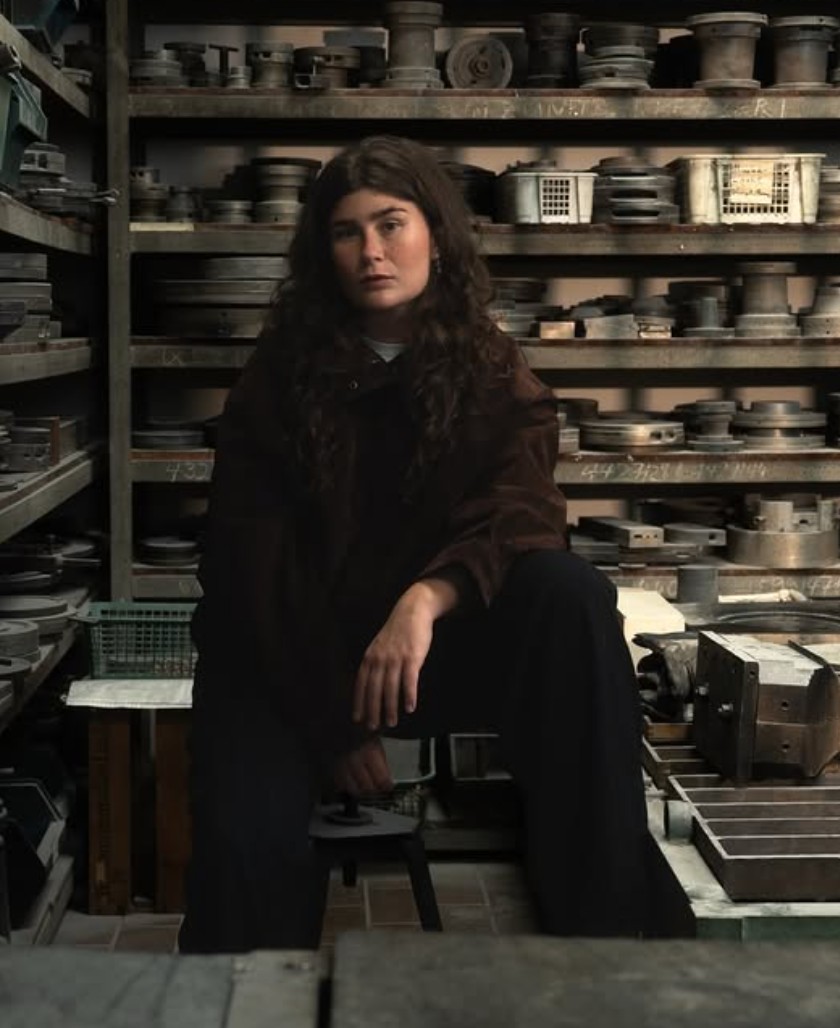
Some creative paths don’t begin with a single moment of decision. They form slowly, shaped by what surrounds you. For me, that path runs through a pewter workshop in St. Ingbert, where my father has worked for more than three decades.
The workshop operates under the name Kayserzinn — once the largest German pewter factory of the 19th century, with a history closely tied to the Art Nouveau period. Its designs were known for their clarity, organic lines and functional approach, which was far ahead of its time.
As a child, however, the workshop was never a place defined by history. It was simply part of everyday life. The sounds, the tools, the conversations about orders and responsibility — none of it felt romantic or intimidating. It was just there. Work was always visible. Mistakes stayed in the material. Decisions had consequences. This shaped me early on and gave me a clear understanding of how closely craftsmanship and attitude are connected.
Looking back, it feels almost inevitable that I would end up in a creative field. As a child, I wanted to become a fashion designer. Later, the question was no longer whether I wanted to create, but how — and with which material. Applying to an art academy wasn’t part of a long-term plan; it was an attempt, a way of testing something new. The act itself brought clarity.
During my product design studies, the workshop became important again, but in a different way. It was no longer the backdrop of my childhood, but a practical counterpart to academic design. It was there that I learned ideas only gain meaning when they are translated into material. My background stopped being a biographical detail and became a resource I could actively work with.
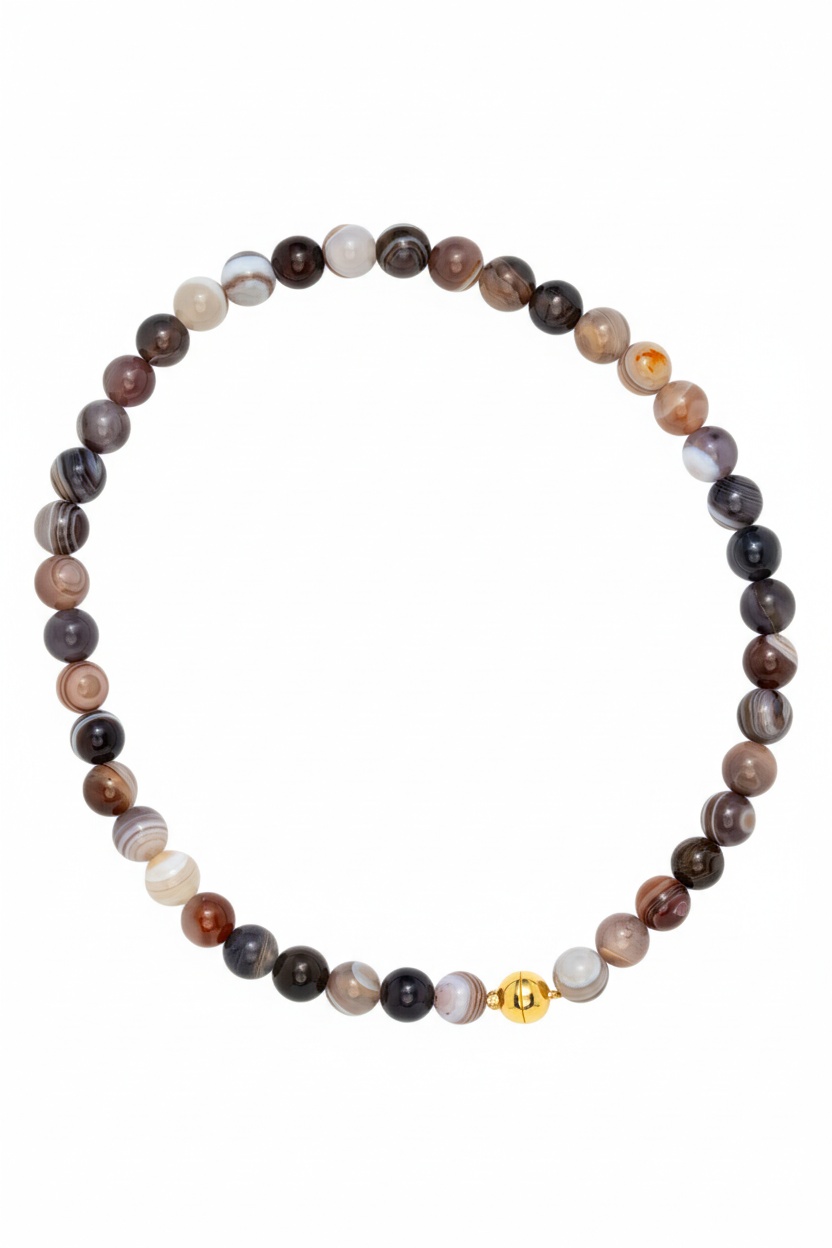
In 2020, during a course, I created the first project that would later grow into Studio Ena. The task was simple: to develop a product that could genuinely be sold. I chose jewellery because it is immediate and physical. A piece can be held, turned in the hand and judged instantly. What began as an experiment became an ongoing practice, guided not by strategy but by a desire to work with design in a direct and honest way.
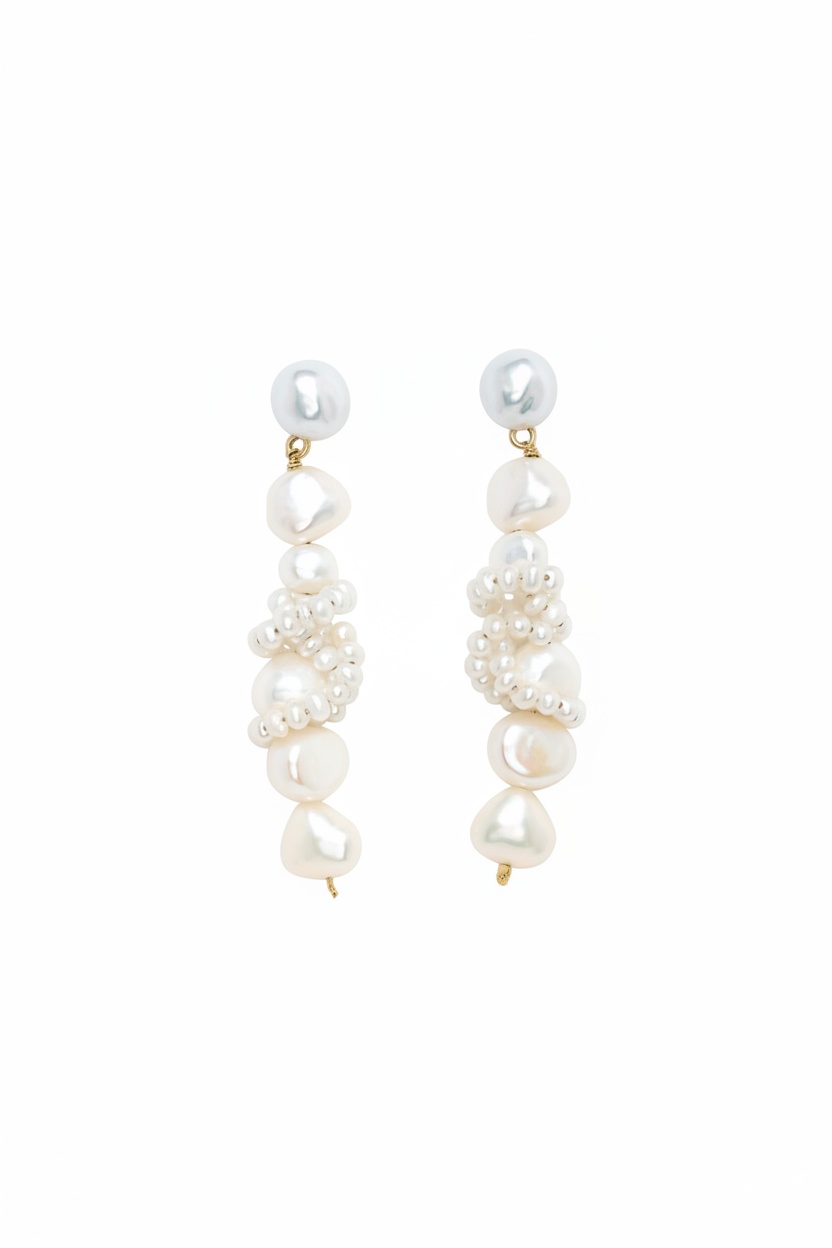
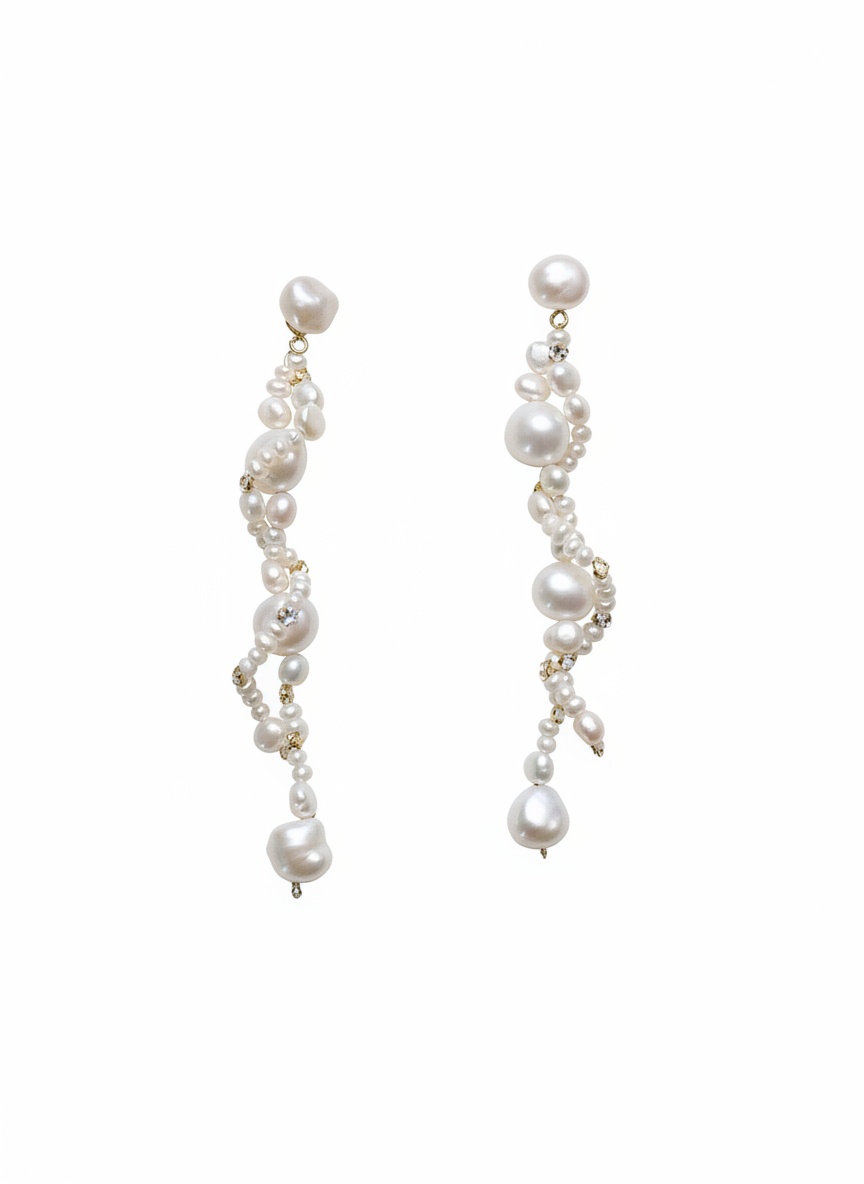
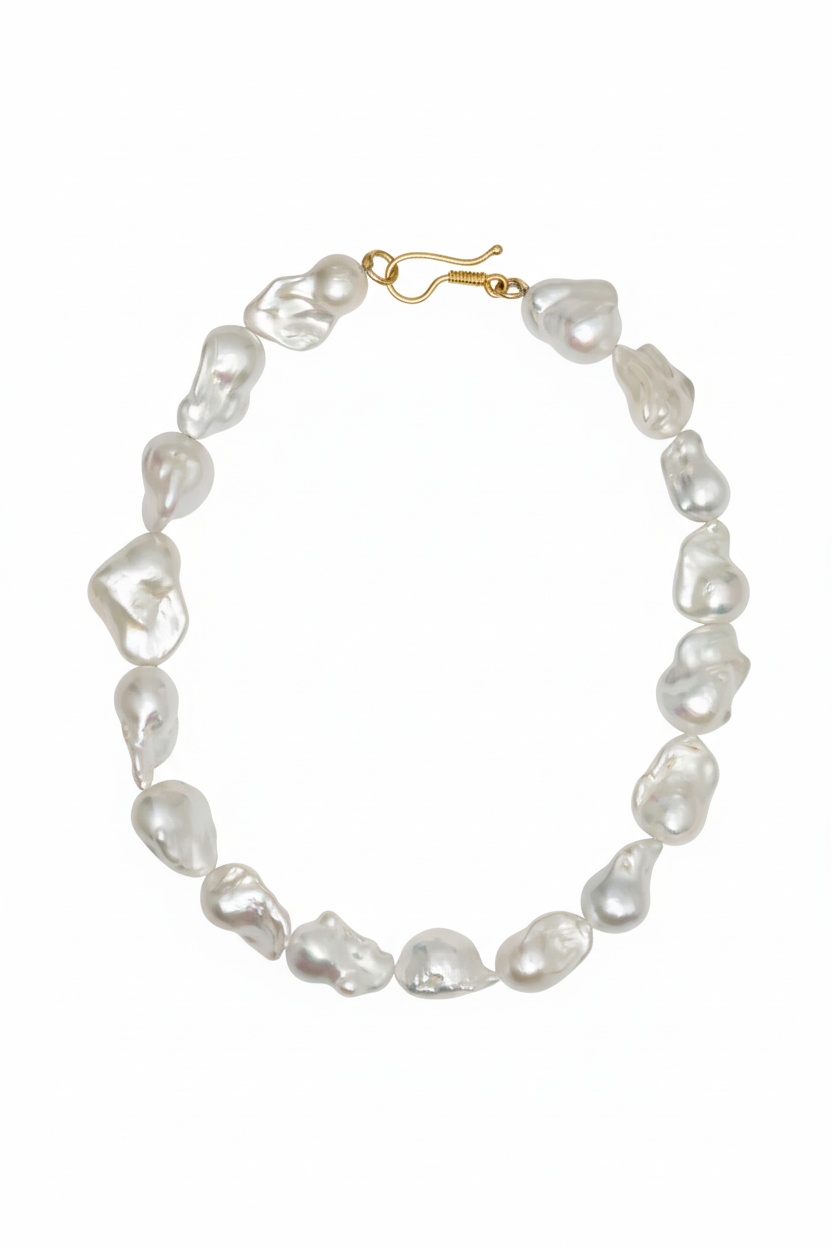
Studio Ena grew slowly: first individual customers, then stores. I describe my designs as reduced and slightly playful. They are intentionally not perfect. Baroque pearls became a central element, each one carrying its own character, no two alike. Working with them creates a dialogue between material and hand that has come to define the language of the label.
At the same time, pewter — the material tied to my family’s history — began to reappear in my work. Some historic forms still exist. I am the first woman in my family to continue this field creatively. For me, pewter is not a nostalgic project but an open space: a material I know deeply, yet one I can reinterpret freely. My background became something flexible, capable of evolving rather than remaining fixed.
What connects my work is not a strict aesthetic formula, but an attitude shaped by precision, respect for materials and a willingness to make decisions with intention. My understanding of creativity follows the same logic. It isn’t about sudden inspiration, but about allowing ideas to form and then translating them into something visible. It is a process that grows slowly, clearly and through doing.
Studio Ena is not a departure from my origins, but a continuation of them, bringing craftsmanship, experience and contemporary design into a shared practice.
No items found.