Craft Through A Modern And Feminine Lens
From British boutiques to Indian ateliers, Nikki Sher traces a personal lineage of making and meaning, exploring why craftsmanship, not logos, remains the true marker of luxury.
https://xgto0n9mfn.ufs.sh/f/OjaR0IRNELV9LcVuHGZXkP3STuVIxevKJl2D4ZqM7cEygnNo
https://xgto0n9mfn.ufs.sh/f/OjaR0IRNELV9LcVuHGZXkP3STuVIxevKJl2D4ZqM7cEygnNo
.webp)

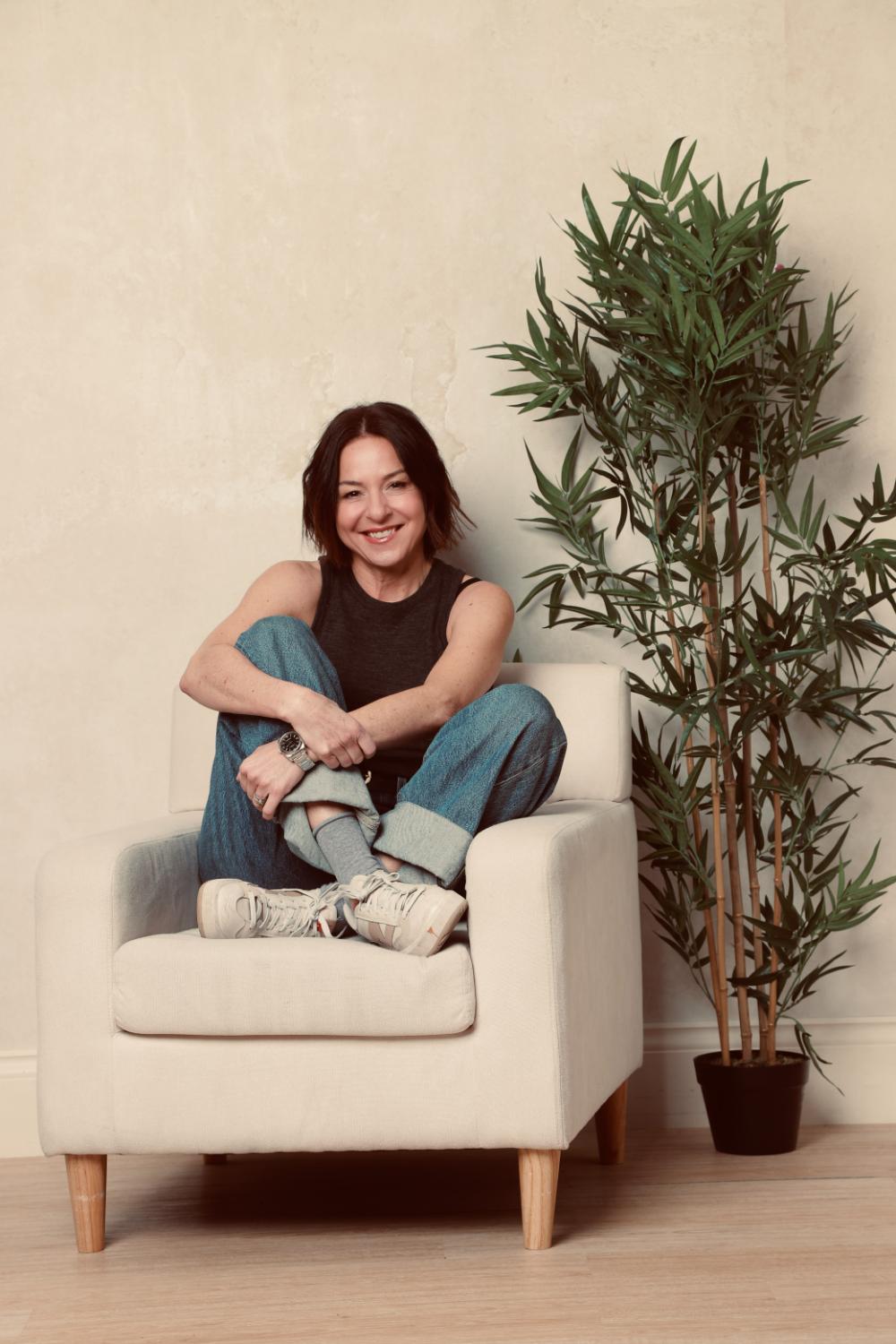
My relationship with fashion began long before I could articulate it. As a child in my mother’s designer clothing store in Surrey, I spent hours watching women step out of fitting rooms and encounter their own reflections. I wasn’t watching clothes, I was witnessing transformation. The softening of a jawline, the sudden lift of a shoulder, the quiet moment of recognition when someone saw themselves in the right piece. Those early years formed the foundation of my understanding: clothing can recalibrate a person's mood, posture, even their sense of self. That instinct, fused with empathy, has shaped my career.
By twelve, I’d graduated from silent observer to Saturday girl, absorbing every nuance of how a boutique truly works — from the tactile pleasures of fabric to the genuine connection between customer and sales advisor. Payment came in the form of a chosen accessory, but the real education came from watching my mother work. She operated with a disarming integrity: she never feigned indifference. She either loved a piece or she didn’t, and that honesty made her clients feel seen, not judged. When she won the Drapers Record Lifetime Achievement Award in 2023, the last line of her speech — “Not bad for a girl from Leeds who left school at 15” — wasn’t just a moment of pride. It was validation of the provenance of my own instincts.
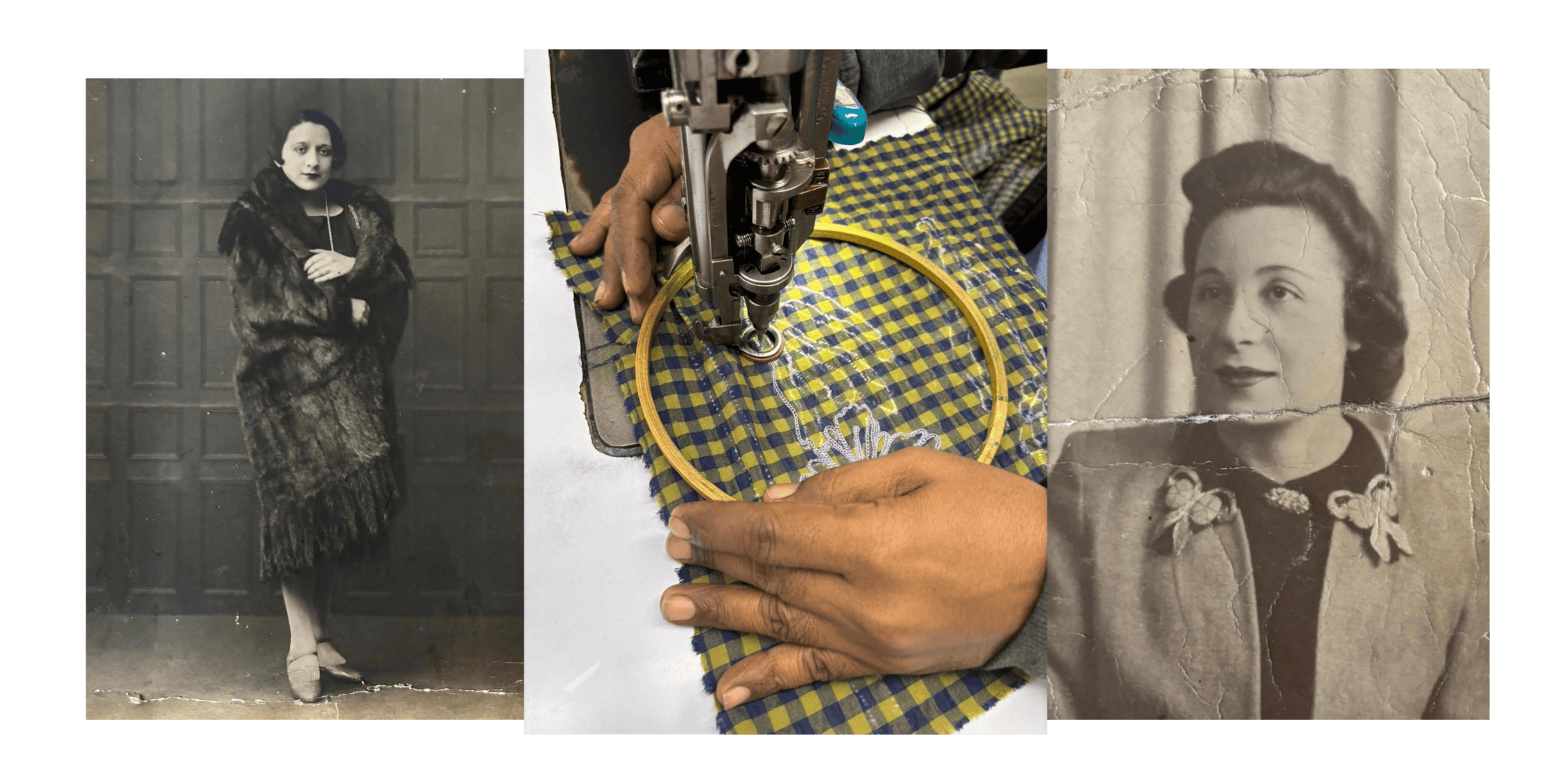
But those instincts run further back. My maternal grandmother managed Wallis by day and darned stockings by night, treating fabric with reverence. “Good cloth has a life in it,” she’d say as she coaxed worn textiles back into shape. My paternal grandparents ran a fashion business in Sussex, where the alteration room felt like a sanctuary of craftsmanship. I remember the hum of machines, the snip of scissors, and Polly, the head machinist, teaching me how a single purposeful stitch could transform a garment. Those memories taught me that fashion isn’t about decoration — it’s about devotion. So I think fashion must be in my bones, not the glamorous surface of it, but the lineage of hands, history and humanity that shaped my understanding of it.
That philosophy deepened during my decade as Head of Buying at Nicole Farhi. Working with Italian weavers, Japanese silk specialists, Irish linen makers and Scottish mills revealed the true essence of luxury: craft is culture, material has memory, and attention to detail isn’t a nice-to-have, it is the very reason luxury exists.
Later, during my years at TOAST, India transformed my understanding of craft entirely. There, I witnessed a creative ethos where making is an act of communication. Each piece carries the imprint of countless hands and the hearts of artisans whose skills are passed down through families; processes are slow, deliberate and meaningful. It is impossible to work within that world and view fashion as disposable. When something is made with genuine dedication, it becomes an object with presence, with soul.
This perspective, rooted in heritage yet attuned to the shifting tides of the industry, feels more urgent now than ever. Luxury prices have inflated to surreal heights, often severed from the craftsmanship that once justified them. Marketing has grown louder than meaning. And yet, the rise of resale platforms such as Vinted signals a quiet counter-revolution: people are seeking garments that endure — pieces that can be re-loved, re-lived, and passed on. Quality is no longer a luxury; it is a requirement for relevance.
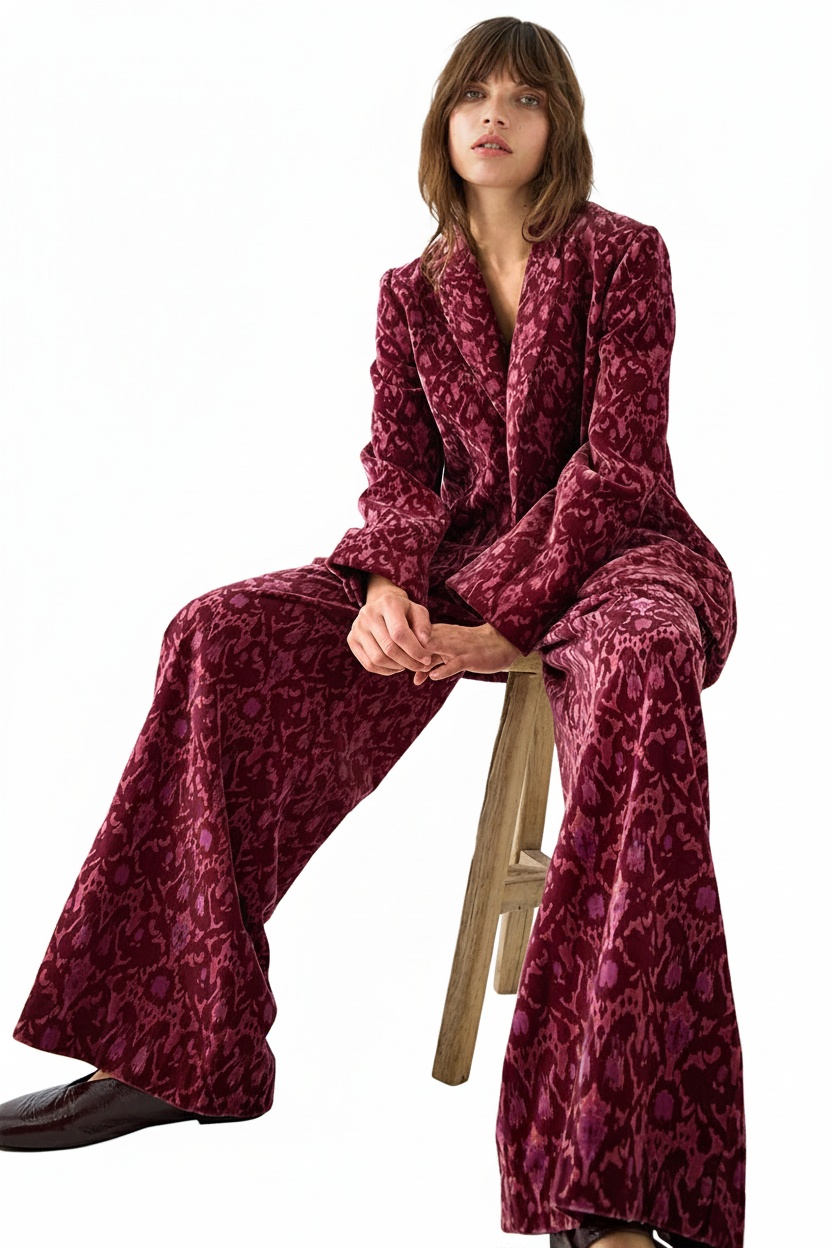
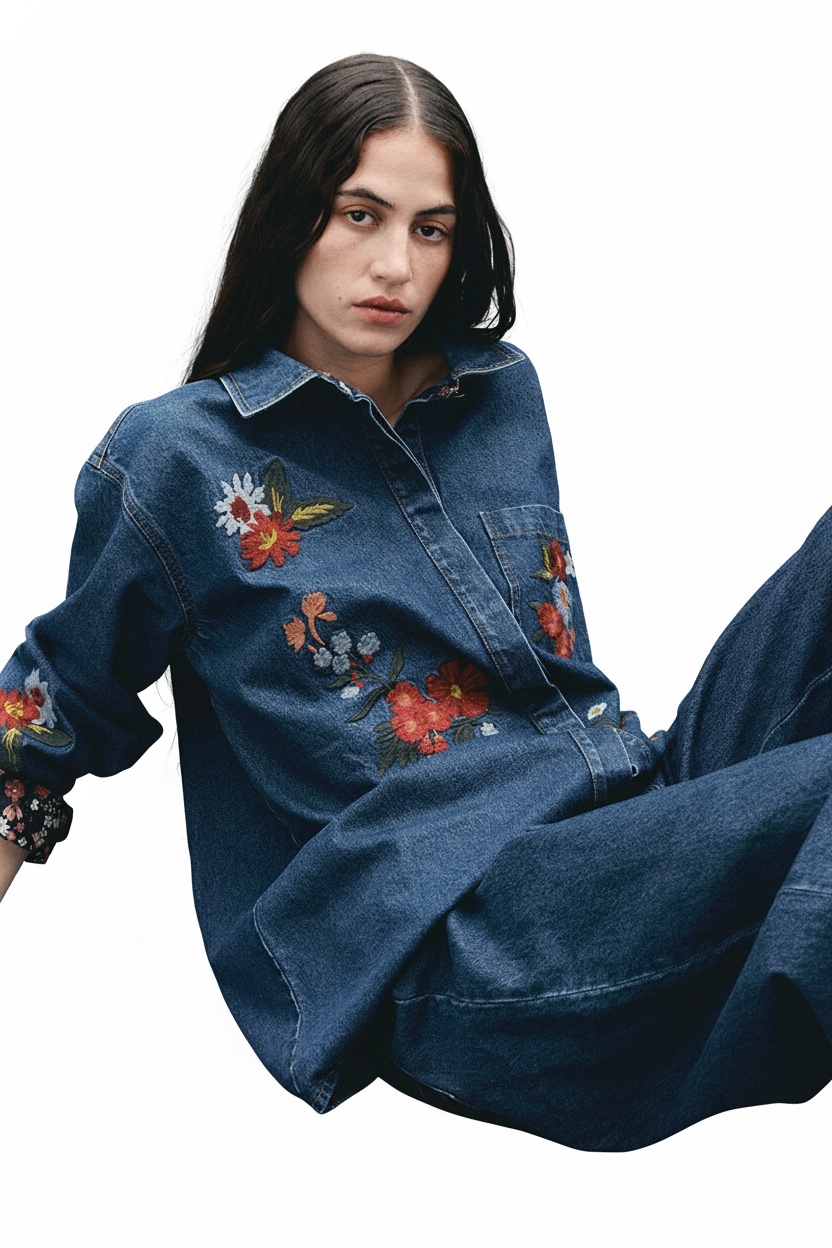
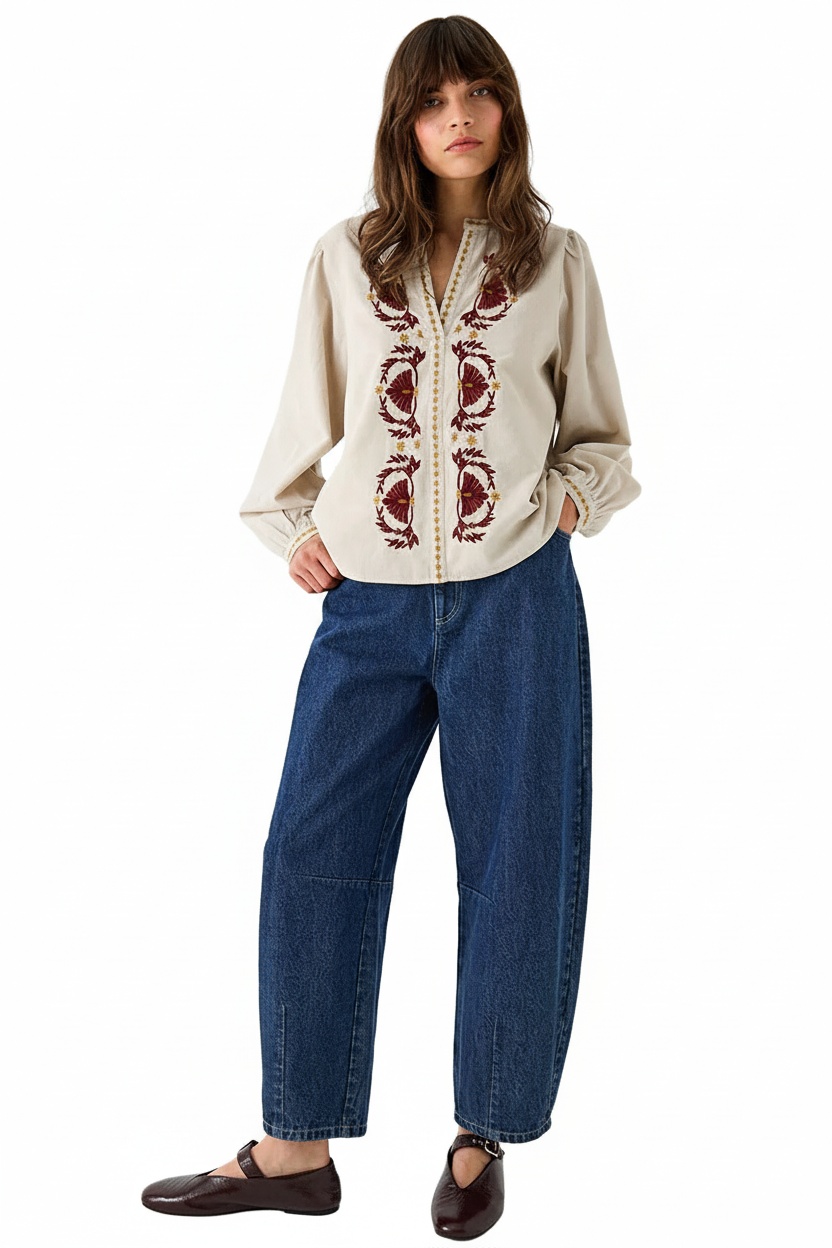
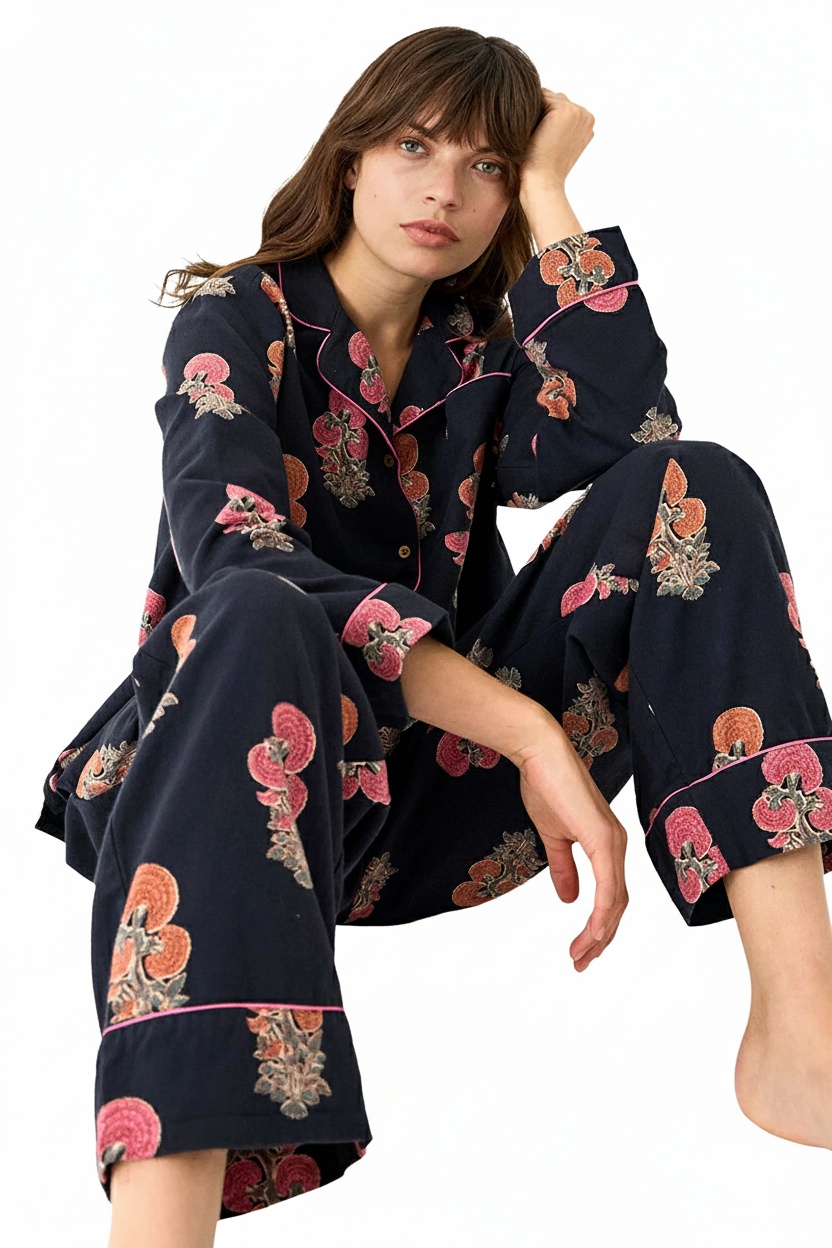
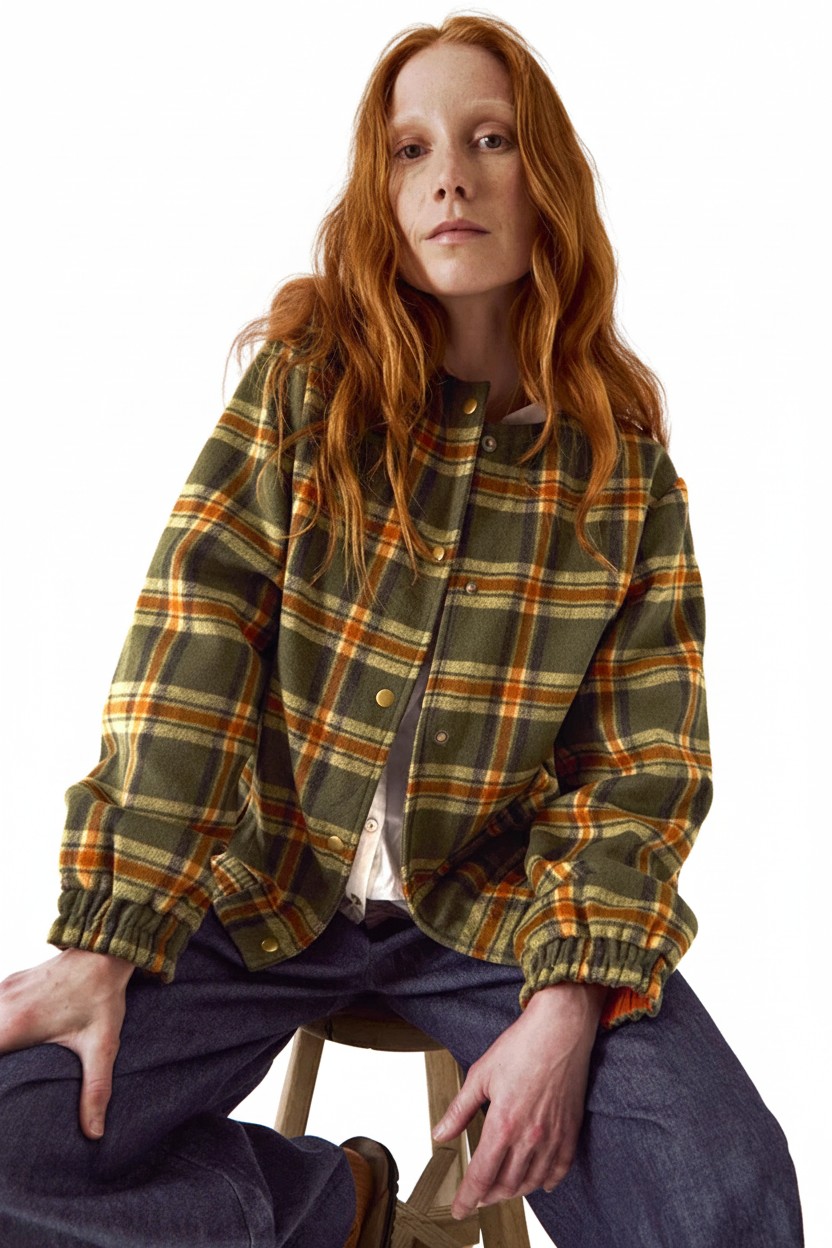
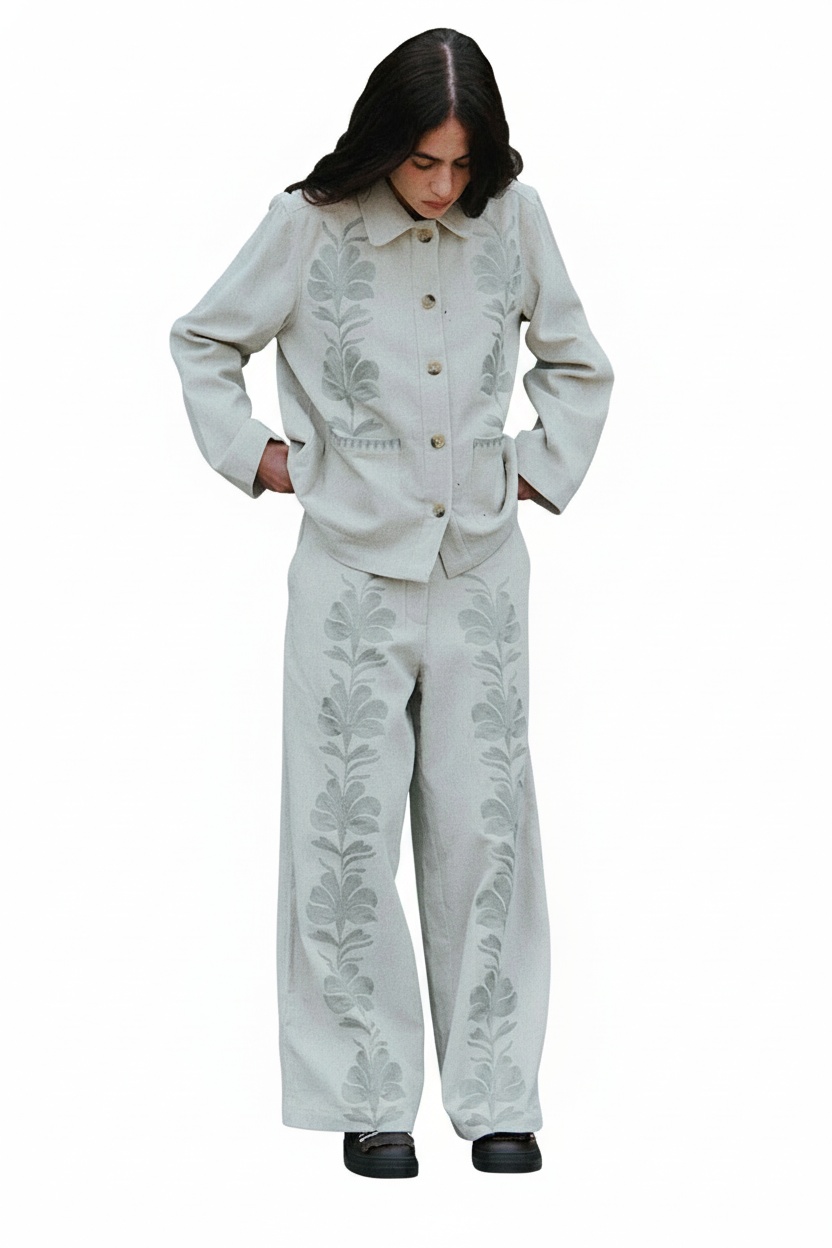
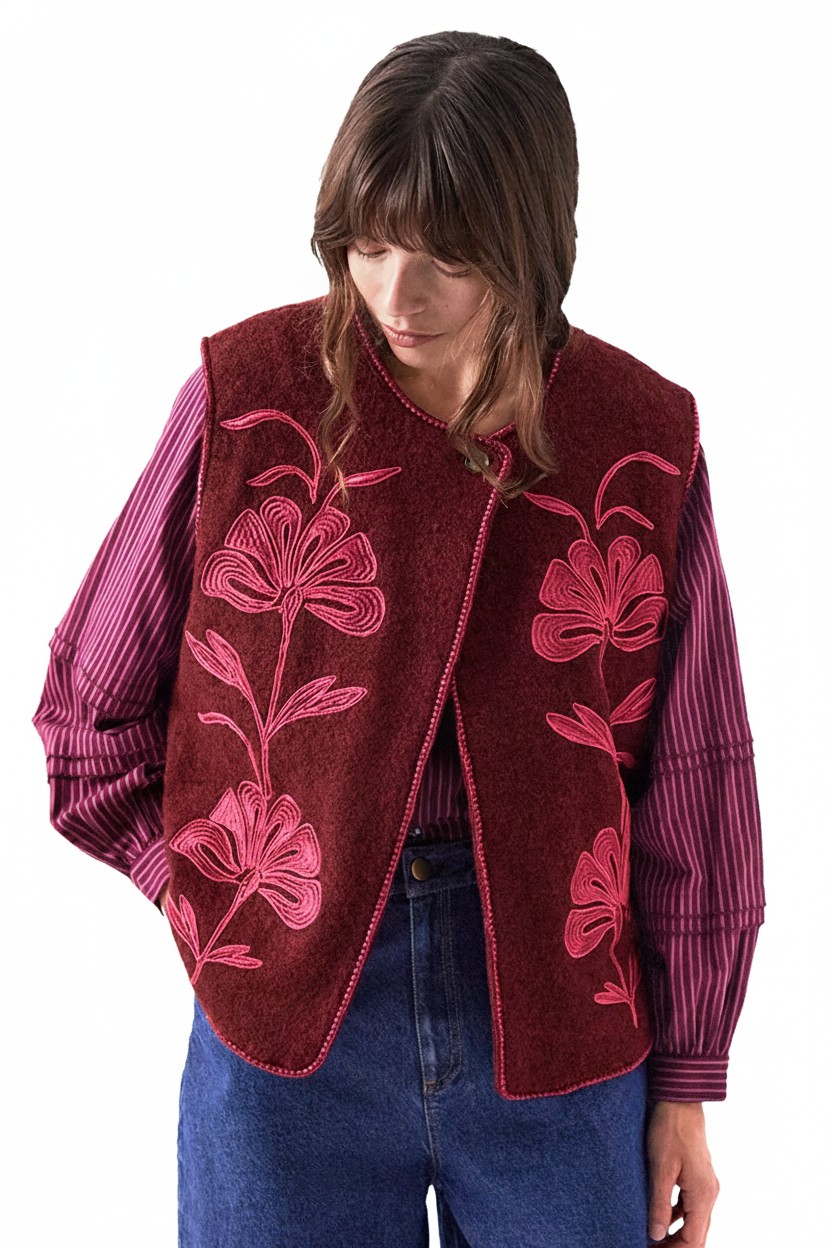
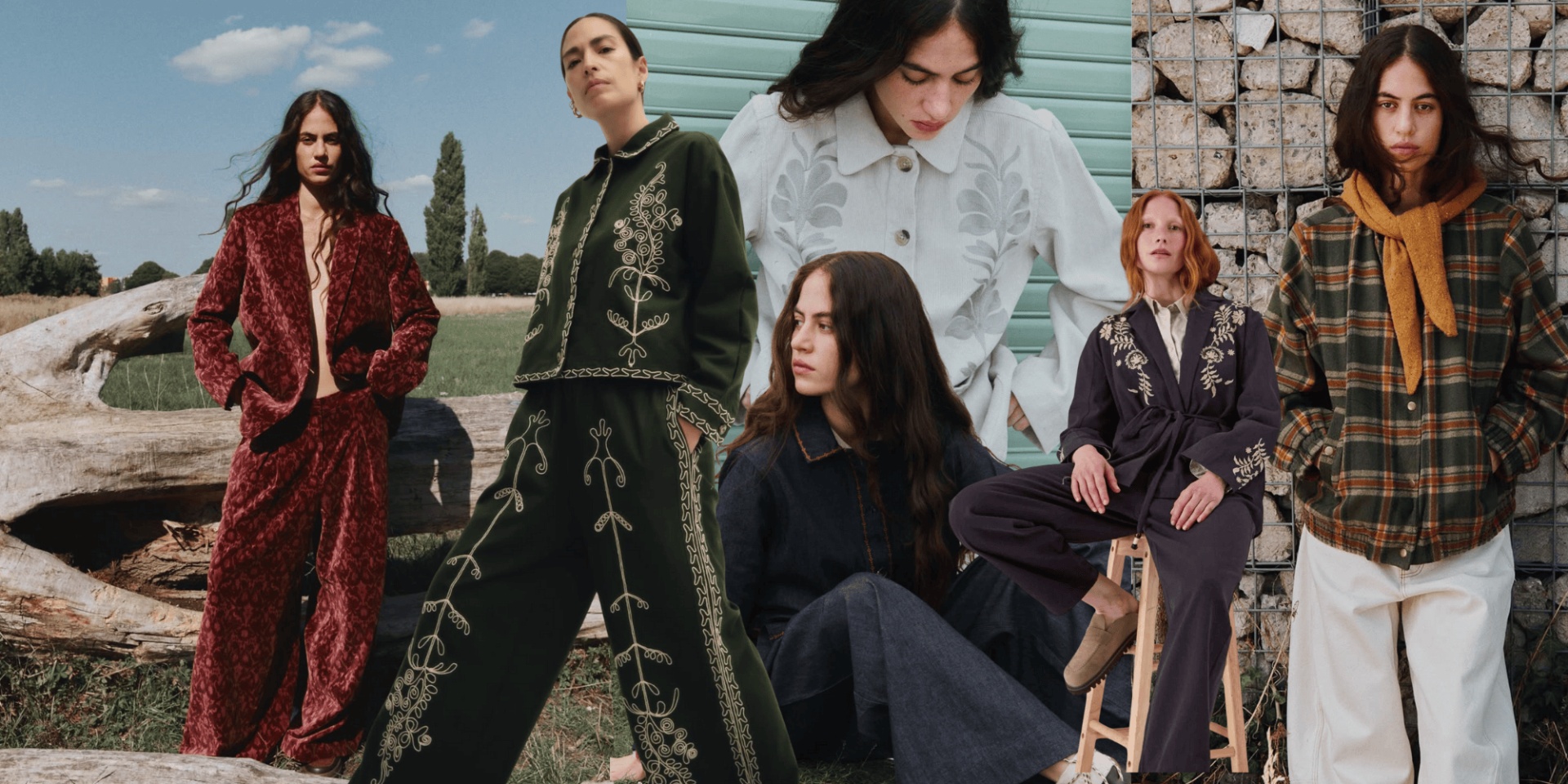
Which is why I found myself at East, a British brand with deep-rooted connections to India’s artisanal traditions, where this philosophy remains non-negotiable. If velvet is trending, we don’t stop at velvet — we hand-screen a print design onto the surface so the wearer receives something with personality, not just popularity. Prints become stories when rendered in true batik. Embroidery becomes art when executed stitch by stitch by artisans who care deeply. We create in small batches, with big heart — garments meant to be worn, repaired and ultimately cherished.
My career has been shaped by watching fashion empower people, especially women in midlife, who deserve pieces that honour their lived experience. For me, clothing has never been frivolous. It is community, legacy, and continuity. When you grow up in a baby bouncer between satin blouses and shoulder pads, fashion becomes more than a career. It becomes an inheritance and a responsibility to do it with meaning.
No items found.