Get To Know Your Keratin From Your Collagen When It Comes To Haircare
After three decades behind the chair, expert hairdresser Joseph Yildiz explains what your hair is really made of and why working with its biology is the key to lasting strength and resilience.
.webp)

I’ve worked with hair for over thirty years, covering cuts, colouring and everything in between. Over that time, I’ve seen the effects of harsh chemicals not just on hair, but on overall wellbeing — reactions, allergies, thinning, and concerns linked to hormonal shifts, thyroid issues and menopause. I’ve also observed how our hair’s natural structure responds to heat, humidity and daily styling stress — the latter it often sees far too much.
As my passion for beauty and wellness is rooted in my family’s traditions from Antakya, Turkey — an ancient city known for its history, natural beauty and remedies — this felt at odds with what I knew to be true for healthy hair.Growing up in an olive-oil-producing family, I learned to craft natural soaps with olive and laurel oils, reflecting a philosophy of using nature’s gifts for self-care.
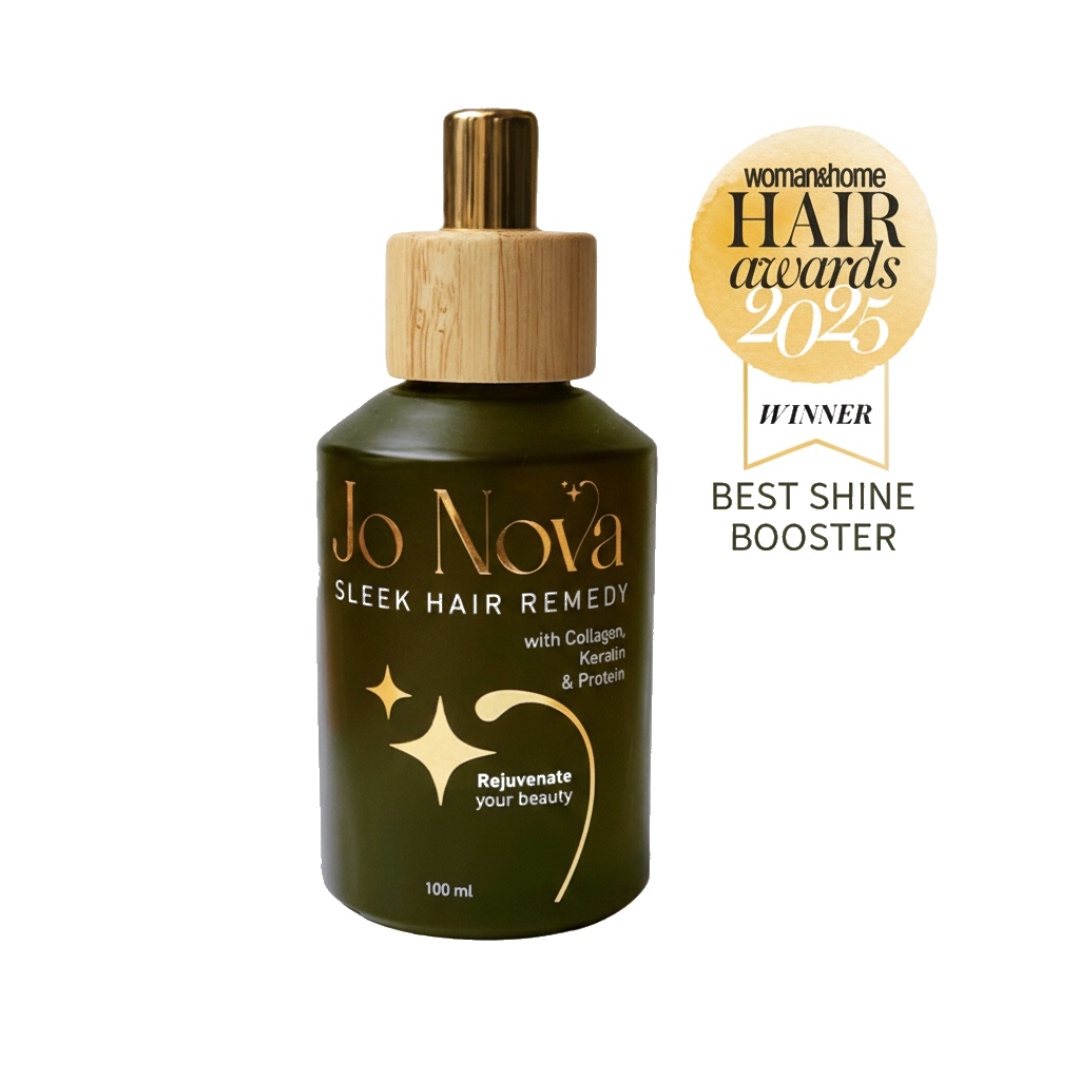
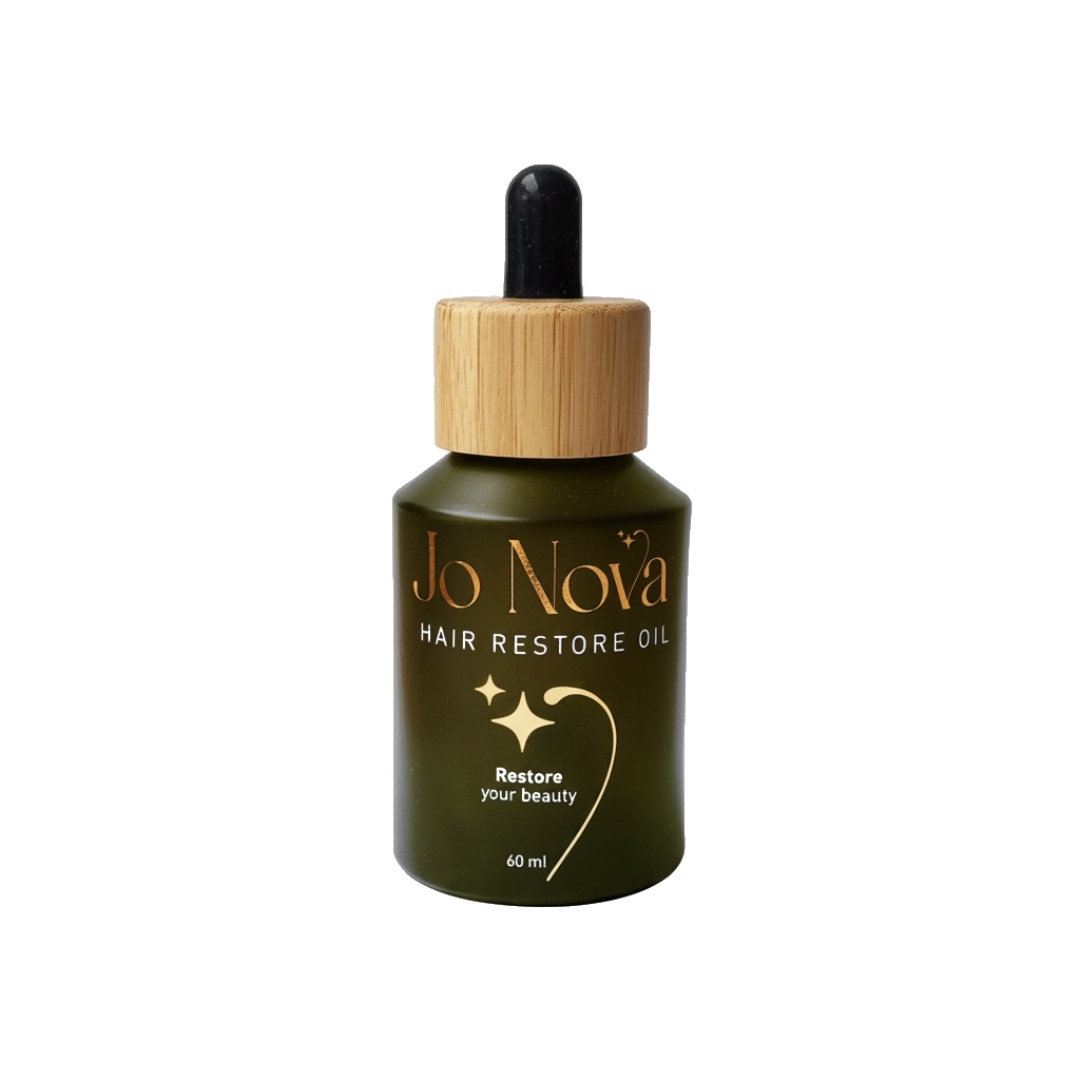
So I, alongside my wife Nasreen, a homeopath and herbalist, created JO NOVA: a brand built to answer one question — how do we make hair truly healthy, not just glossy for a day? This led me to blend my years of salon intuition with my family’s heritage, Nasreen’s expertise in natural healing, and cosmetic science to find ingredients that work with the hair, not against it.
Before we could look for the right ingredients, we needed to go back to the basics and understand how hair actually functions and what it is made from —and this is what I’m sharing with you today, starting with two crucial components: keratin and collagen.
The way I explain it to my clients is simple: keratin rebuilds, collagen replenishes. These two components underpin everything.
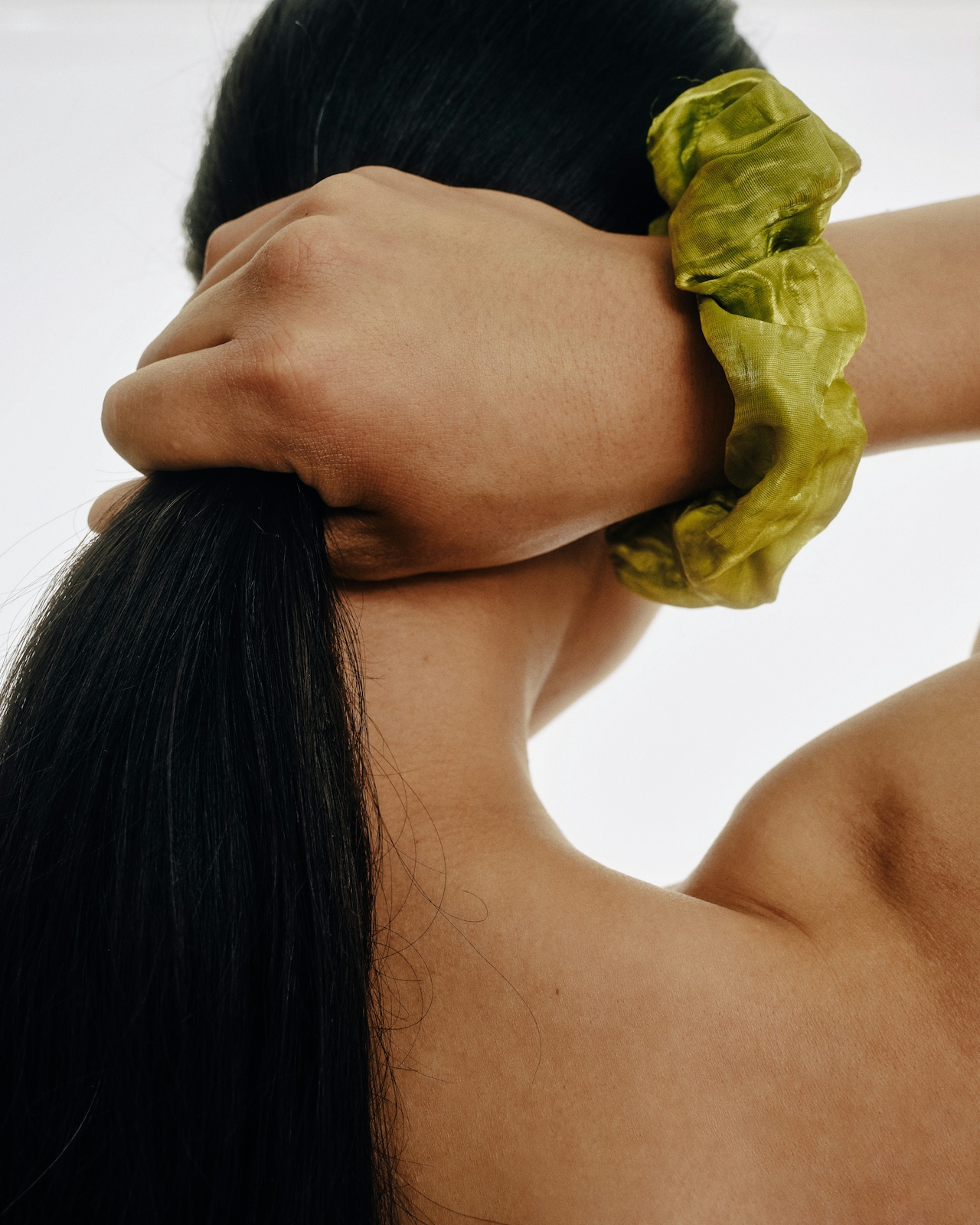
Keratin Rebuilds
Keratin is the primary structural protein of the hair, making up around 65–95% of its total structure depending on hair type, health and environmental exposure. It’s formed from long chains of amino acids — mainly cysteine, which contains sulphur. These sulphur bonds lock together into strong disulfide bridges that give hair its shape, durability and ability to withstand tension.
Keratin isn’t unique to hair it is also found in skin, nails, lashes and eyebrows, and even the outer layer of our internal organs. While the body produces keratin naturally, once the keratin inside a hair strand is damaged, the body can't repair it directly, which is why topical treatments and reinforcing products are essential.
Everyday factors such as colouring, heat styling, UV, pollution and friction break down keratin bonds over time, leaving hair weaker, more porous and more fragile.Rebuilding those keratin structures is key to restoring strength, resilience and shape.
Collagen Replenishes
Collagen is another essential protein found throughout the body. It helps hair retain moisture and flexibility and is the most abundant protein in the human body, making up around 30% of total protein content. Found in skin, bones, joints, and the scalp. Where keratin provides strength, collagen provides hydration, softness and elasticity. Its triple-helix fibres help hair retain moisture and keep the follicle environment healthy.
In haircare, collagen binds water, improves moisture retention and enhances suppleness. It also contains amino acids (notably proline) that the body uses as a building block to support healthy support keratin formation at the root. Around each follicle, collagen acts like a cushion, helping maintain a healthy environment for stronger more flexible growth.
Our natural collagen production levels begin to decline with age, typically starting in the mid-20s. It also reduces after certain life events and conditions — stress, pregnancy, postpartum, and menopause — as well as from UV exposure and environmental factors. As collagen decreases, hair can feel drier, finer and less resilient. This is where external replenishment becomes especially beneficial.
Why Keratin And Collagen Matter Together
Together, keratin and collagen support both the internal structure and the outer surface of the hair. So if a haircare brand is taking cues from the biology of the body you’ll often see included refined forms of both keratin and collagen in the ingredients list, helping to strengthen from within while smoothing from the outside. When combined, these proteins reinforce weak areas, hydrate the cuticle, enhance shine and improve manageability. Healthy hair feels it and shows it.
Look For Hydrolysed Forms
For these ingredients to work effectively together, it’s important to look for the right forms. Keratin and collagen are large proteins in their natural state which means they cannot penetrate the hair shaft unless they are hydrolysed. Hydrolysis breaks them into smaller fragments that can travel further into the cuticle, so hydrolysed keratin bonds weak or damaged areas and genuinely rebuilds strength, while hydrolysed collagen boosts moisture retention, elasticity and suppleness rather than simply coating the hair.
As natural production of these proteins gradually slows whether through age, hormonal shifts, stress or lifestyle supporting the hair externally helps counter dryness, breakage and loss of fullness. Products enriched with hydrolysed keratin and collagen help replenish what the body is no longer producing at the same level, supporting resilience, shine and overall vitality.
A Routine That Works For You
Incorporating both keratin and collagen into your routine means supporting the hair’s core structure (inner strength) and its surface (outer smoothness), buildingcumulative, long-term strength, shine and resilience. And remember healthy hair isn’t achieved with a one-off treatment; it’s cared for daily, the way we care for skin.
Just try it and see the difference.