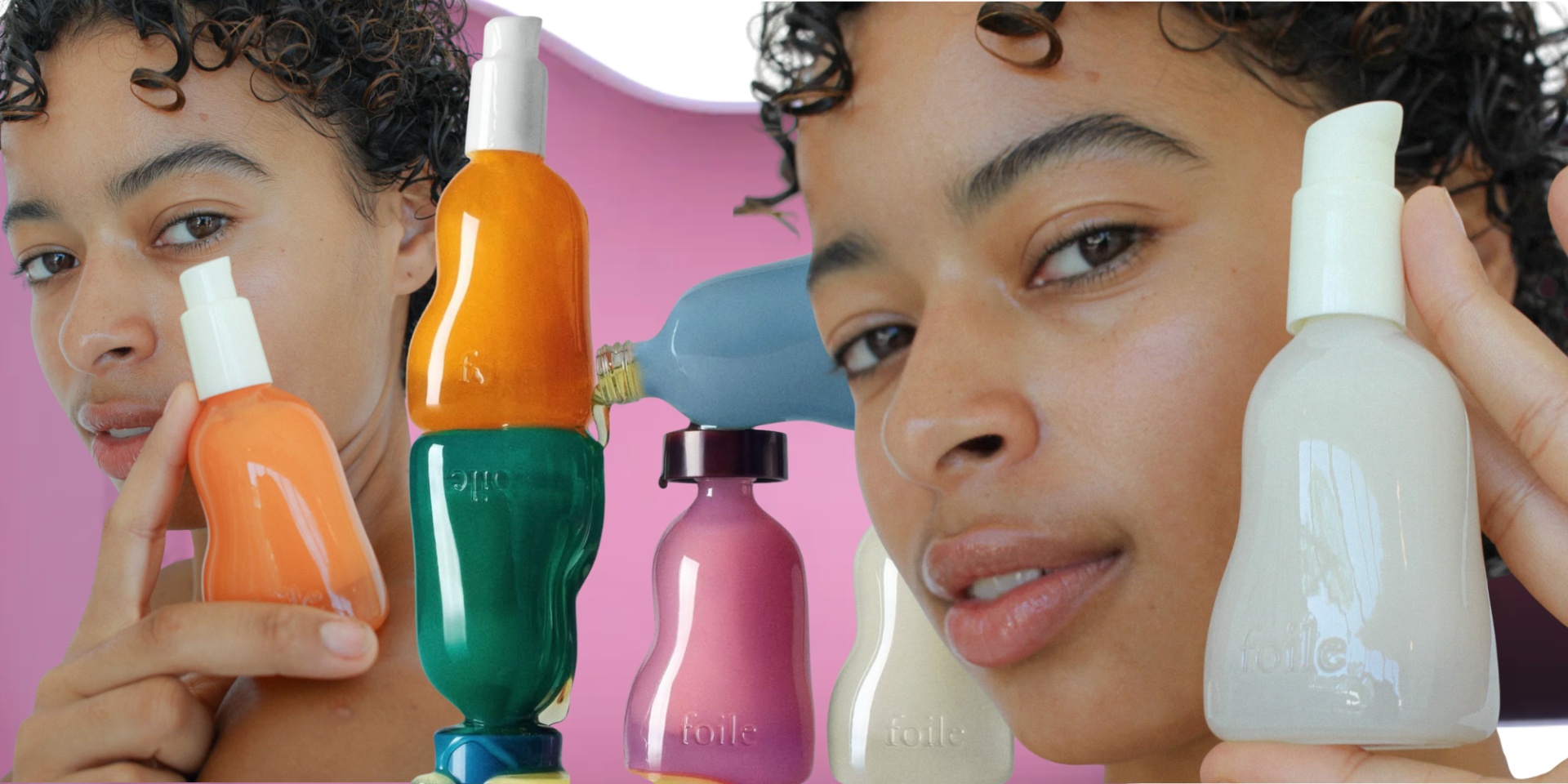
Bioactive Ingredients Are Booming, But Why?
From kelp to mushrooms, plant-based actives are redefining how we care for our skin. Suzanne and Alexandra of Foile unpack the science and the simplicity behind this next chapter of skincare.
.webp)


Our relationship with skincare is evolving. Rather than following strict step-by-step routines, many are beginning to explore what truly works for their skin. This approach is less about perfecting every step and more about tuning in, noticing what the skin needs, and responding with care.
At the heart of this shift is a growing recognition that skincare should work with the skin, not against it. Skin is intelligent; it protects, heals and renews itself daily. Overloading it with too many products or harsh actives can disrupt its natural rhythm. Yet simplicity doesn’t mean compromise. It means giving the skin what it genuinely needs and enhancing its natural processes rather than forcing change.
This philosophy has given rise to what we call bioactive ingredients: compounds found in foods, plants and the natural world. These compounds interact with cells and tissues to modulate physiological functions, support resilience and promote overall well-being. In skincare, bioactive ingredients may support processes such as antioxidant defence, collagen synthesis, hydration, barrier repair and inflammatory modulation. These bioactives work in harmony with the skin, supporting its natural functions.
Take bladderwrack kelp, a nutrient-rich seaweed that helps strengthen the skin’s barrier, lock in hydration and protect against environmental stressors like pollution and UV exposure. Its natural minerals and antioxidants support resilience in a way synthetic hydrators cannot replicate. Or Shiitake mushroom, which delivers powerful antioxidant and anti-inflammatory benefits, helping calm redness, support collagen synthesis and defend against environmental stressors. Its unique fungal polysaccharides offer a gentler alternative for many skin types than synthetic actives. Even Rosella hibiscus, packed with antioxidants and gentle acids, helps brighten the complexion. Unlike synthetic alternatives, these bioactive compounds work gently yet effectively, promoting healthy, radiant skin without the irritation many experience from synthetic compounds.
.png)
Within this sector you’ll also find adaptogenic botanicals like Tremella fuciformis (also known as snow mushroom), ginkgo biloba and Centella asiatica (gotu kola). These help the skin respond to stress, provide antioxidants to help fight inflammation and offer humectants like hyaluronic acid, which attracts and locks in moisture. These ingredients are effective not because they overpower the skin, but because they communicate with it, helping maintain balance, resilience and vitality.
Within this approach, science and mindfulness intersect. By paring back to fewer, high-impact ingredients, skincare routines can become more intentional. The act of caring for your skin becomes a ritual, a moment of pause in a busy day and a small way to reconnect with yourself. Listening to your skin also encourages adaptability. Rather than chasing perfection, this mindset cultivates awareness: noticing how your skin reacts to stress, sleep or environment; learning which textures, oils and formulations support your natural balance; and trusting the skin to signal what it needs. It’s a subtle, ongoing conversation that fosters confidence and understanding.
The principles of simplicity, mindfulness and choosing ingredients that are as close to nature as possible are increasingly influencing consumer choices. Fewer products, thoughtfully formulated and packaged in refillable or recyclable containers, encourage more deliberate consumption, making skincare effective, enjoyable and responsible all at once.
Ultimately, the future of skincare is personal, adaptive and intuitive. It’s not about investing in the latest heavily marketed serum, but in creating a routine that feels natural, fluid and responsive — a set of practices that nurture both the skin and the self. By embracing simplicity, bioactive ingredients and mindfulness, we can approach skincare not as a prescription but as an opportunity to support the body and reconnect with our own rhythm. Skincare doesn’t need to be complicated to be transformative. Listening to your skin, understanding its signals and responding with care may be the most effective and empowering approach of all.