Longevity Architecture: Designing Social Spaces For A New Era of Wellbeing
From bio-hacked bedrooms to high-energy hubs, Long Lane is already one of the most talked-about launches of 2026. Co-founder Loui Blake reveals how longevity architecture is changing hospitality.
Wellbeing has become one of the defining cultural shifts of our time. Not the trend-driven wellness of spa days and green juices, but a deeper recognition that the environments we spend our lives in are shaping our health far more than we realise.
For some people this awareness came slowly. For me, it hit like a wall.
A few years ago, I was running at a pace my body simply couldn’t keep up with. On the outside the businesses were growing and the opportunities were exciting, but behind the scenes my health was collapsing. I was dealing with mould exposure, heavy metals, parasites and chronic exhaustion — all triggered and amplified by the very environments I was working in. Restaurants, offices, event spaces… places designed for noise, speed, output. None of them were designed for recovery or regulation.
Stepping back from that life, I began to understand something that feels obvious in hindsight: the spaces we inhabit are not neutral. They imprint on us. They either pull us into imbalance or bring us back to centre.
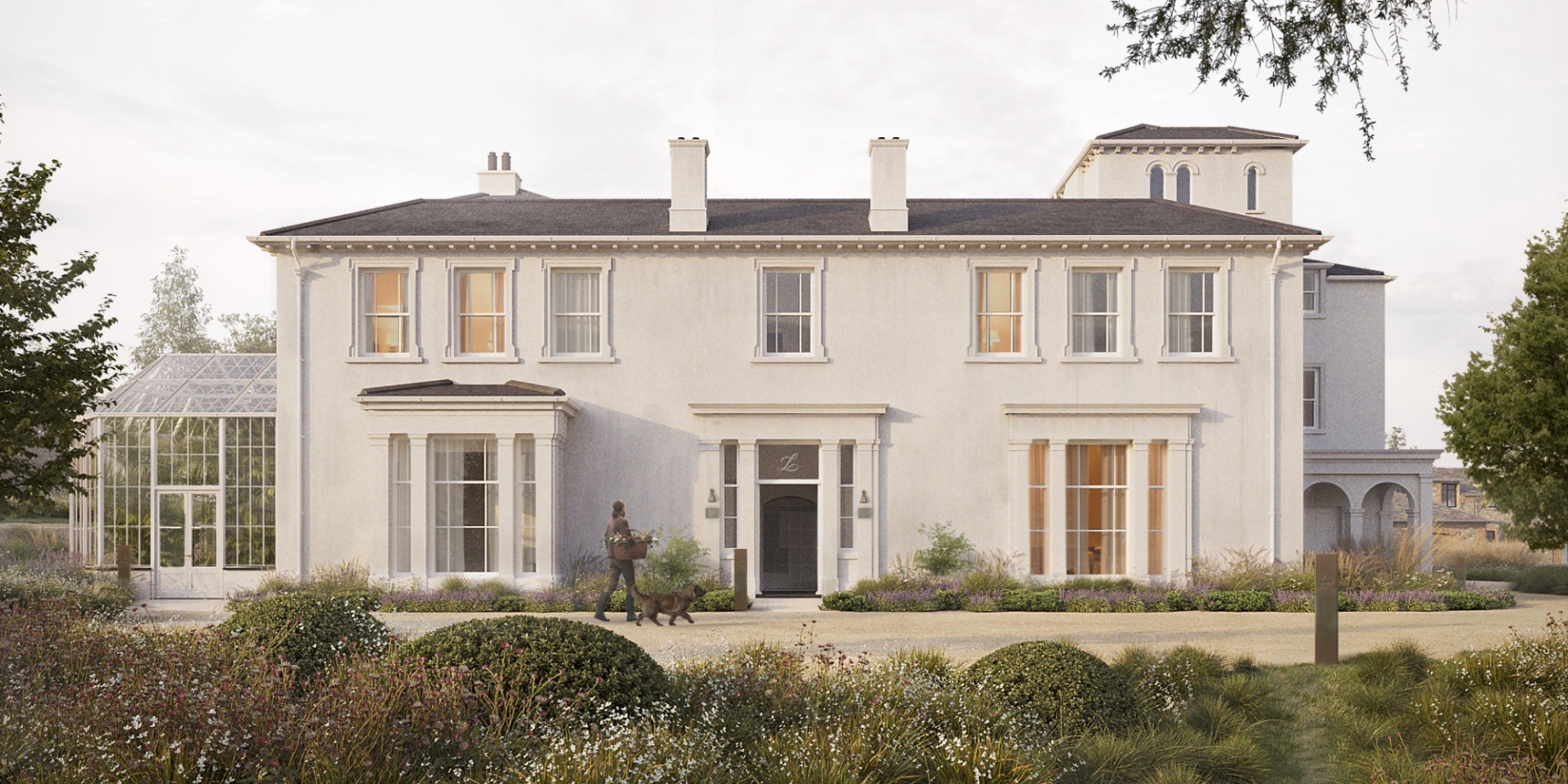
That realisation planted the seed for a different kind of hospitality — one where wellbeing wasn’t a bolt-on, but the blueprint. When I shared these thoughts with my lifelong friend, Harrison Hide, something clicked immediately. He’d been exploring similar questions. What if the places we socialise in actually helped us live better? What if community could be designed as a tool for longevity? Those conversations became Long Lane: a wellness-first private members club and hotel opening summer 2026, set within 55 acres of woodland in the South Downs. At the time we didn’t have the language for it, but looking back, we were unknowingly developing something we now call longevity architecture.
Longevity architecture is not just about buildings. It’s about the behaviours and biological responses that spaces create. It’s how architecture, nature, design and community can work together to support long-term health. At Long Lane, that philosophy guides every detail.
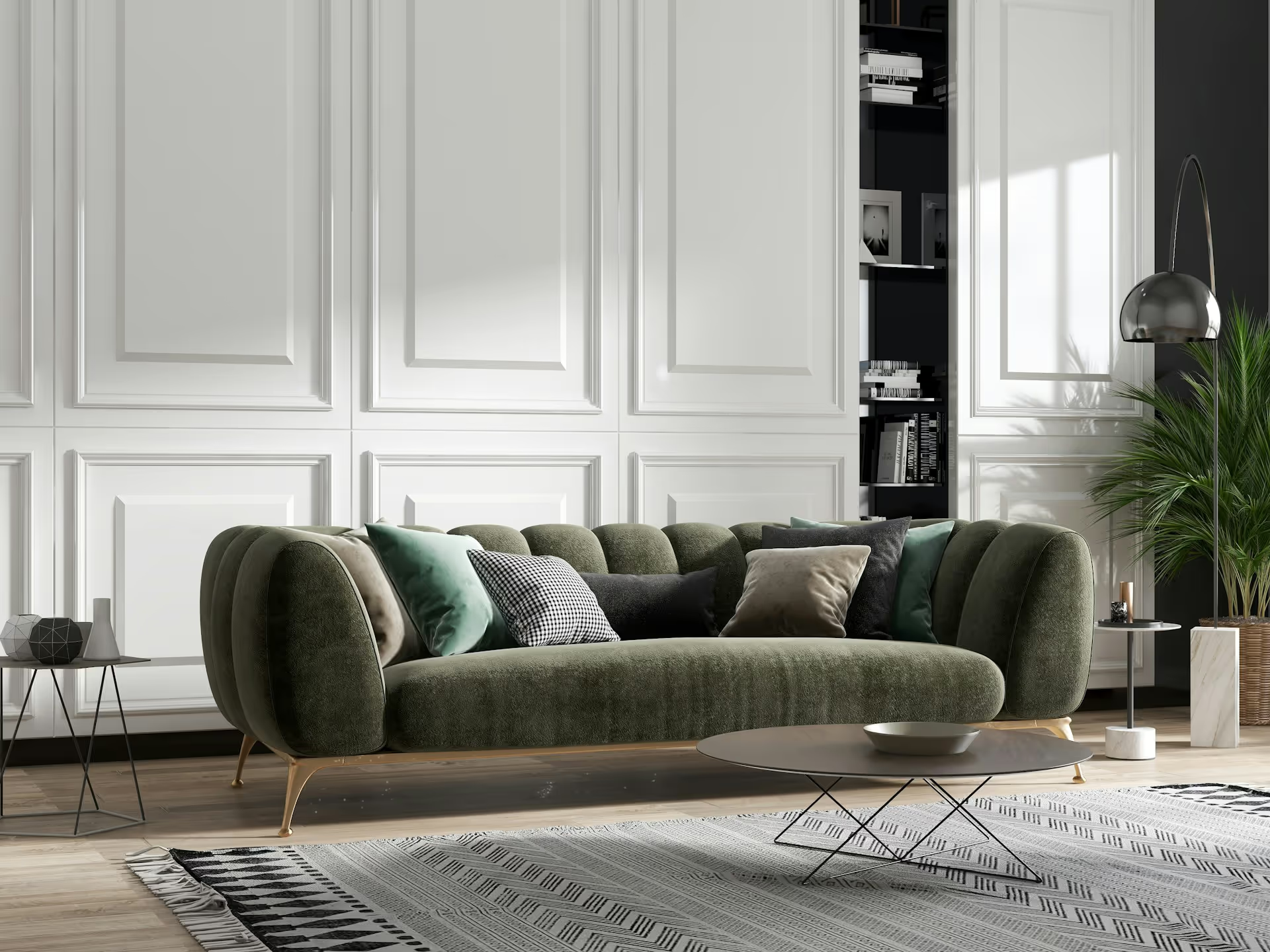
Our bio-hacked bedrooms — with EightSleep mattresses, air filtration, organic materials, circadian lighting and red-light panels — redefine rest as a foundation for performance and resilience. The forest cabins are built into the woodland to bring people back into natural rhythms again. Our interiors, created with Szczepaniak Teh, use materials and textures that regulate the nervous system. Toxin-free design was non-negotiable for us, especially after my own experience with environmental illness. And across the land, the architecture quietly leads people into healthier patterns: slower mornings, deeper breaths, stronger connections, more presence.
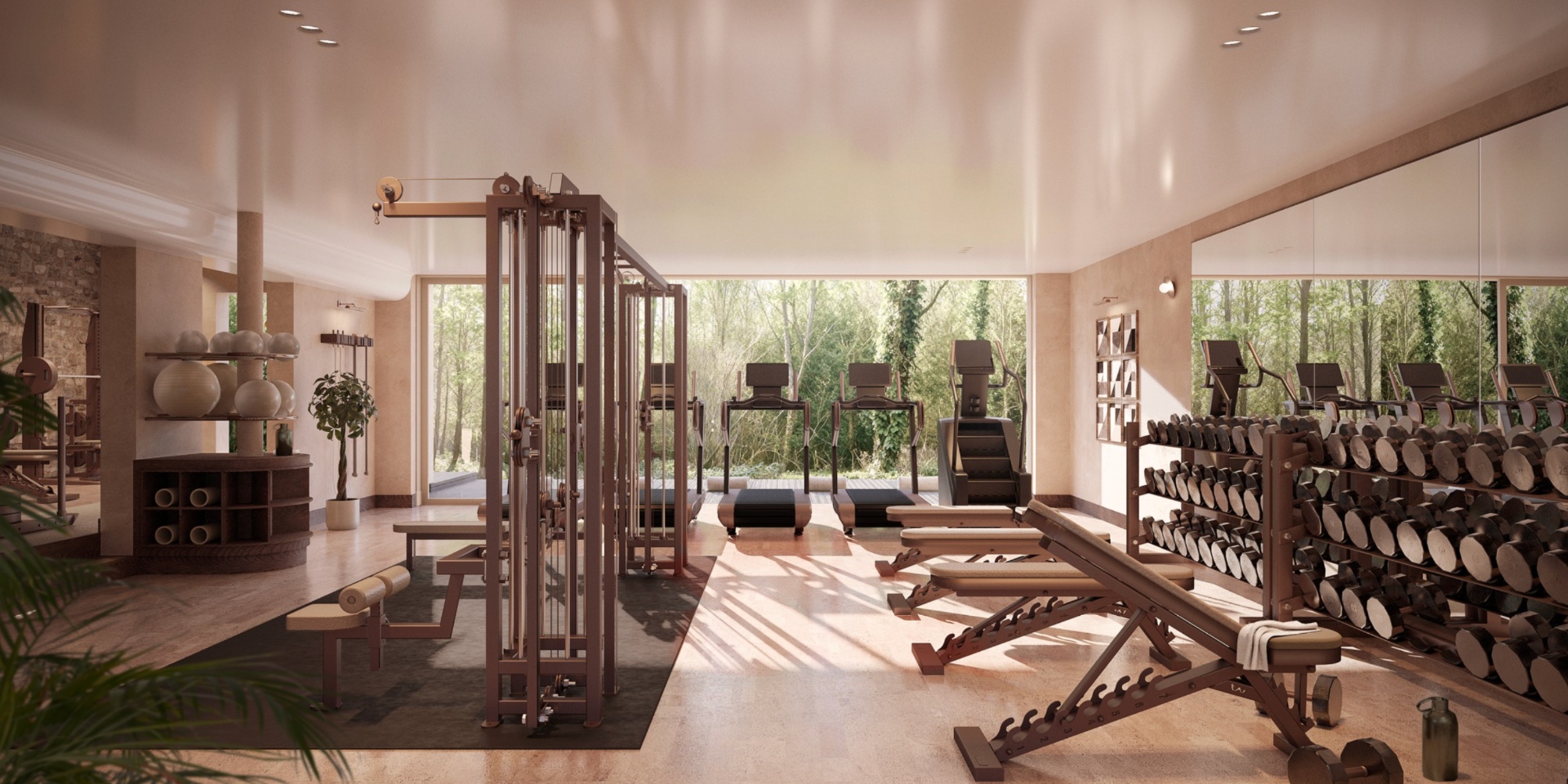
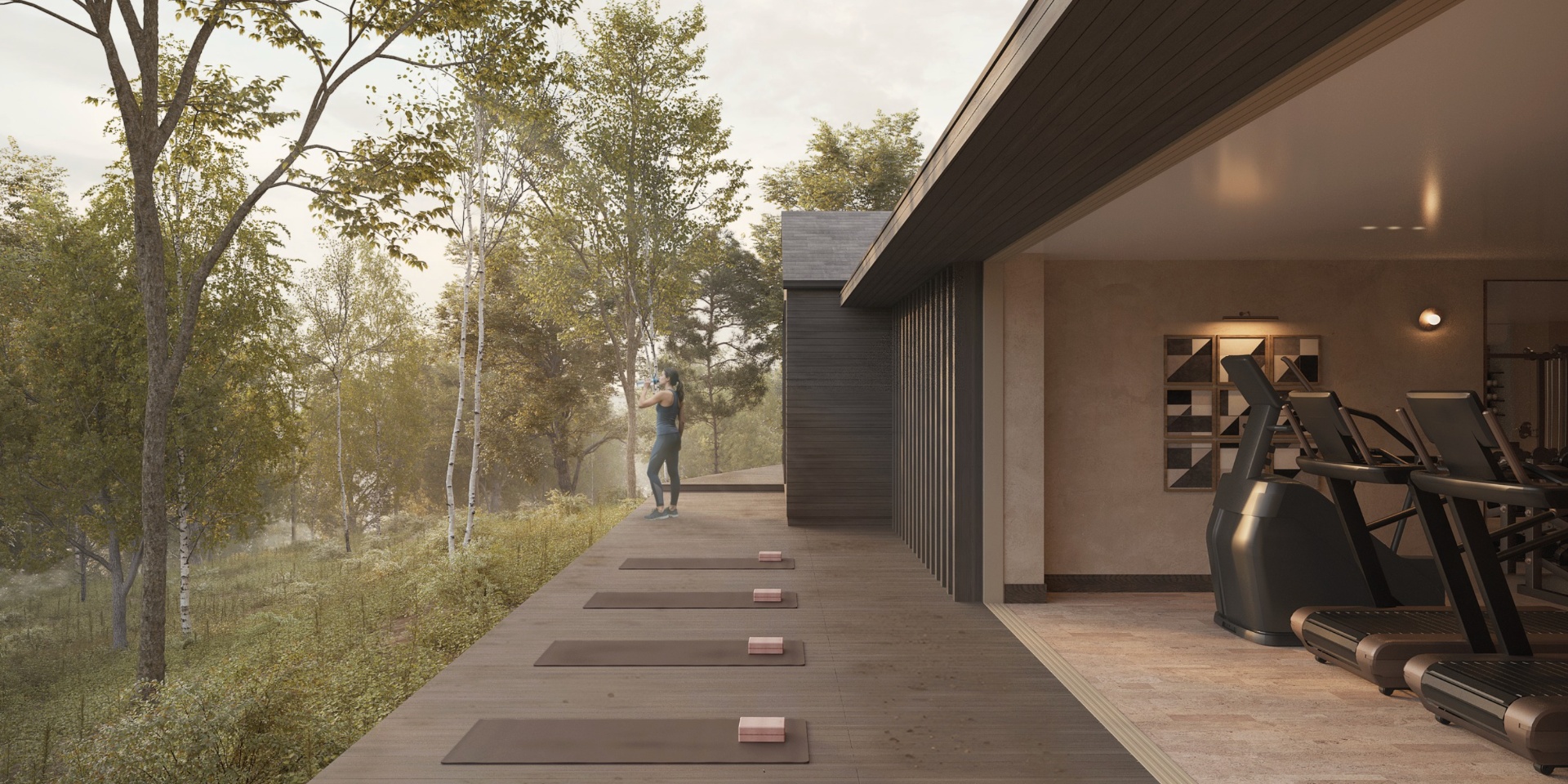
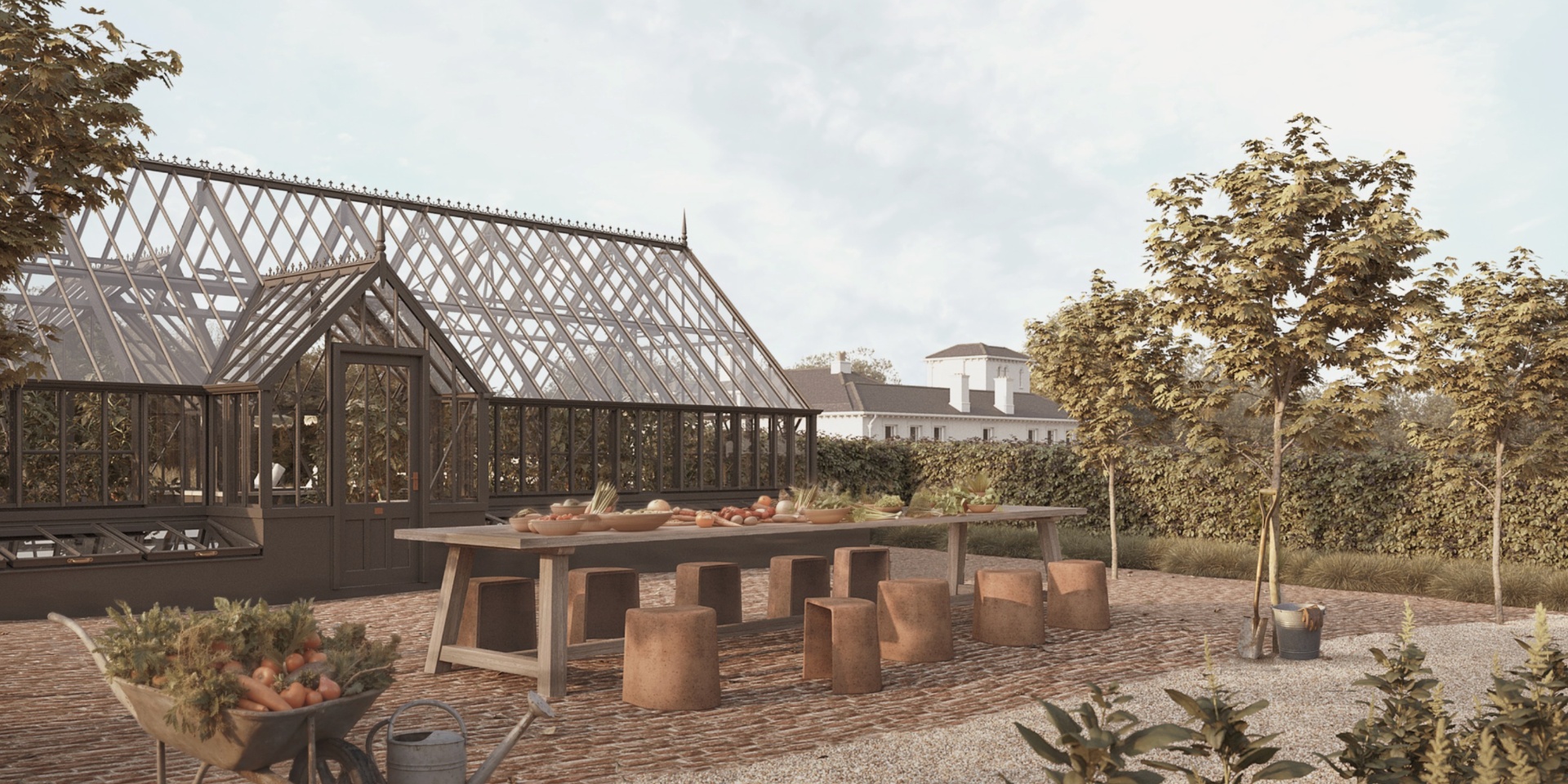
But longevity architecture also means pairing ancient wisdom with modern science. The Coach House, our high-energy hub, will offer hyperbaric oxygen therapy, cryotherapy, IV therapy and a performance gym overlooking the trees. The Farm will host forest treatment pods, natural swimming, manual therapies, cold plunges, woodland bathing and rituals that anchor people back into their bodies and the land. These are tools for transformation, built into the fabric of the place.
Food is another key part of longevity architecture. We’re creating the world’s first Precision Nutrition Restaurant, where biometric data shapes personalised menus built from regenerative, seasonal ingredients. Alongside this sits a supplement bar and a herbal distillery run with Farmacy London — it’s nourishment designed for both joy and cellular health.
Then there’s the most important element: community. So many social spaces rely on alcohol as the glue that holds people together. We want to change that model entirely. Long Lane is built around shared experiences: sound healing in the woods, talks with leading thinkers, visiting practitioners, movement classes, art, retreats, music, fire circles. Spaces that invite presence. Spaces that make meaningful connection feel natural again.
Members will also begin their journey with DNA and methylation testing to build a personalised roadmap, supported by our app. Not to create hierarchy, but to give people the information they need to live with agency.
Our aim is to create a place where people can rest, grow, connect and recalibrate. A place that shows what social spaces could be when health is the starting point, not the afterthought. With Long Lane, we want to set a new precedent, to show that social spaces can actively benefit human health. That architecture can calm the nervous system. That community can be a longevity tool. That we don’t have to choose between connection and wellbeing.
Even though we don’t open until 2026, the response has been extraordinary. It’s clear people are craving a new model rooted in nature, science and meaning. This is the space we wish existed — the one we needed. At its core, longevity architecture is about designing spaces that are symbiotic with human health. And we believe this is the future.
Follow Long Lane on Instagram to keep up to data with their launch.



.png)
.png)