
Most people only think about their pelvic floor when something goes wrong. There is so little awareness, almost no open conversation, and very few accessible tools that help us understand this part of our anatomy. Research shows that one in three women experience pelvic floor issues, yet most have never received proper education about it.
Pelvic floor issues can show up as bladder leaks, constipation, back pain, pelvic heaviness or pain during sex. Because these muscles are closely connected to our core, breathing and sexual wellbeing, their impact often extends far beyond a single symptom. Despite playing such an important role in everyday health, many of us have never been taught what the pelvic floor does or how to support it. Pelvic health shouldn't only enter the conversation when there is a problem to solve. It is about understanding our bodies, building awareness and taking a more proactive approach to our wellbeing.
The pelvic floor is a hammock-like group of muscles stretching across the base of the pelvis, supporting the bladder, bowel and uterus. These muscles tighten and relax to help control urination, bowel movements, sexual function and core stability. Like any muscle group, they can weaken, become overly tense or lose coordination over time. Certain life stages, including pregnancy and menopause, can place additional strain on them, but more and more experts are encouraging us to think about pelvic health throughout life, not only when there is a recognised risk factor or problem to address.
As an intimate wellness brand, pelvic health comes up in our conversations naturally. Not just because pleasure can support the pelvic floor through the contractions that happen during orgasm, but because pelvic health is woven into so many parts of life: motherhood, perimenopause, menopause, discomfort during sex. It all circles back to the same place.
I always say my job is to demystify intimate wellness, pelvic health included, which often gets a raised eyebrow, as if it's supposed to be scandalous. But pleasure and sexual wellness are very much part of our key everyday health signals. Pelvic health is part of whole-body health, something to tune into throughout life, not only during specific chapters. Anyone can experience pelvic floor challenges because these muscles are involved in some of our most essential daily functions.
What surprised me most when speaking to experts was learning that the pelvic floor works in coordination with the diaphragm and deep abdominal muscles as part of our core support system, meaning pelvic health can influence everything from movement and posture to breathing and sexual wellbeing. Being aware of it unlocks confidence and self-advocacy. Once you have the knowledge, you move through life differently. You can recognise what is normal for your body, identify changes sooner and feel more confident speaking to healthcare professionals when something does not feel right. Understanding our anatomy gives us the language to advocate for ourselves.
Unfortunately, women's health has historically been underfunded and under-researched, and pelvic health is part of that broader gap. Many pelvic floor symptoms show up as pain, discomfort or inconvenience, and there is a well-documented tendency for women's pain to be dismissed or normalised. If something is framed as "just part of being a woman", whether that is leaking after childbirth or discomfort during sex, it is easy to accept it rather than question it. But common does not necessarily mean normal, and it certainly does not mean something we simply have to live with.
Shame has played a role too. For generations, we have been taught to talk about our anatomy in whispers. Many people can confidently name parts of the male anatomy yet still use vulva and vagina interchangeably. The pelvic floor sits within the same culture of silence. Thankfully, that is beginning to change. Social media has created space for pelvic health experts, educators and everyday people to share their experiences openly, helping others feel less alone and more informed.
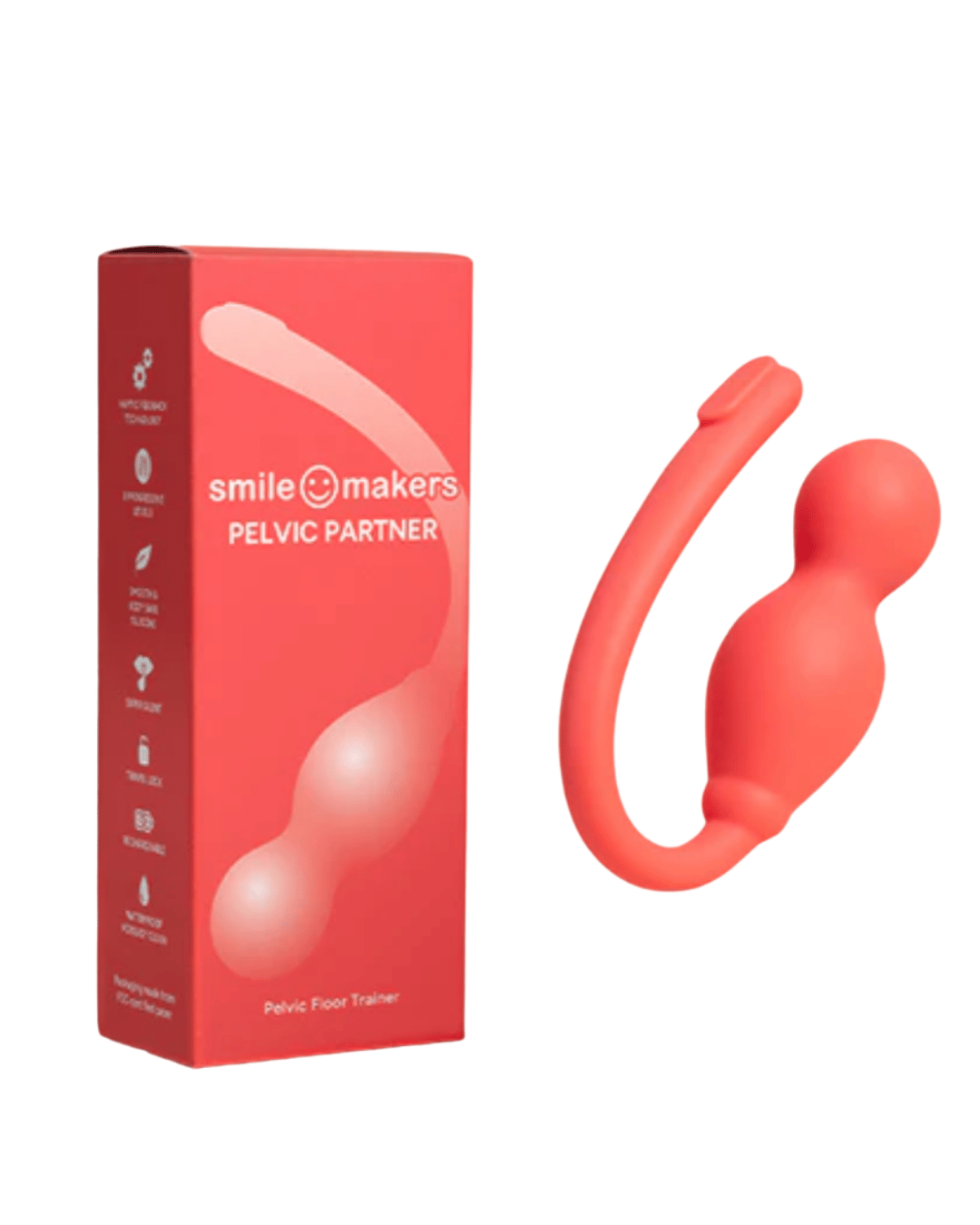
So, we launched a pelvic health tool, the Pelvic Partner, to do for pelvic health what we’ve done for pleasure: bring it into the light, make it approachable, and shift the focus from fixing issues after they appear to proactively caring for this essential part of our wellbeing. The goal isn't perfection or another wellness habit to optimise. It's simply building familiarity with a part of our anatomy that most of us were never taught about in the first place.
Building awareness is the first step. Simply understanding what the pelvic floor is and paying attention to how it feels can support pelvic health over time. Learning how to gently engage and fully relax the muscles is equally important. Pelvic floor exercises can be beneficial when performed correctly, but strengthening is not always the answer: some pelvic floors need relaxation and coordination rather than more tension. Listening to your body and seeking guidance from a pelvic floor therapist when something feels uncomfortable is always a good place to start.
As society becomes increasingly focused on longevity, I think it's important that we find simple ways to invest in our long-term wellbeing. It's not just about living longer; it's about living well for longer. The more we understand our bodies, the more equipped we are to care for them, advocate for them and enjoy life without unnecessary discomfort. It is time to stop whispering about our bodies and start understanding them instead.